


 English
 русский
 日本語
日本語 한국어
한국어 中文简体
中文简体

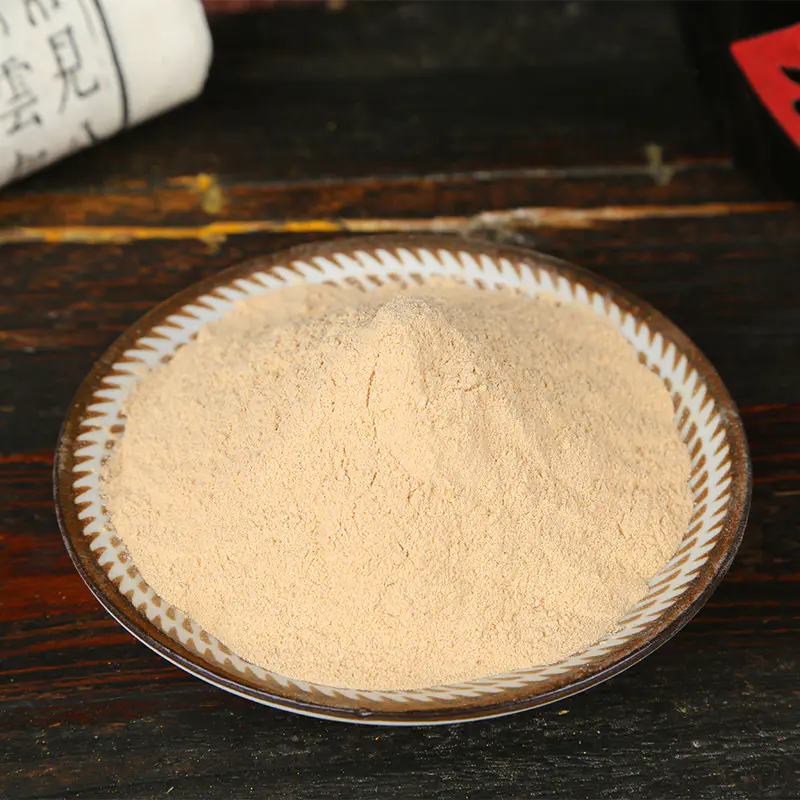

How is freeze-drying technology applied to broccoli processing?
In the modern food industry, Freeze Dried Broccoli has become a popular choice for consumers seeking nutrient-rich, long-lasting vegetables. The freeze-drying process preserves the natural color, flavor, and nutritional value of broccoli, making it a preferred method over traditional drying techniques. Understanding how freeze drying is applied to broccoli helps consumers and producers appreciate the benefits and efficiency of this technology.
What is Freeze Drying?
Freeze drying, also known as lyophilization, is a dehydration process in which water is removed from food while it remains frozen. The process involves three key stages:
- Freezing: Fresh broccoli is rapidly frozen to preserve its cellular structure and nutrients.
- Sublimation: Under a vacuum, ice in the frozen broccoli turns directly into vapor without passing through the liquid phase.
- Secondary Drying: Remaining moisture is removed by gently heating, ensuring the broccoli is completely dry but retains its original shape and color.
This method contrasts sharply with traditional drying techniques, such as hot air drying or sun drying, which often result in significant nutrient loss, discoloration, and shrinkage.
Benefits of Freeze Dried Broccoli
Freeze Dried Broccoli retains most of its vitamins, minerals, and antioxidants. Unlike canned or conventionally dried broccoli, it preserves:
- Vitamin C: Highly sensitive to heat, vitamin C is largely retained during freeze drying.
- Flavonoids and Phytonutrients: Key antioxidants that support health remain intact.
- Texture and Flavor: Freeze drying maintains the natural crunchiness and fresh taste.
Moreover, the shelf life of freeze-dried broccoli extends to 1–2 years under proper storage conditions, compared to just a few months for fresh or refrigerated broccoli.
Application Process of Freeze Drying in Broccoli
The application of freeze drying in broccoli processing involves several meticulous steps:
1. Selection and Pre-Treatment
High-quality broccoli is chosen for uniform size and freshness. Pre-treatment can include blanching, which helps deactivate enzymes that may degrade color or nutrients during drying. Some producers also use antioxidant dips to enhance color retention.
2. Freezing
Broccoli florets are frozen rapidly at temperatures typically below -40°C. Rapid freezing ensures ice crystals remain small, preventing cellular damage and preserving texture.
3. Primary Drying (Sublimation)
Frozen broccoli is placed in a vacuum chamber. Under reduced pressure, ice sublimates directly into water vapor. This stage removes about 95% of moisture without applying heat, which protects delicate nutrients.
4. Secondary Drying
Residual moisture is removed at slightly higher temperatures. This ensures that freeze-dried broccoli reaches a stable moisture content of 2–4%, minimizing the risk of spoilage.
5. Packaging
Freeze-dried broccoli is highly sensitive to moisture. Packaging in airtight, moisture-proof bags or containers preserves the crispness and prevents rehydration until use.
Comparison with Other Drying Methods
| Feature | Freeze Drying | Hot Air Drying | Spray Drying |
|---|---|---|---|
| Nutrient Retention | High (over 90%) | Moderate (50–70%) | Low to moderate (40–60%) |
| Texture | Crisp and natural | Shrunken and tough | Powdered |
| Flavor | Fresh and natural | Altered due to heat | Significantly altered |
| Shelf Life | 1–2 years | 6–12 months | 1–2 years |
The comparison highlights why Freeze Dried Broccoli is favored for high-quality food products. It maintains the closest resemblance to fresh broccoli in both taste and nutritional value.
Applications of Freeze Dried Broccoli
Freeze-dried broccoli is widely used in various food products:
- Instant Soups and Meals: Adds fresh vegetable taste without refrigeration.
- Snack Foods: Crispy freeze-dried broccoli is consumed directly as a healthy snack.
- Baby Food: Nutrient preservation makes it ideal for sensitive diets.
- Food Service and Catering: Convenient for long-term storage and quick rehydration.
Challenges in Freeze Drying Broccoli
Despite its advantages, freeze drying has certain challenges:
- High Energy Costs: The process requires significant electricity for freezing and vacuum maintenance.
- Time-Consuming: A complete freeze-drying cycle can take 20–40 hours.
- Fragility: Freeze-dried broccoli is lightweight and can break easily during transport.
FAQ About Freeze Dried Broccoli
Q1: Can freeze-dried broccoli be eaten without rehydration?
Yes, it can be consumed directly as a crispy snack or added to cereals, soups, and trail mixes.
Q2: How long does freeze-dried broccoli last?
Properly stored in airtight, moisture-proof packaging, it can last 1–2 years at room temperature.
Q3: Does freeze drying affect the nutritional value?
Freeze drying preserves most nutrients, including vitamin C, fiber, and antioxidants, much better than traditional drying methods.
Q4: How is freeze-dried broccoli rehydrated?
Simply soak in water or add to soups and stews. It regains much of its original texture and flavor.
Q5: Is freeze-dried broccoli more expensive than fresh broccoli?
Yes, due to energy-intensive processing and longer production time, but the extended shelf life and nutrient retention justify the cost for many applications.
Conclusion
The application of freeze drying technology in broccoli processing has revolutionized the way this vegetable is preserved and consumed. Freeze Dried Broccoli maintains its original nutritional value, flavor, and texture, offering a convenient, long-lasting alternative to fresh and canned broccoli. While the process is energy-intensive and time-consuming, its advantages in nutrient retention, shelf life, and versatility make it an invaluable method in modern food processing.
prevNo previous article
nextWhat is freeze-dried broccoli, and how does it differ from regular dehydrated broccoli?

News Category
- Company News(1)
- Industry News(83)
Popular products

Food preserved with the essence of nature.

ADDRESS: Industrial Park, Xingdong Town, Xinghua City, Jiangsu, China
- TEL: +86-523-83896988
- PHONE: +86-18710858773
- fax: +86-523-83898211
Copyright © 2024Xinghua Maosheng Food Co., Ltd. All Rights Reserved. Dehydrated Vegetables, Freeze Dried Fruits, And Spices Supplier
