


 English
 русский
 日本語
日本語 한국어
한국어 中文简体
中文简体

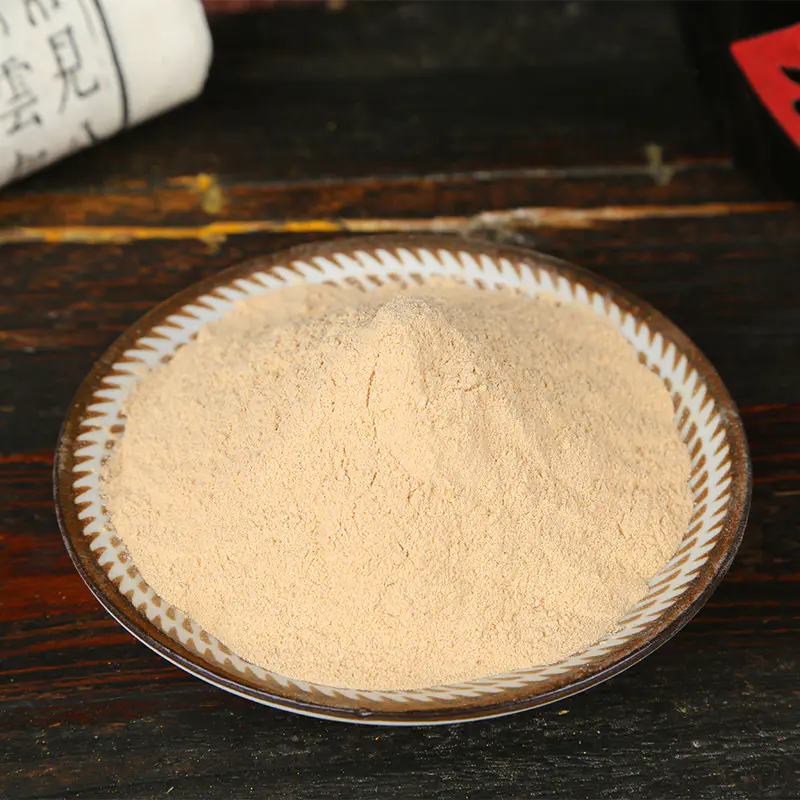

What's the Best Way to Store Dehydrated Vegetables Long-Term?
Dehydrated vegetables are a practical solution for preserving garden harvests, creating emergency food supplies, and reducing food waste. Their long-term viability, however, is entirely dependent on proper storage techniques. Inappropriate storage can lead to nutrient degradation, loss of flavor, and spoilage.
The Principle: Guarding Against the Enemies of Storage
The primary factors that degrade dehydrated vegetables are moisture, light, oxygen, and heat. The goal of long-term storage is to create a barrier against these elements. Successful storage hinges on three pillars: proper preparation, appropriate packaging, and optimal environmental conditions.
1. Preparation: The Critical First Step
Before storage, ensure the Dehydrated Vegetables are adequately processed.
Complete Dehydration: Vegetables must be thoroughly and uniformly dried. They should be brittle or leathery, with no detectable moisture in the center. Any residual moisture can lead to mold growth and spoilage, compromising the entire batch.
Conditioning: After dehydrating, place the cooled vegetables in a large, open container for a week. Stir or shake them daily. This process helps equalize any remaining moisture among the pieces. If condensation appears inside the container, the vegetables require further dehydration.
Cooling: Ensure the vegetables are completely cool to room temperature before packaging. Packaging warm vegetables will create steam and introduce moisture into the storage container.
2. Packaging: Creating an Airtight Barrier
The choice of packaging is crucial for removing and preventing exposure to oxygen.
Oxygen Absorbers: The most effective method for long-term storage is pairing oxygen absorbers with airtight containers. Oxygen absorbers are safe, food-grade packets that chemically remove oxygen from a sealed environment. This significantly slows oxidation, which causes rancidity and nutrient loss.
Airtight Containers: Suitable options include:
Mylar Bags: These are impermeable to light and oxygen. When used with oxygen absorbers and heat-sealed, they provide an excellent barrier.
Food-Grade Plastic Buckets with Gamma Seals: These lids create a reliable, airtight closure and are useful for bulk storage.
Glass Jars with Mason Lids: Glass is impermeable but must be stored in the dark to protect against light.
Vacuum Sealing: While effective at removing air, vacuum sealing alone may not protect against oxygen permeation over many years. For the longest shelf life, combine vacuum sealing with oxygen absorbers.
3. Storage Environment: The Final Layer of Protection
Where you store your packaged Dehydrated Vegetables is as important as how you package them.
Temperature: Store containers in a cool, dark place. The ideal temperature is consistently below 60°F (15°C). Higher temperatures accelerate the degradation of quality and nutrients. Avoid storing in attics or garages where temperatures fluctuate drastically.
Light: Exposure to light, especially sunlight, degrades color and vitamins. Store all containers in a dark cupboard, pantry, or inside a larger opaque container.
Humidity: While the packaging should be moisture-proof, an added layer of protection is provided by storing containers in a dry environment with low humidity.
Monitoring and Shelf Life
Even with ideal storage, it is prudent to monitor your supplies.
Rotation: Practice the "first-in, first-out" principle. Use older stocks first and replace them with newer batches.
Inspection: Periodically check containers for signs of spoilage, such as off-odors, visible moisture, or insect infestation. If using clear glass jars, look for changes in color or texture.
Expected Shelf Life: Under optimal conditions—properly dried, packaged with oxygen absorbers, and stored in a cool, dark place—most Dehydrated Vegetables can maintain their quality and nutritional value for 8 to 10 years or more.
The best way to store Dehydrated Vegetables long-term is a methodical approach that addresses all threats to their stability. By ensuring vegetables are thoroughly dried and conditioned, packaging them in oxygen-free, airtight containers, and storing them in a cool, dark, and dry environment, you can confidently build a sustainable and high-quality food reserve. This process maximizes the shelf life, flavor, and nutritional content of your Dehydrated Vegetables.

News Category
- Company News(1)
- Industry News(83)
Popular products

Food preserved with the essence of nature.

ADDRESS: Industrial Park, Xingdong Town, Xinghua City, Jiangsu, China
- TEL: +86-523-83896988
- PHONE: +86-18710858773
- fax: +86-523-83898211
Copyright © 2024Xinghua Maosheng Food Co., Ltd. All Rights Reserved. Dehydrated Vegetables, Freeze Dried Fruits, And Spices Supplier
