


 English
 русский
 日本語
日本語 한국어
한국어 中文简体
中文简体

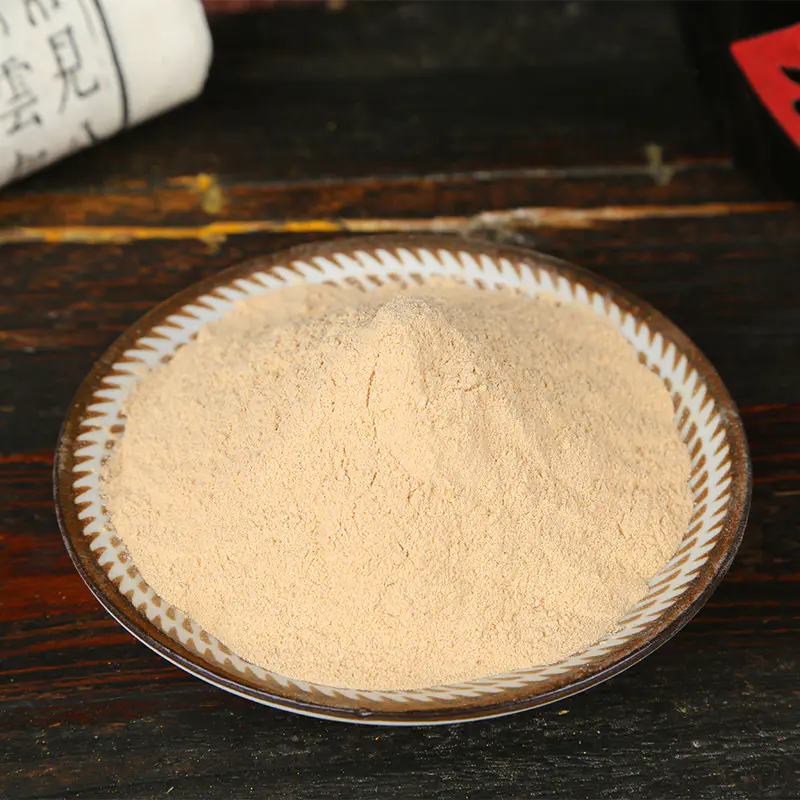

Can You Add Fruit And Vegetable Powder to Baby Food Safely?
Short Answer: Yes — with the right precautions. Adding fruit and vegetable powder to baby food can be safe and nutritionally beneficial, provided you choose high-quality, additive-free products, introduce them gradually, and consult your pediatrician. This guide walks you through everything you need to know.
As parents strive to give their babies the most nutritious start possible, fruit and vegetable powder has emerged as a popular supplement. These concentrated powders — made by freeze-drying or spray-drying real produce — promise a quick, convenient way to boost the nutrient density of purees, cereals, and homemade baby food. But are they truly safe for infants? Do they deliver real nutritional value, or are they just marketing hype?
This comprehensive guide examines the science, safety considerations, proper usage, and practical tips for parents who want to use fruit and vegetable powder in their baby's diet wisely.
- 1 What Is Fruit And Vegetable Powder?
- 2 Is Fruit And Vegetable Powder Safe for Babies?
- 3 Fresh Produce vs. Fruit And Vegetable Powder: A Nutritional Comparison
- 4 Key Benefits of Adding Fruit And Vegetable Powder to Baby Food
- 5 How to Safely Add Fruit And Vegetable Powder to Baby Food
- 6 How to Choose the Right Fruit And Vegetable Powder for Your Baby
- 7 Age-by-Age Guide: Using Vegetable and Fruit Powder
- 8 Simple Baby Food Recipes Using Fruit And Vegetable Powder
- 9 Frequently Asked Questions (FAQ)
- 10 What Pediatric Nutritionists Say
- 11 Final Verdict: Can You Add Fruit And Vegetable Powder to Baby Food?
What Is Fruit And Vegetable Powder?
Fruit and vegetable powder is produced by removing nearly all the moisture from fresh or minimally processed produce through methods such as freeze-drying, air-drying, or spray-drying. The result is a fine, shelf-stable powder that retains many of the original vitamins, minerals, antioxidants, and phytonutrients of the source ingredient.
Common varieties include:
- Spinach powder – rich in iron, folate, and vitamins A & K
- Sweet potato powder – high in beta-carotene and potassium
- Blueberry powder – packed with anthocyanins and vitamin C
- Carrot powder – excellent source of vitamin A and fiber
- Pea powder – provides plant-based protein and B vitamins
- Banana powder – gentle on digestion, high in potassium
- Kale powder – calcium, vitamin C, and antioxidants
Is Fruit And Vegetable Powder Safe for Babies?
For most healthy infants over 6 months of age who have already been introduced to solid foods, fruit and vegetable powder is generally considered safe when used appropriately. However, several important safety factors must be evaluated before adding any powder to your baby's meals.
Factors That Make It Safe
- Made from 100% pure produce with no added sugars, salts, or artificial additives
- Produced in facilities that follow food-grade safety standards (e.g., GMP-certified)
- Free from heavy metal contamination (look for third-party tested products)
- Used in small, age-appropriate quantities
- Introduced one at a time to identify any allergies
Factors That May Pose Risks
- Products with hidden additives, sweeteners, or preservatives
- Contamination with heavy metals (e.g., arsenic in rice-based or root vegetable powders)
- Excessive amounts causing nutrient imbalances (e.g., vitamin A toxicity from too much carrot powder)
- Allergenic ingredients (e.g., powders derived from tree nuts or certain legumes)
- Use in babies under 6 months old
Fresh Produce vs. Fruit And Vegetable Powder: A Nutritional Comparison
Understanding how powdered forms compare to fresh produce helps parents make informed choices. Neither is universally superior — each has distinct advantages depending on the context.
| Factor | Fresh Produce | Fruit & Vegetable Powder |
| Nutrient Density | High (when fresh) | Very high per gram (concentrated) |
| Fiber | Intact (soluble + insoluble) | Partially retained (varies by method) |
| Vitamin C | Highest when raw/fresh | Reduced (heat-sensitive); freeze-dried retains more |
| Fat-Soluble Vitamins (A, K, E) | Good | Well-preserved in quality powders |
| Antioxidants | Good | Concentrated; freeze-drying preserves polyphenols well |
| Shelf Life | Days to weeks | 12–24 months (sealed) |
| Convenience | Requires prep and cooking | Stir into any food in seconds |
| Risk of Pesticide Residue | Moderate (conventional) | Concentrated if not organic; choose certified organic |
| Texture | Varied (important for texture learning) | Smooth; does not contribute to texture development |
| Cost | Lower per serving | Higher per serving |
Conclusion: Fruit and vegetable powder works best as a supplement to — not a replacement for — fresh produce in a baby's diet.
Key Benefits of Adding Fruit And Vegetable Powder to Baby Food
1. Bridges Nutritional Gaps
Even parents who cook fresh meals daily may find it difficult to ensure their baby receives the full spectrum of micronutrients. A small amount of vegetable powder added to oatmeal or purée can meaningfully increase iron, folate, and vitamin A intake without dramatically changing flavor or texture.
2. Introduces a Variety of Flavors Early
Research suggests that early exposure to diverse flavors reduces picky eating later in childhood. Rotating different fruit powders and vegetable powders — like beet, pumpkin, or mango — gently familiarizes the baby's palate with a broad range of tastes.
3. Convenient for Busy Parents
Preparing fresh vegetables three times a day is not always realistic. Fruit and vegetable powder offers a convenient, shelf-stable backup that ensures nutrient variety even on hectic days.
4. Adds Natural Color and Appeal
Babies are visually curious. A pinch of beetroot powder turns yogurt a vibrant pink, while spinach powder gives a fun green tint to mashed avocado — making mealtime more engaging.
5. Long Shelf Life Reduces Food Waste
Unlike fresh spinach that wilts within days, vegetable powder can last 1–2 years in a sealed, cool environment — dramatically reducing household food waste and grocery spending.
How to Safely Add Fruit And Vegetable Powder to Baby Food
Following safe practices is essential. Here is a step-by-step approach recommended by pediatric nutrition experts:
Step 1 — Wait Until 6 Months
Introduce fruit and vegetable powder only after your baby has begun eating solid foods, typically around 6 months of age or as directed by your pediatrician.
Step 2 — Choose a Single-Ingredient Powder
Start with a single-fruit or single-vegetable powder with no additives. Avoid "blends" initially so you can identify any reactions clearly.
Step 3 — Start with a Tiny Amount
Begin with ¼ teaspoon or less per serving. Gradually increase to ½–1 teaspoon over several weeks if no adverse reactions occur.
Step 4 — Introduce One New Powder at a Time
Wait 3–5 days between introducing each new powder. This mirrors the standard allergy-introduction protocol for any new baby food ingredient.
Step 5 — Mix Into Familiar Foods
Stir vegetable powder into foods your baby already accepts — oatmeal, mashed potato, or breast milk–based porridge — to minimize rejection.
Step 6 — Monitor for Reactions
Watch for signs of intolerance: rashes, hives, unusual fussiness, vomiting, or changes in stool. Discontinue use and consult a doctor if any appear.
Step 7 — Consult Your Pediatrician
Always discuss new supplements — including fruit and vegetable powder — with your child's healthcare provider, especially if your baby has any health conditions.
How to Choose the Right Fruit And Vegetable Powder for Your Baby
The market for fruit and vegetable powder products has expanded significantly. Here is what to look for — and what to avoid:
| What to Look For | What to Avoid |
| USDA Organic certified | Added sugars or sweeteners |
| Single-ingredient formulas | Artificial colors or flavors |
| Third-party heavy metal testing | Fillers or anti-caking agents |
| Freeze-dried (preserves more nutrients) | Salt or sodium content |
| GMP-certified manufacturing | Unknown or unverified sourcing |
| Transparent ingredient labeling | "Proprietary blends" without disclosure |
Age-by-Age Guide: Using Vegetable and Fruit Powder
| Age | Readiness | Suggested Powders | Max Daily Amount |
| 0–5 months | Not recommended | None | — |
| 6–8 months | Introducing solids | Sweet potato, banana, carrot, pea | ¼ tsp per meal |
| 9–11 months | Expanding variety | Spinach, blueberry, mango, zucchini | ½ tsp per meal |
| 12+ months | Established eating | Any single-ingredient, allergy-cleared variety | 1 tsp per meal |
Simple Baby Food Recipes Using Fruit And Vegetable Powder
Sweet Potato & Carrot Power Purée
- 4 tbsp cooked, mashed sweet potato
- ¼ tsp carrot powder
- 1 tbsp breast milk or formula to thin
- Blend until smooth. Serve immediately.
Berry Banana Oatmeal
- 4 tbsp cooked baby oatmeal
- ¼ tsp blueberry powder
- ½ ripe mashed banana
- Mix together; adjust consistency with water or milk.
Green Goddess Avocado Mash
- ½ ripe avocado, mashed
- ¼ tsp spinach powder
- 1 tsp lemon juice (optional for toddlers)
- Stir well and serve within 30 minutes.
Frequently Asked Questions (FAQ)
What Pediatric Nutritionists Say
Registered pediatric dietitians generally take a measured, "food-first" approach to fruit and vegetable powder in infant nutrition. The prevailing expert consensus includes several key points:
- Whole foods remain the gold standard for all nutrient delivery in infancy.
- Powders are a practical tool, not a cure-all, and work best as a supplemental addition.
- Parents should never use powders to disguise the taste of vegetables long-term, as this may prevent flavor acceptance development.
- Quality control is critical — the source and manufacturing process matter more than the marketing claims.
- Heavy metal testing is non-negotiable for infant-use products due to babies' heightened sensitivity to toxins.
Final Verdict: Can You Add Fruit And Vegetable Powder to Baby Food?
Yes — safely and confidently, when you follow evidence-based guidelines. Fruit and vegetable powder is a valuable, practical tool for modern parents navigating the complex world of infant nutrition. It bridges dietary gaps, introduces flavor diversity, and adds convenience without sacrificing quality — provided you choose certified organic, additive-free, third-party tested products, use appropriate quantities, introduce one at a time, and maintain a foundation of whole fresh foods.
Think of high-quality fruit and vegetable powder not as a shortcut, but as a smart complement to the whole-food diet your baby deserves. With informed choices and careful introduction, it can meaningfully support your child's nutritional journey from the very first bite.

News Category
- Company News(1)
- Industry News(83)
Popular products

Food preserved with the essence of nature.

ADDRESS: Industrial Park, Xingdong Town, Xinghua City, Jiangsu, China
- TEL: +86-523-83896988
- PHONE: +86-18710858773
- fax: +86-523-83898211
Copyright © 2024Xinghua Maosheng Food Co., Ltd. All Rights Reserved. Dehydrated Vegetables, Freeze Dried Fruits, And Spices Supplier
