


 English
 русский
 日本語
日本語 한국어
한국어 中文简体
中文简体

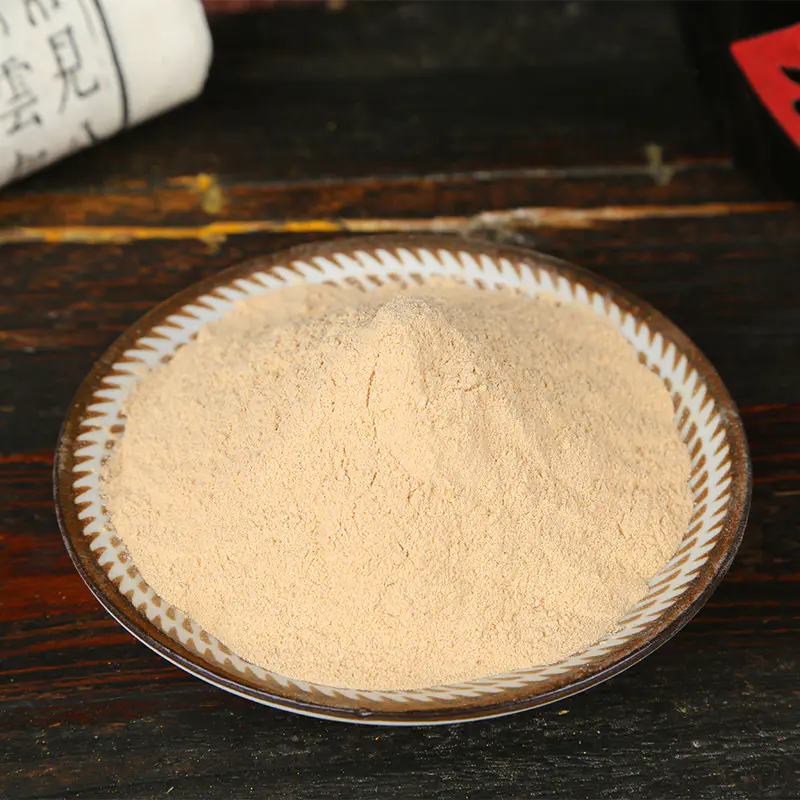

What Is Fruit And Vegetable Powder and How Is It Made?
Fruit and vegetable powder is a concentrated, shelf-stable form of whole fruits and vegetables that have been dehydrated and ground into a fine powder. It retains most of the natural nutrients, fiber, and phytonutrients of fresh produce, making it a versatile ingredient used in food manufacturing, dietary supplements, health beverages, and functional foods.
- 1 What Exactly Is Fruit And Vegetable Powder?
- 2 How Is Fruit And Vegetable Powder Made?
- 3 Common Types of Fruit And Vegetable Powder
- 4 Key Benefits of Fruit And Vegetable Powder
- 5 Fruit And Vegetable Powder vs. Fresh Produce: A Comparison
- 6 Applications of Fruit And Vegetable Powder Across Industries
- 7 How to Evaluate the Quality of Fruit And Vegetable Powder
- 8 Frequently Asked Questions About Fruit And Vegetable Powder
- 8.1 Q: Is fruit and vegetable powder as nutritious as fresh produce?
- 8.2 Q: Can fruit and vegetable powder replace eating whole fruits and vegetables?
- 8.3 Q: How should fruit and vegetable powder be stored?
- 8.4 Q: What is the difference between whole fruit powder and juice powder?
- 8.5 Q: Is organic fruit and vegetable powder worth the premium?
- 8.6 Q: Which drying method produces the best fruit and vegetable powder?
- 9 Conclusion
What Exactly Is Fruit And Vegetable Powder?
At its core, fruit and vegetable powder is made by removing the moisture content from raw or processed produce until only the dry solid matter remains. This powder form preserves the color, flavor, aroma, and nutritional profile of the original ingredient in a compact, easy-to-store format.
Unlike fresh produce, which has a short shelf life and is sensitive to temperature and handling, vegetable and fruit powder can last anywhere from 12 months to several years when stored correctly. This makes it highly valuable across multiple industries — from food and beverage to nutraceuticals and cosmetics.
These powders can be made from a single fruit or vegetable (e.g., spinach powder, beet powder, mango powder) or blended into multi-ingredient formulations designed to deliver a broad spectrum of vitamins, minerals, and antioxidants.
How Is Fruit And Vegetable Powder Made?
The manufacturing process behind fruit and vegetable powder involves several key steps, and the chosen method significantly influences the final product's nutritional value, color, texture, and taste.
Step 1: Raw Material Selection and Cleaning
The process begins with selecting high-quality fruits or vegetables at peak ripeness. The raw materials are thoroughly washed to remove dirt, pesticides, and contaminants. Quality control at this stage ensures the final powder meets food safety and nutritional standards.
Step 2: Pre-Treatment (Blanching / Peeling / Slicing)
Many vegetables undergo blanching — brief exposure to hot water or steam — to deactivate enzymes that cause browning and nutrient degradation. Fruits may be peeled, pitted, or sliced to ensure even drying. Some manufacturers also add natural preservatives or antioxidants at this stage.
Step 3: Drying / Dehydration
This is the most critical stage. The drying method determines the nutrient retention, texture, and quality of the resulting fruit and vegetable powder. The main methods include:
Step 4: Grinding and Milling
Once fully dried, the dehydrated material is milled into fine powder using industrial grinding equipment such as hammer mills, ball mills, or jet mills. The target particle size typically ranges from 80 to 200 mesh, depending on the application. Finer powders dissolve more easily in liquids, while coarser powders may retain more fiber structure.
Step 5: Sieving, Blending, and Packaging
The milled powder is sieved to ensure uniform particle size and remove any large particles. For blended products, multiple single-ingredient powders are combined in precise ratios. Final packaging is done under low-humidity, food-safe conditions — typically in vacuum-sealed or nitrogen-flushed bags or containers — to prevent moisture absorption and oxidation.
Common Types of Fruit And Vegetable Powder
The category of fruit and vegetable powders is broad. Below are the most widely used types across different industries:
Popular Fruit Powders
- Mango Powder – Rich in vitamin C and beta-carotene; widely used in beverages and snacks
- Blueberry Powder – High in anthocyanins and antioxidants; popular in supplements
- Strawberry Powder – Natural red colorant and flavor enhancer for food products
- Banana Powder – Used in baking, protein powders, and baby food
- Acerola Cherry Powder – One of the richest natural sources of vitamin C
Popular Vegetable Powders
- Spinach Powder – Excellent source of iron, magnesium, and chlorophyll
- Beet Root Powder – Popular for pre-workout performance and natural red coloring
- Kale Powder – Dense in vitamins A, K, and C; a green superfood staple
- Carrot Powder – High in beta-carotene; used in soups, sauces, and baked goods
- Broccoli Powder – Contains sulforaphane, a key anti-inflammatory compound
Key Benefits of Fruit And Vegetable Powder
Concentrated Nutrition — A single teaspoon of vegetable powder can contain the nutrient equivalent of multiple servings of fresh produce, making it ideal for supplementation.
Long Shelf Life — Properly processed and packaged fruit powder lasts 1–3 years, dramatically reducing food waste compared to fresh produce.
Convenience and Versatility — Easily mixed into smoothies, shakes, soups, sauces, baked goods, and capsules without the need for refrigeration.
Year-Round Availability — Fruit and vegetable powder is not bound by seasonal limitations, providing consistent supply of out-of-season produce.
Clean Label Applications — Increasingly used as natural colorants and flavor enhancers in clean-label food manufacturing, replacing artificial additives.
Fruit And Vegetable Powder vs. Fresh Produce: A Comparison
Applications of Fruit And Vegetable Powder Across Industries
The demand for fruit and vegetable powder continues to grow as industries find new and innovative ways to incorporate these nutrient-dense ingredients:
- Functional Foods & Beverages — Added to smoothie mixes, instant drinks, energy bars, and fortified snacks to boost nutritional value.
- Dietary Supplements — Encapsulated or pressed into tablets as part of greens blends, multivitamins, or antioxidant formulas.
- Baby and Infant Food — Safe, concentrated nutrition for age-appropriate food products where fresh preparation is impractical.
- Baking and Confectionery — Used to add natural color, flavor, and nutritional content to breads, pastries, and candies.
- Cosmetics and Skincare — Rich in antioxidants and vitamins, fruit powder is used in facial masks, serums, and exfoliants.
- Animal Nutrition — Incorporated into pet food and livestock feed as a natural vitamin and mineral supplement.
How to Evaluate the Quality of Fruit And Vegetable Powder
Not all fruit and vegetable powders are equal. When sourcing or purchasing, consider these quality indicators:
Frequently Asked Questions About Fruit And Vegetable Powder
Q: Is fruit and vegetable powder as nutritious as fresh produce?
A: While fruit and vegetable powder retains most vitamins, minerals, and antioxidants, some heat-sensitive nutrients like vitamin C and certain B vitamins may be slightly reduced during the drying process — especially with hot-air or drum drying. Freeze-dried powders come closest to the nutritional profile of fresh produce. That said, in terms of concentration per gram, powders can deliver more nutrients than an equivalent weight of fresh food.
Q: Can fruit and vegetable powder replace eating whole fruits and vegetables?
A: No — fruit and vegetable powder is best used as a supplement to, not a replacement for, whole produce. Fresh fruits and vegetables provide complete dietary fiber, water content, and a range of phytochemicals that powders may not fully replicate. Powders are ideal for increasing nutrient intake on top of a balanced diet.
Q: How should fruit and vegetable powder be stored?
A: Store vegetable and fruit powder in a cool, dry place away from direct sunlight. Once opened, reseal tightly or transfer to an airtight container. Avoid exposing the powder to moisture, as it can cause clumping and microbial growth. Most powders have a shelf life of 1–2 years when stored properly.
Q: What is the difference between whole fruit powder and juice powder?
A: Whole fruit powder is made from the entire fruit including skin and pulp, preserving dietary fiber and a fuller nutrient profile. Juice powder is made from the extracted juice, which typically has a higher sugar concentration and lower fiber content. For most health applications, whole fruit powder is the preferred choice.
A: Organic fruit and vegetable powder is produced without synthetic pesticides, herbicides, or GMO crops. Given that drying concentrates everything in the original produce — including any residual chemicals — choosing certified organic powder is especially important for health-conscious consumers and supplement manufacturers. For commodity applications where cost is a priority, conventional grade powder may be suitable.
Q: Which drying method produces the best fruit and vegetable powder?
A: Freeze drying is widely considered the gold standard for producing premium fruit and vegetable powder, as it preserves the highest levels of nutrients, color, and flavor. However, it is the most expensive method. Spray drying is the most scalable for commercial production of juice-based powders, while hot air drying is the most cost-effective for bulk commodity powders.
Conclusion
Fruit and vegetable powder represents one of the most practical innovations in modern food processing. By transforming perishable fresh produce into a stable, concentrated, and versatile ingredient, it bridges the gap between whole-food nutrition and the demands of global food supply chains.
Whether you're a food manufacturer looking for natural colorants and functional ingredients, a supplement brand building a greens formula, or a consumer wanting to boost daily nutrient intake, understanding how fruit and vegetable powder is made — and what separates high-quality from low-quality products — is the foundation for making informed decisions.
prevNo previous article
nextWhat Are the Best Ways to Incorporate Freeze Dried Broccoli into Your Meals?

News Category
- Company News(1)
- Industry News(83)
Popular products

Food preserved with the essence of nature.

ADDRESS: Industrial Park, Xingdong Town, Xinghua City, Jiangsu, China
- TEL: +86-523-83896988
- PHONE: +86-18710858773
- fax: +86-523-83898211
Copyright © 2024Xinghua Maosheng Food Co., Ltd. All Rights Reserved. Dehydrated Vegetables, Freeze Dried Fruits, And Spices Supplier
