


 English
 русский
 日本語
日本語 한국어
한국어 中文简体
中文简体

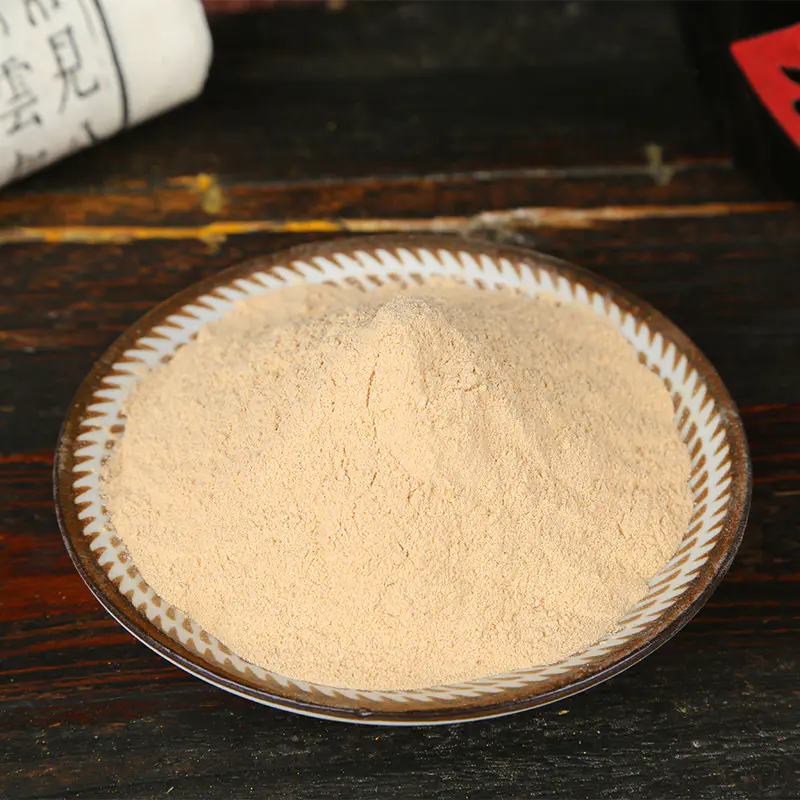

What Are the Common Uses of Dehydrated Carrot?
Dehydrated Carrot has become an essential ingredient in kitchens and food industries worldwide due to its convenience, long shelf life, and retained nutritional value. From home cooking to large-scale food production, dehydrated carrots offer versatility and practicality. Understanding its common uses can help both culinary enthusiasts and food manufacturers maximize its benefits.
1. Culinary Applications
Soups and Stews
Dehydrated Carrot is widely used in soups and stews, where it provides natural sweetness and vibrant color. Unlike fresh carrots, it requires minimal preparation—simply rehydrate in hot water or directly add to cooking liquids. This saves time while maintaining flavor and texture.
Instant Meals
Instant noodles, ready-to-eat meals, and packaged soups often incorporate dehydrated carrots. They rehydrate quickly during cooking, providing both nutrients and visual appeal without affecting the product's shelf stability.
Snacks and Bakery Products
Dehydrated carrot can be ground into powder and used in baking, adding natural sweetness and color to muffins, breads, and cakes. It is also used in health-oriented snacks such as vegetable chips, granola bars, and crackers.
2. Industrial and Commercial Uses
Food Manufacturing
Food manufacturers rely on dehydrated carrot as a cost-effective ingredient in sauces, baby food, ready meals, and seasoning mixes. Its long shelf life reduces storage costs and minimizes spoilage compared to fresh carrots.
Pet Food
Dehydrated carrots are often included in pet food formulas. They provide essential vitamins, fiber, and a natural source of color and flavor, enhancing both nutrition and palatability for pets.
3. Nutritional Benefits
Dehydrated carrots retain most of the nutrients found in fresh carrots, including beta-carotene, vitamins A, K, and C, and dietary fiber. Using dehydrated carrots allows consumers to enjoy these benefits year-round, even when fresh carrots are out of season.
4. Advantages of Using Dehydrated Carrot
- Long Shelf Life: Can be stored for months without refrigeration.
- Convenience: Easy to use, no peeling or chopping required.
- Consistency: Uniform size and texture in prepared foods.
- Cost-Effective: Lower transportation and storage costs than fresh carrots.
- Versatility: Suitable for soups, stews, snacks, baked goods, and industrial food products.
5. Comparison with Fresh Carrots
| Feature | Fresh Carrot | Dehydrated Carrot |
|---|---|---|
| Shelf Life | 1-2 weeks | 6-12 months |
| Storage Requirement | Refrigeration | Room temperature, airtight storage |
| Preparation Time | Peeling and chopping required | Minimal preparation, often ready to use |
| Transportation Cost | High due to weight and perishability | Lower due to reduced weight and volume |
6. Frequently Asked Questions (FAQs)
Can dehydrated carrots be eaten directly?
Yes, dehydrated carrots can be eaten as a crunchy snack. However, they are often more enjoyable when rehydrated in water or added to cooked dishes.
How do I rehydrate dehydrated carrots?
Simply soak them in warm water for 10-15 minutes, or add them directly to soups and stews during cooking—they will absorb liquid and regain texture.
Do dehydrated carrots lose nutrients?
While some vitamin loss occurs during dehydration, most nutrients, especially beta-carotene and fiber, remain intact, making them a healthy alternative to fresh carrots.
Can dehydrated carrots be used in baking?
Absolutely. They can be powdered and added to cakes, breads, and muffins, or used as small pieces in savory baked goods.
Conclusion
Dehydrated Carrot offers unmatched convenience, long shelf life, and versatility, making it a valuable ingredient for home cooks, food manufacturers, and even pet food producers. Its widespread use in soups, snacks, baked goods, and industrial applications demonstrates its growing importance in modern kitchens and commercial food production.

News Category
- Company News(1)
- Industry News(83)
Popular products

Food preserved with the essence of nature.

ADDRESS: Industrial Park, Xingdong Town, Xinghua City, Jiangsu, China
- TEL: +86-523-83896988
- PHONE: +86-18710858773
- fax: +86-523-83898211
Copyright © 2024Xinghua Maosheng Food Co., Ltd. All Rights Reserved. Dehydrated Vegetables, Freeze Dried Fruits, And Spices Supplier
