


 English
 русский
 日本語
日本語 한국어
한국어 中文简体
中文简体

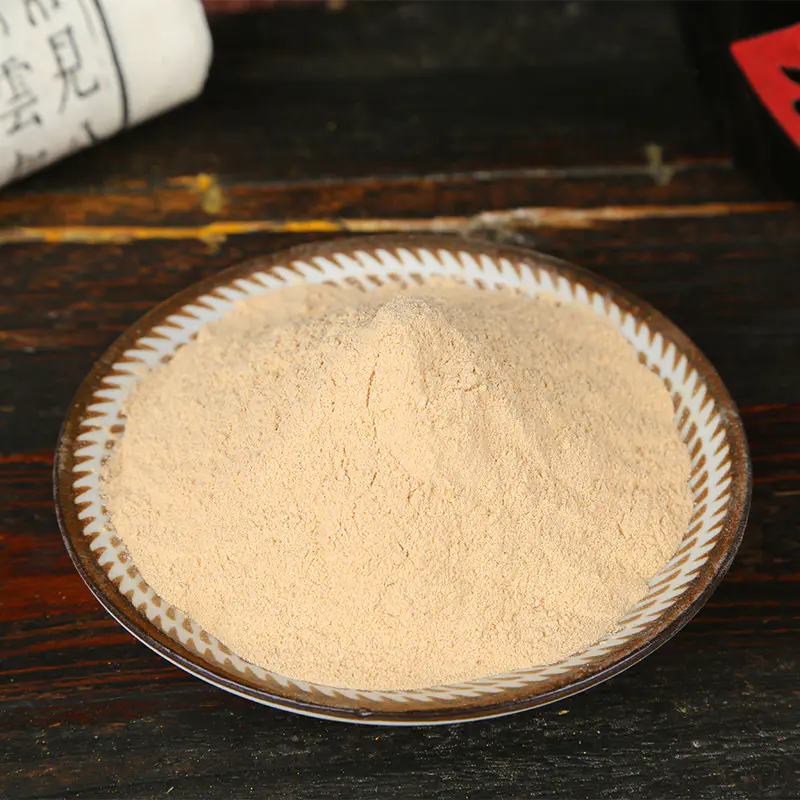

How is Dehydrated Carrot Made?
Understanding Dehydrated Carrot
Dehydrated Carrot is a preserved form of carrot with most of its water content removed. This process extends the shelf life of carrots while maintaining most of their nutrients and flavor. It is widely used in soups, snacks, ready-to-eat meals, and pet food.
The Dehydration Process
1. Selection and Cleaning
High-quality carrots are carefully selected for size, ripeness, and color. After selection, they undergo thorough washing to remove dirt, pesticides, and impurities. Clean carrots ensure better flavor and longer shelf life.
2. Peeling and Cutting
Carrots are peeled to remove the outer skin, which may contain contaminants. Then, they are cut into uniform slices, sticks, or cubes. Uniform pieces allow consistent drying and reduce processing time.
3. Blanching
Blanching involves briefly boiling or steaming carrots before dehydration. This step:
- Preserves the bright orange color.
- Reduces enzymatic activity that can cause spoilage.
- Maintains nutrients such as beta-carotene.
4. Drying
Carrots can be dehydrated using several methods, including:
- Hot Air Drying: Carrots are exposed to hot air at controlled temperatures, gradually removing moisture.
- Freeze Drying: Carrots are frozen and then exposed to a vacuum, allowing water to sublimate directly from ice to vapor. This method retains the highest nutrients and flavor.
- Vacuum Drying: Moisture is removed under low pressure, which prevents oxidation and preserves color and taste.
5. Cooling and Packaging
After drying, carrots are cooled to room temperature to prevent condensation. They are then packaged in airtight containers or vacuum-sealed bags to maintain freshness and extend shelf life.
Benefits of Dehydrated Carrot
- Long shelf life without refrigeration.
- Maintains most vitamins, especially vitamin A and beta-carotene.
- Lightweight and easy to transport.
- Convenient for cooking and ready-to-eat products.
Dehydrated Carrot vs Fresh Carrot
| Feature | Dehydrated Carrot | Fresh Carrot |
|---|---|---|
| Shelf Life | Up to 12 months | 1–2 weeks |
| Storage | Room temperature, airtight packaging | Refrigeration required |
| Nutrient Retention | High, especially with freeze-drying | Full natural nutrients but perishable |
| Usage | Cooking, soups, snacks, ready-to-eat meals | Raw eating, cooking, juicing |
Frequently Asked Questions (FAQ)
Q1: Does dehydration affect the taste of carrots?
Dehydration slightly intensifies the sweetness due to water removal. Freeze-dried carrots retain the closest taste to fresh carrots.
Q2: Can dehydrated carrots be rehydrated?
Yes, soaking in water or cooking in soups and sauces allows dehydrated carrots to regain texture and volume.
Q3: Are dehydrated carrots healthy?
Dehydrated carrots retain most of their vitamins and minerals, especially beta-carotene, making them a nutritious and convenient option.
Q4: What is the best method for making dehydrated carrots at home?
Using a home food dehydrator ensures uniform drying. Blanching before drying helps preserve color and nutrients.
Conclusion
Dehydrated Carrot offers a versatile, nutritious, and long-lasting alternative to fresh carrots. Whether using hot air, freeze-drying, or vacuum methods, proper preparation and storage ensure maximum flavor, color, and health benefits.
prevNo previous article
nextWhat Is Dehydrated Carrot? A Complete Guide to Production, Benefits, Applications, and Market Trends

News Category
- Company News(1)
- Industry News(83)
Popular products

Food preserved with the essence of nature.

ADDRESS: Industrial Park, Xingdong Town, Xinghua City, Jiangsu, China
- TEL: +86-523-83896988
- PHONE: +86-18710858773
- fax: +86-523-83898211
Copyright © 2024Xinghua Maosheng Food Co., Ltd. All Rights Reserved. Dehydrated Vegetables, Freeze Dried Fruits, And Spices Supplier
