


 English
 русский
 日本語
日本語 한국어
한국어 中文简体
中文简体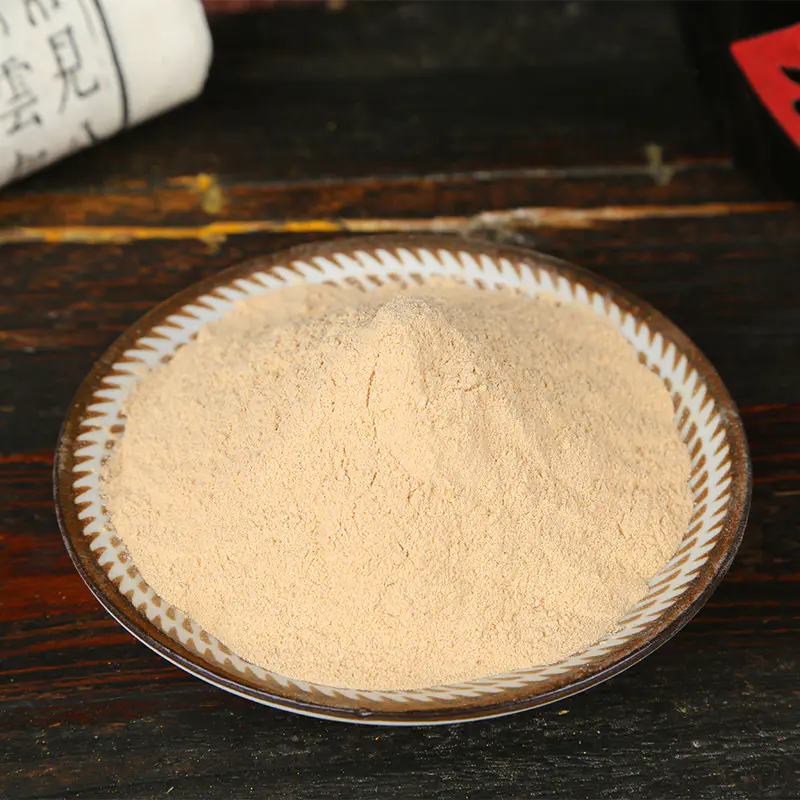

NEWS
Home / News / Industry News / What Is Dehydrated Carrot? A Complete Guide to Production, Benefits, Applications, and Market Trends


What Is Dehydrated Carrot? A Complete Guide to Production, Benefits, Applications, and Market Trends
Dehydrated Carrot is increasingly gaining attention across the global food, health, and ingredient industries due to its long shelf life, rich nutritional profile, and versatile applications. As food manufacturers, retailers, and consumers seek convenient and sustainable ingredients, dehydrated vegetables—especially carrots—are becoming a strategic choice for modern supply chains.
- 1 What Is Dehydrated Carrot?
- 2 How Dehydrated Carrot Is Produced
- 3 Nutritional Value of Dehydrated Carrot
- 4 Key Advantages of Dehydrated Carrot
- 5 Common Applications of Dehydrated Carrot
- 6 Different Forms of Dehydrated Carrot Products
- 7 Quality Standards and Safety Control
- 8 Global Market Trends for Dehydrated Carrot
- 9 How to Properly Store Dehydrated Carrot
- 10 Rehydration Methods and Usage Tips
- 11 Environmental and Sustainability Benefits
- 12 Future Outlook of the Dehydrated Carrot Industry
- 13 Frequently Asked Questions (FAQ)
- 14 Conclusion
What Is Dehydrated Carrot?
Dehydrated Carrot refers to fresh carrots that have undergone a controlled drying process to remove most of their natural moisture while retaining color, flavor, and nutrients. Through dehydration, carrots become lightweight, shelf-stable, and easy to store and transport without the need for refrigeration.
Dehydrated carrots are available in several physical forms, including slices, dices, granules, shreds, and powders. Once rehydrated, they closely resemble fresh carrots in texture and taste, making them a valuable ingredient across multiple food categories.
How Dehydrated Carrot Is Produced
1. Raw Material Selection
Only high-quality, mature carrots with uniform size and bright color are selected. Proper sorting ensures consistent flavor and nutrient retention.
2. Washing and Cutting
Carrots are thoroughly washed to remove soil, then sliced, diced, or shredded according to product specifications.
3. Blanching
Blanching helps preserve color, deactivate enzymes, and enhance shelf stability.
4. Drying Process
Hot air drying, freeze drying, or low-temperature dehydration removes moisture while preserving nutrients.
5. Cooling, Packaging, and Storage
The dried carrots are cooled, inspected, and sealed in moisture-proof packaging under strict food safety standards.
Nutritional Value of Dehydrated Carrot
Dehydrated Carrot retains most of the nutritional properties of fresh carrots in concentrated form:
- High in beta-carotene, converted into vitamin A in the body
- Rich in dietary fiber for digestive health
- Contains essential minerals such as potassium and calcium
- Source of antioxidants supporting immune health
- Low in fat and naturally cholesterol-free
Because the water content is removed, nutrients are more concentrated per gram compared to fresh carrots.
Key Advantages of Dehydrated Carrot
Long Shelf Life
With moisture reduced to minimal levels, dehydrated carrots can be stored for 12–24 months without preservatives.
Easy Storage and Transportation
Lightweight and compact form reduces logistics and warehousing costs.
Year-Round Availability
Supply is not affected by seasonal harvest cycles.
Minimal Food Waste
Extended shelf life significantly reduces spoilage and food loss.
Convenient for Food Processing
Uniform size and quick rehydration make it ideal for automated food production.
Common Applications of Dehydrated Carrot
1. Instant and Convenience Foods
- Instant noodles and soups
- Ready-to-eat meals
- Dehydrated meal kits
2. Bakery and Snack Products
- Vegetable crackers
- Health snacks and chips
- Functional nutrition bars
3. Baby Food and Elderly Nutrition
Dehydrated carrot powder is widely used in baby cereals and senior nutrition formulas due to its gentle digestion and high vitamin content.
4. Pet Food and Animal Feed
Provides natural color, vitamins, and fiber for premium pet food formulations.
5. Health Supplements
Used in vegetable capsules, detox powders, and nutritional drink mixes.
Different Forms of Dehydrated Carrot Products
| Form | Main Applications |
|---|---|
| Slices | Soups, foodservice, instant meals |
| Dices | Frozen-style meals, canned foods |
| Granules | Seasonings, spice blends |
| Shreds | Bakery toppings, vegetable mixes |
| Powder | Drinks, supplements, baby food |
Quality Standards and Safety Control
High-quality Dehydrated Carrot production follows strict international food safety systems:
- HACCP food safety management
- ISO 22000 certification
- FDA and EU food compliance
- Pesticide residue and heavy metal control
- Microbiology testing for pathogens
Global Market Trends for Dehydrated Carrot
Growing Demand for Clean Label Ingredients
Consumers prefer natural, additive-free ingredients, driving up dehydrated vegetable usage.
Expansion of Ready-to-Eat Food Markets
Instant food and emergency rations rely heavily on dehydrated vegetables.
Rising Plant-Based Diet Trends
Vegetable-based nutrition increases demand for carrot-derived ingredients.
Growth in Export-Oriented Agriculture
Key exporting countries include China, India, Turkey, and the United States.
How to Properly Store Dehydrated Carrot
- Keep in a cool, dry, and dark environment
- Seal packaging tightly after opening
- Avoid exposure to humidity and direct sunlight
- Use food-grade desiccants for extended storage
Rehydration Methods and Usage Tips
Hot Water Rehydration
Soak in boiling water for 5–10 minutes for soups and hot dishes.
Cold Water Rehydration
Soak for 30–60 minutes for salads and cold applications.
Direct Cooking Method
Add directly into soups and stews during cooking.
Environmental and Sustainability Benefits
Dehydrated Carrot production supports sustainable agriculture by reducing food waste, minimizing refrigeration energy, and lowering carbon footprint in long-distance transportation.
Future Outlook of the Dehydrated Carrot Industry
With rising demand in health foods, military rations, space food, outdoor camping meals, and pet nutrition, dehydrated carrot consumption is expected to continue steady global growth. Advanced drying technologies, automation, and clean-label processing will further strengthen its market position.
Frequently Asked Questions (FAQ)
Is Dehydrated Carrot as healthy as fresh carrot?
Yes. While water content is removed, most vitamins, minerals, and fibers remain intact. Beta-carotene is highly preserved.
How long does Dehydrated Carrot last?
When stored properly, it can last 12 to 24 months without preservatives.
Does Dehydrated Carrot contain additives?
High-quality products contain only carrots with no artificial colors, flavors, or preservatives.
Can Dehydrated Carrot be eaten directly?
Some snack-grade products can be eaten directly, while most types require rehydration for best texture.
Is Dehydrated Carrot suitable for vegans?
Yes. It is 100% plant-based and vegan-friendly.
Is Dehydrated Carrot suitable for export?
Yes. Its long shelf life and low transportation risk make it ideal for global export.
Conclusion
Dehydrated Carrot stands as a vital ingredient in the modern food industry, offering nutritional durability, economic efficiency, and versatile usage. From instant foods and baby nutrition to pet food and dietary supplements, dehydrated carrot products continue to shape the future of sustainable food manufacturing and global ingredient supply.
prevNo previous article
nextAre Dehydrated Vegetables a Cost-Effective Alternative to Fresh Produce?

News Category
- Company News(1)
- Industry News(83)
Popular products

Food preserved with the essence of nature.

ADDRESS: Industrial Park, Xingdong Town, Xinghua City, Jiangsu, China
- TEL: +86-523-83896988
- PHONE: +86-18710858773
- fax: +86-523-83898211
Copyright © 2024Xinghua Maosheng Food Co., Ltd. All Rights Reserved. Dehydrated Vegetables, Freeze Dried Fruits, And Spices Supplier
