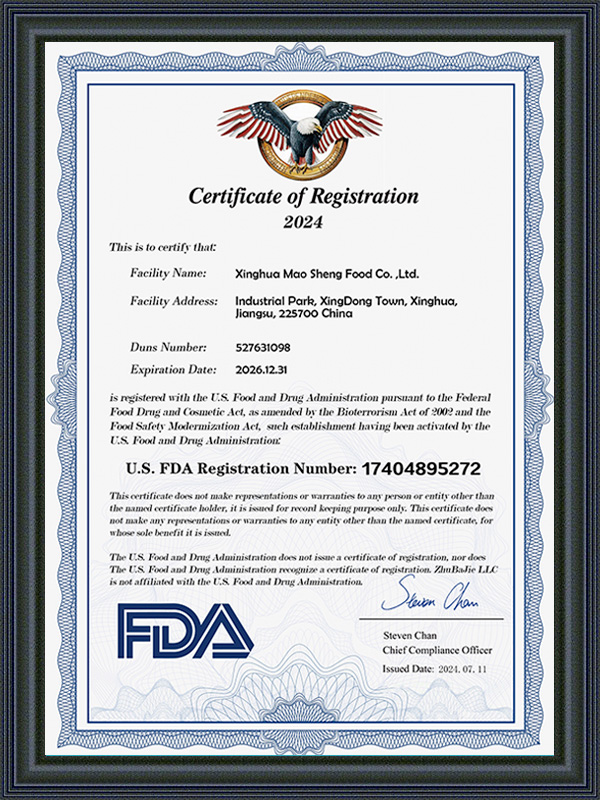
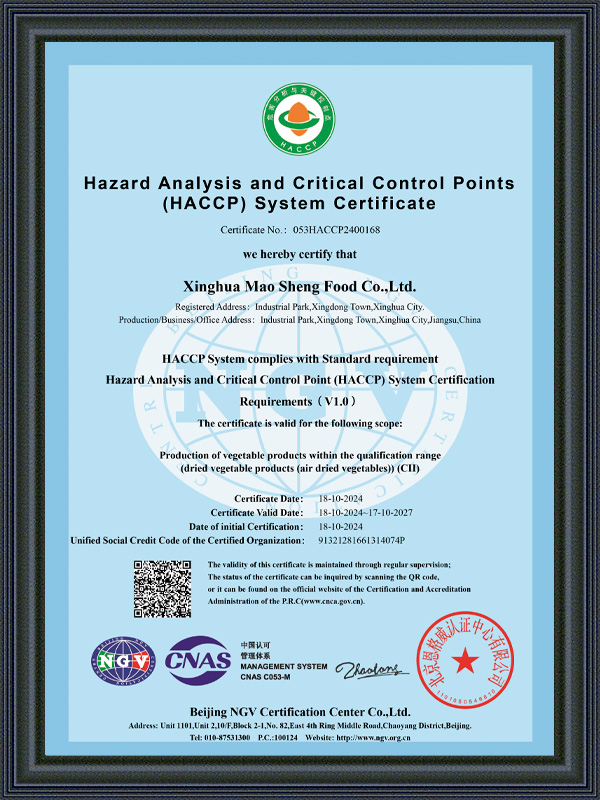
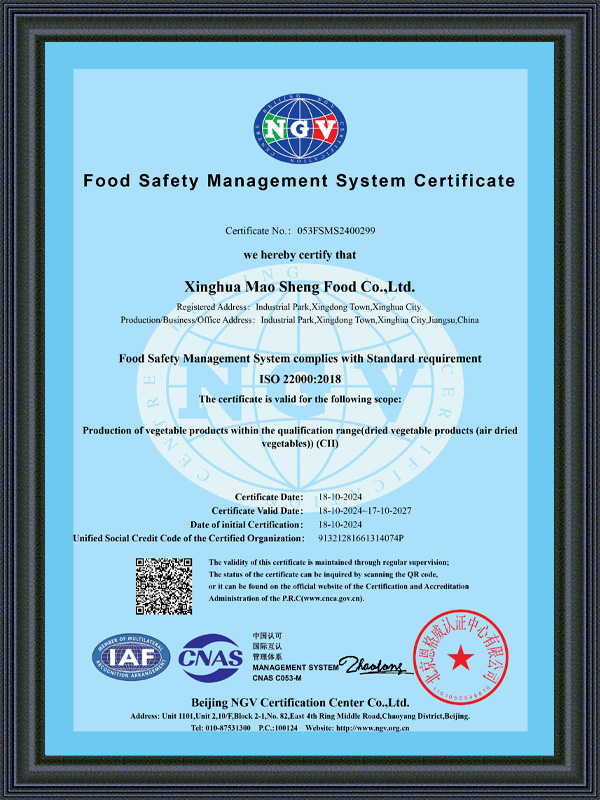
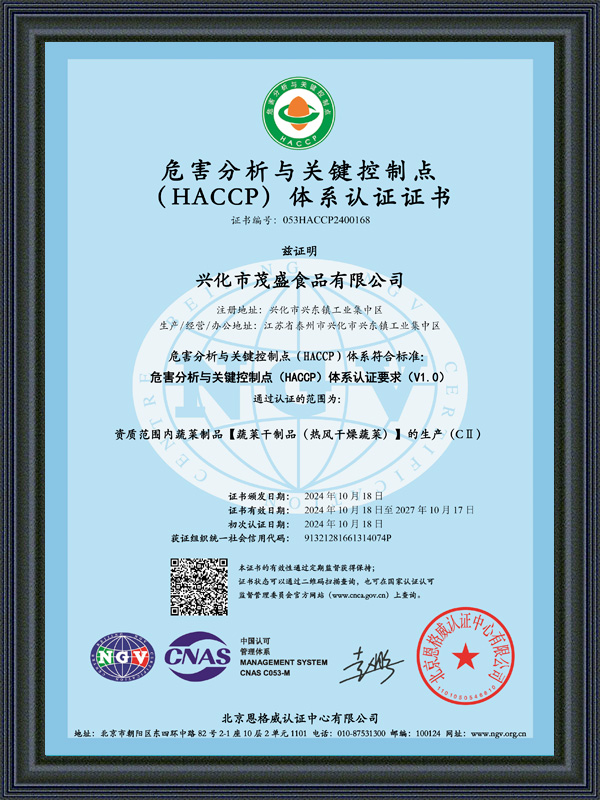
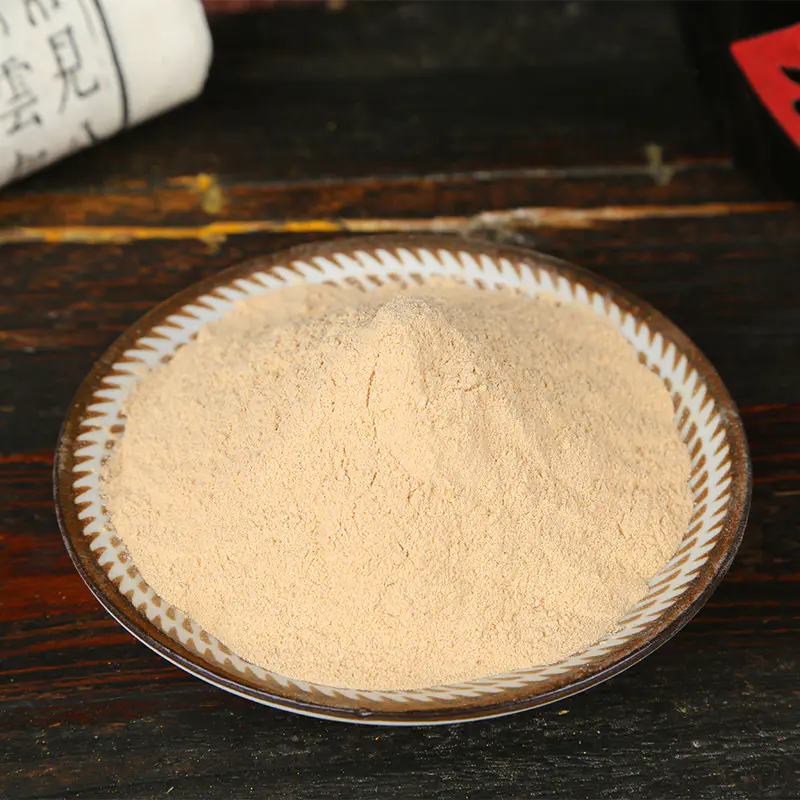
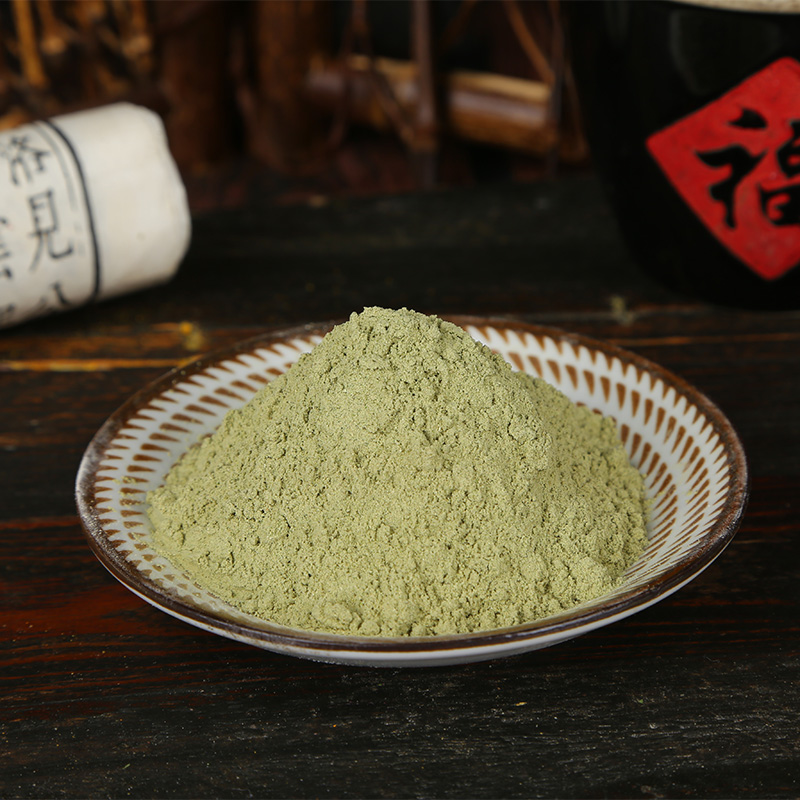
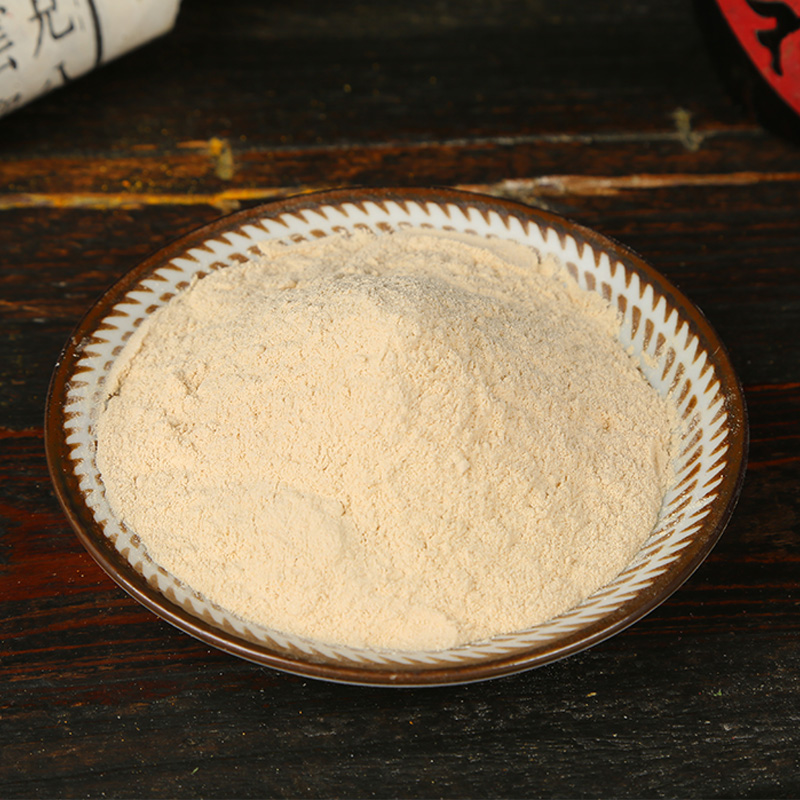
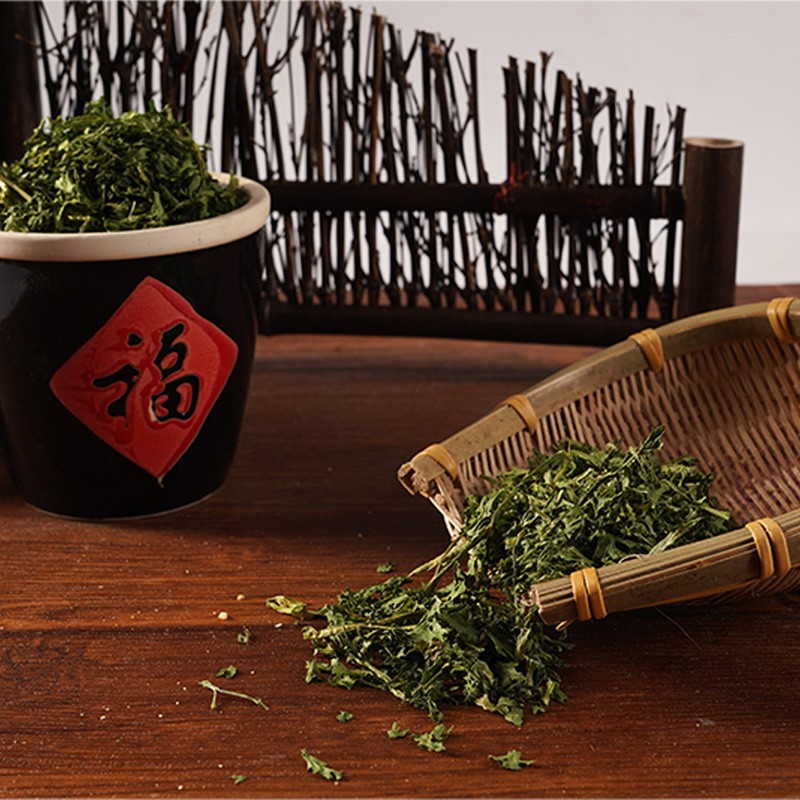
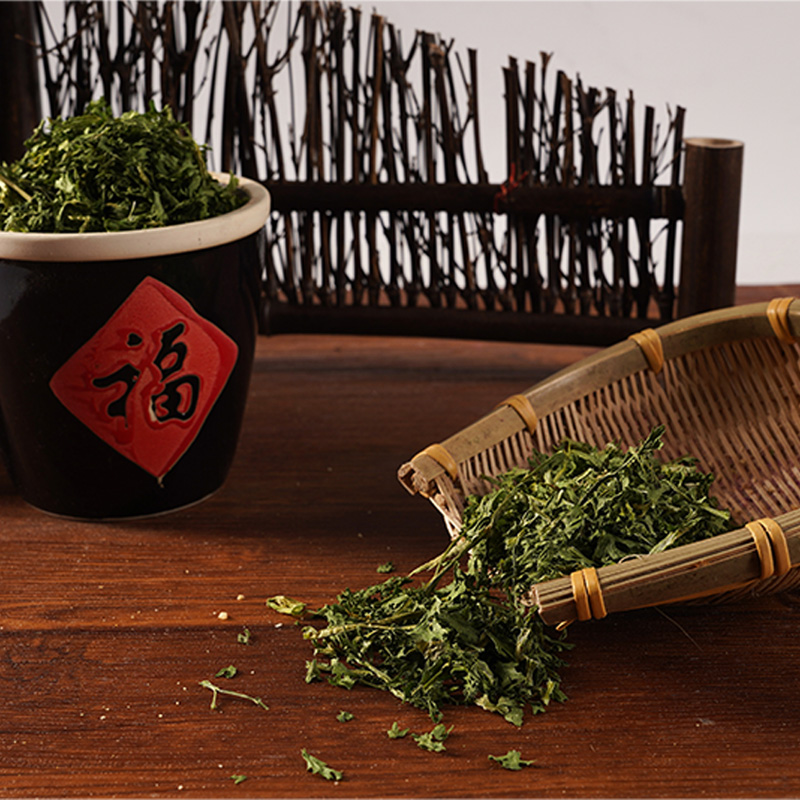
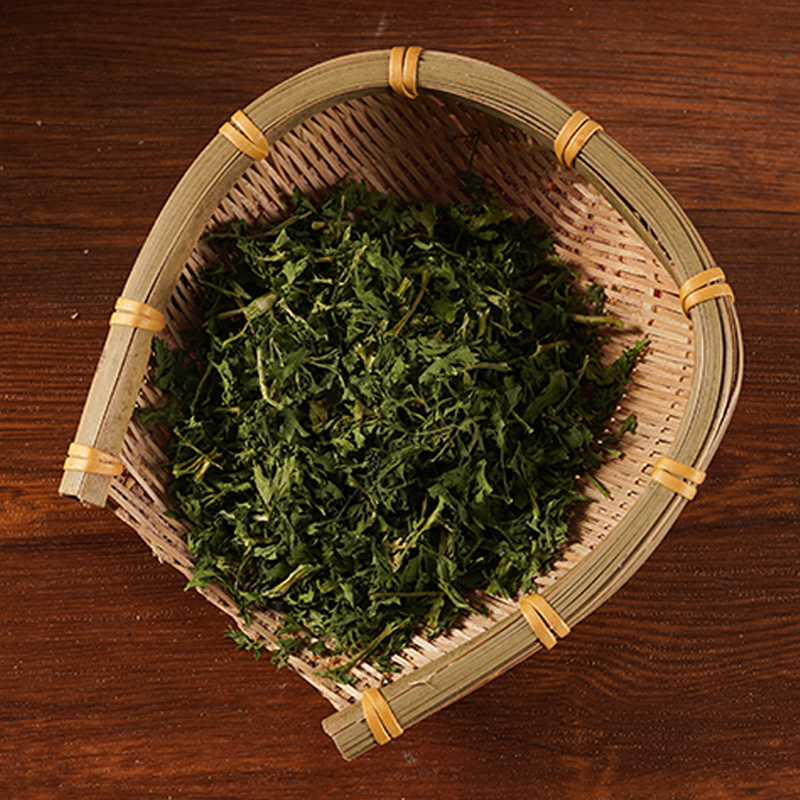
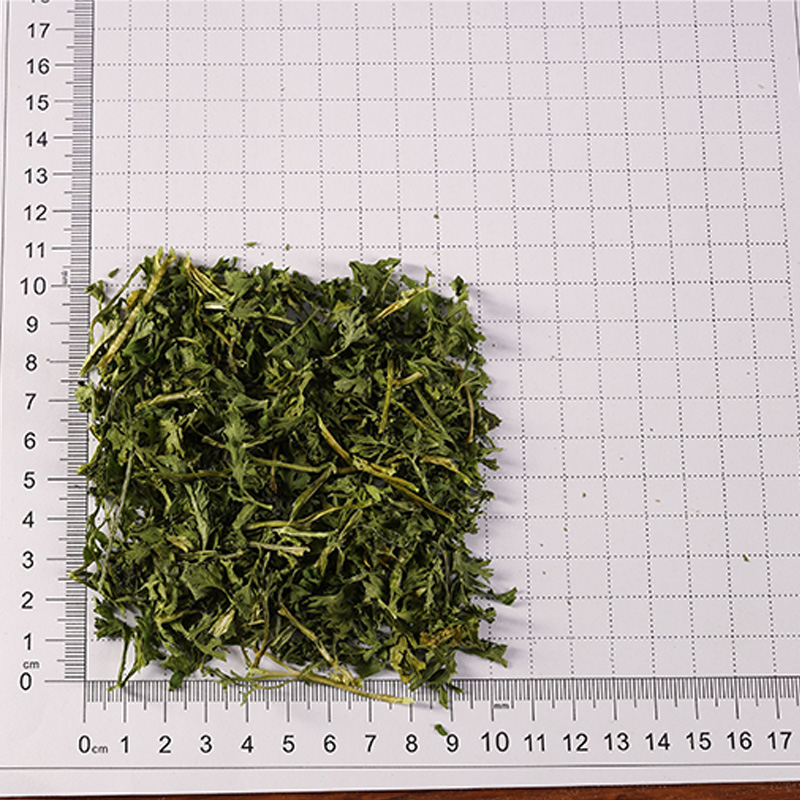
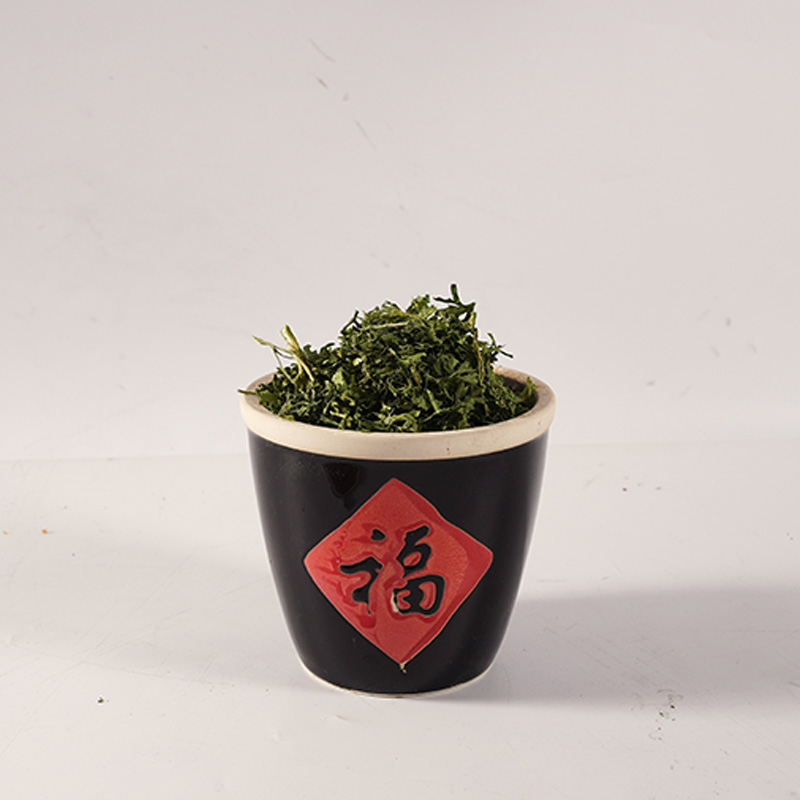
Dehydrated Parsley is a processed form of fresh parsley that has undergone dehydration to preserve its natural nutrients and flavors. This product stands out from other herbs in its category due to its ability to maintain a high level of nutritional value while being lightweight, easy to store, and convenient to transport. Dehydrated parsley is commonly used in food preparation and has become a preferred option for both food industry professionals and home cooks, offering versatility and lasting shelf life compared to fresh parsley.
-
Nutritional Value: Dehydrated parsley retains the essential nutrients found in fresh parsley, including vitamins A, C, and K, as well as antioxidants. This makes it a healthy addition to any meal.
-
Convenience: The dehydration process ensures that the parsley remains compact and light, making it ideal for long-term storage. It can easily be transported without the risk of spoilage, unlike fresh parsley which requires refrigeration.
-
Versatility: It can be used in a variety of culinary applications such as seasoning, garnish, sauces, soups, and salads. It is particularly popular in food processing and catering due to its ability to add flavor without requiring refrigeration.
-
Flavor: Despite being dried, dehydrated parsley retains much of the original flavor of fresh parsley, offering a burst of herbaceous taste when rehydrated or added directly to cooked dishes.
Comparison with Other Products
| Feature |
Dehydrated Parsley |
Fresh Parsley |
Freeze-Dried Parsley |
| Shelf Life |
Long-lasting, months to years |
Short shelf life (1-2 weeks) |
Long-lasting, similar to dehydrated parsley |
| Storage Requirements |
No refrigeration required |
Requires refrigeration |
No refrigeration required |
| Nutritional Retention |
Retains most nutrients |
Fresh, but can lose nutrients over time |
Retains more nutrients than dehydrated parsley |
| Convenience |
Easy to transport and store |
Bulky, requires handling and storage |
Compact and easy to store but more expensive |
FAQ
Q1: How do I use dehydrated parsley in cooking?
A1: Dehydrated parsley can be sprinkled directly onto dishes like soups, sauces, or salads. For more intense flavor, you can rehydrate it in warm water before use.
Q2: How long does dehydrated parsley last?
A2: When stored in a cool, dry place, dehydrated parsley can last up to a year or longer without losing its quality.
Q3: Can I substitute dehydrated parsley for fresh parsley in recipes?
A3: Yes, dehydrated parsley can be used as a substitute for fresh parsley. Typically, 1 tablespoon of dried parsley is equivalent to about 3 tablespoons of fresh parsley. Adjust based on your taste preferences.
Q4: Is dehydrated parsley as nutritious as fresh parsley?
A4: Yes, dehydrated parsley retains most of its nutritional content, including vitamins and antioxidants, but it may lose some minor nutrients due to the drying process. However, it remains a very healthy option for flavoring dishes.


 English
 русский
 日本語
日本語 한국어
한국어 中文简体
中文简体


![{$v2['title']](/template/en/images/a-icons.png)