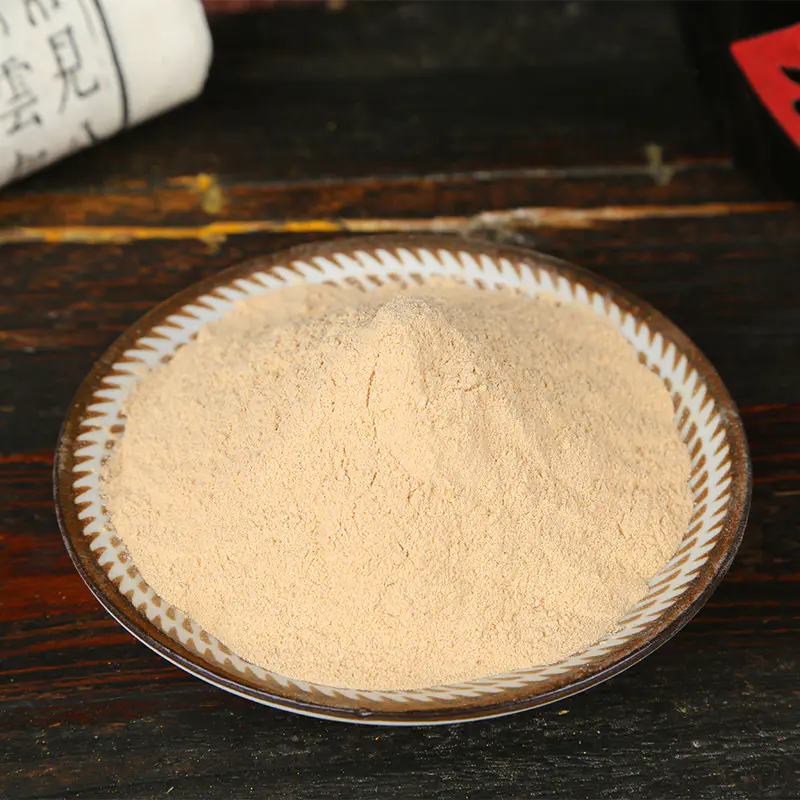
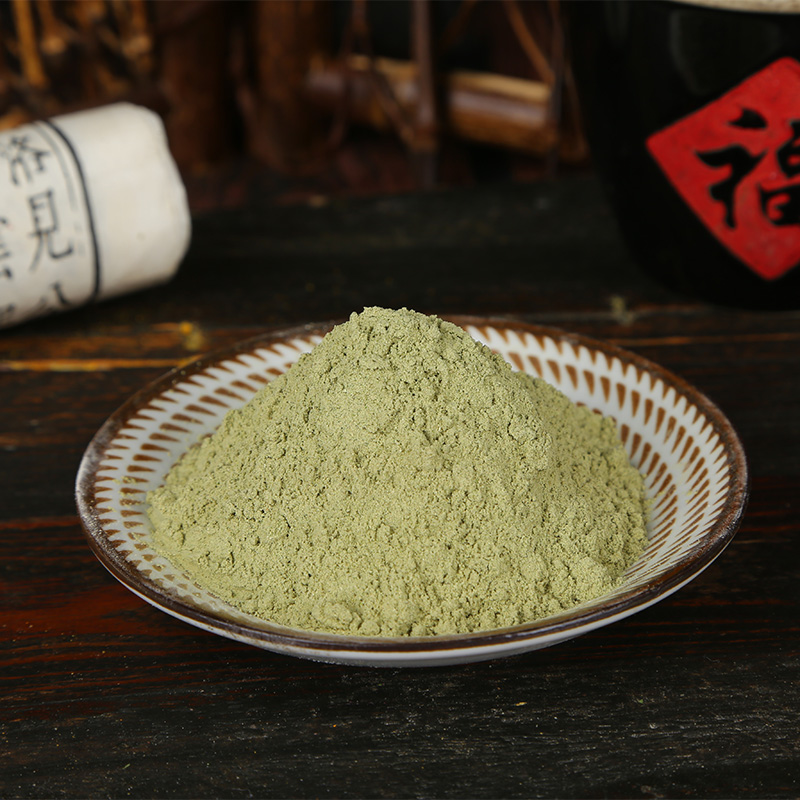
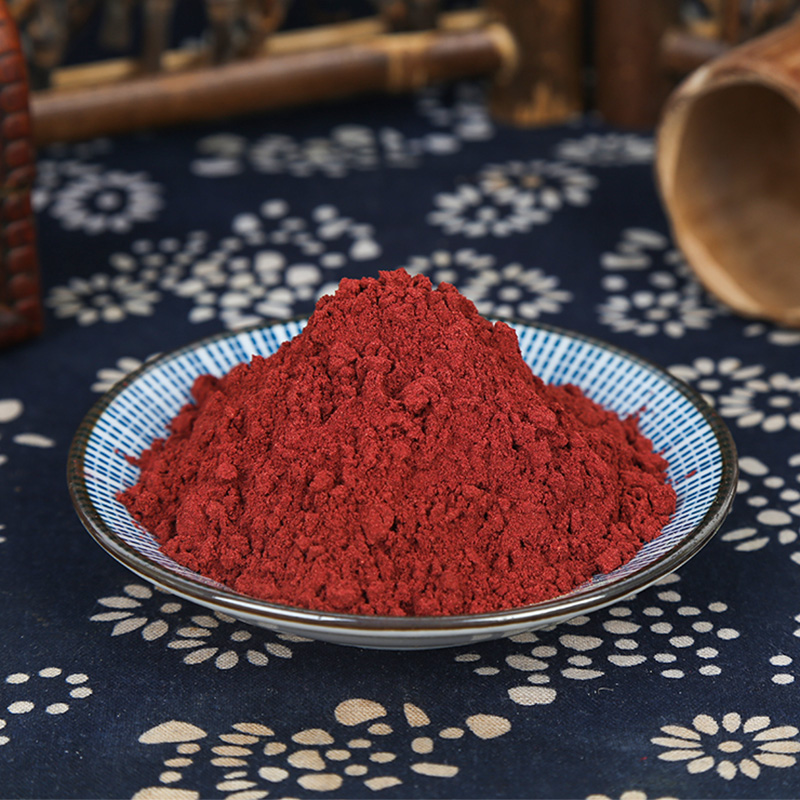
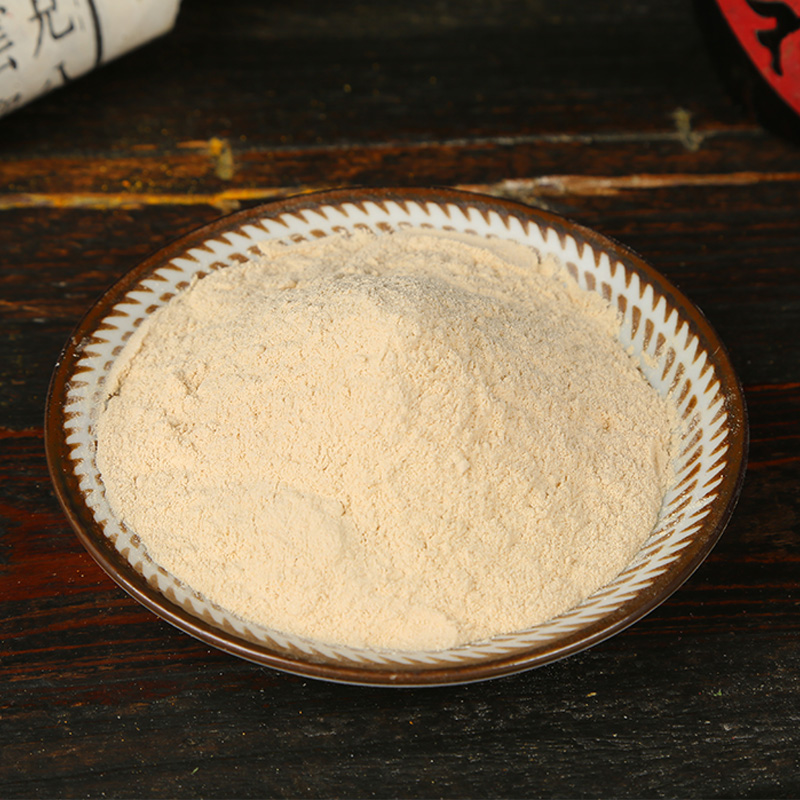
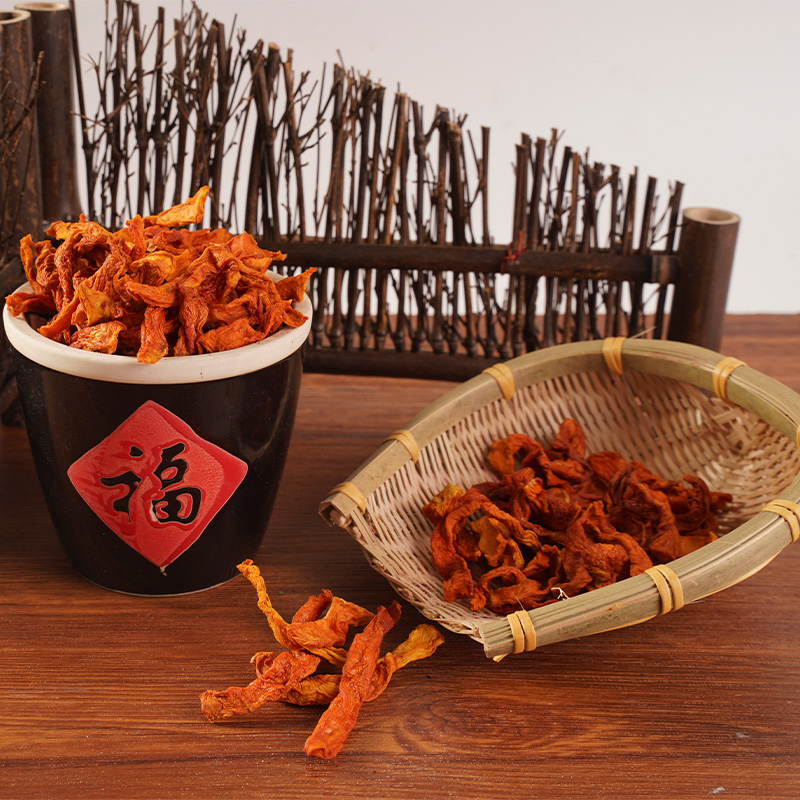
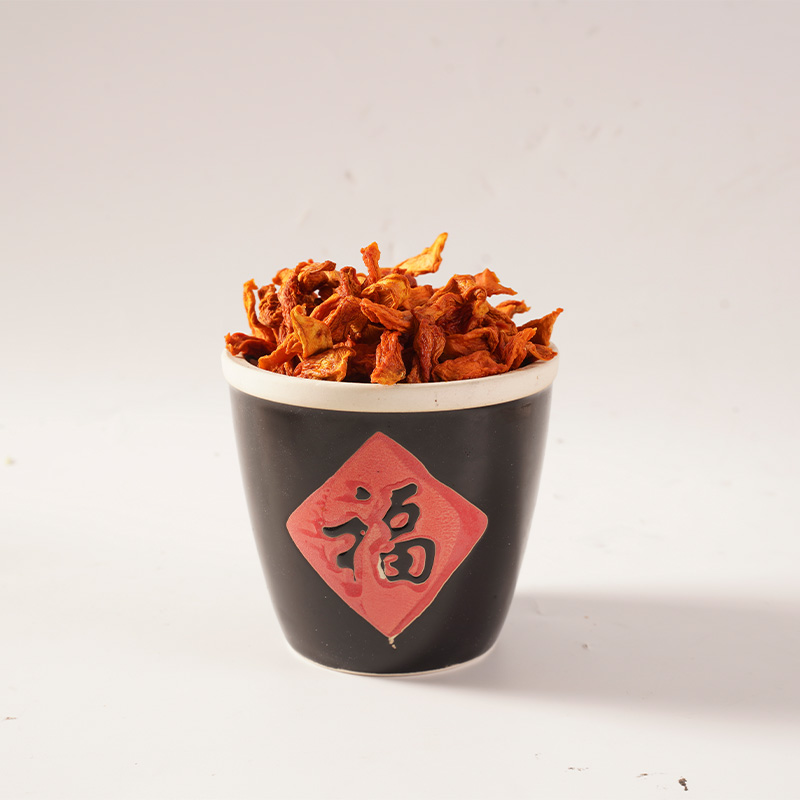
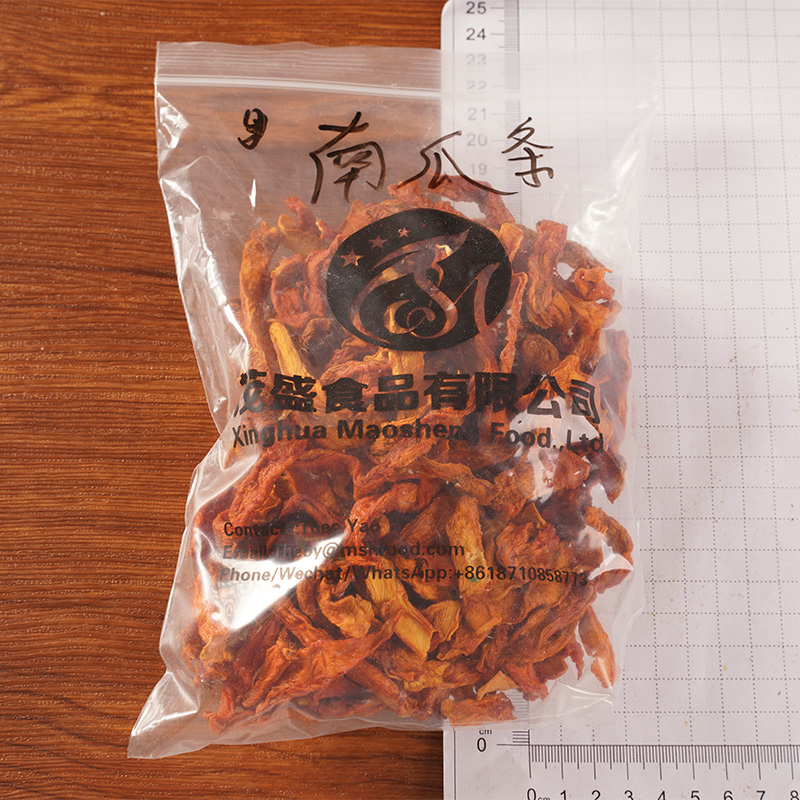
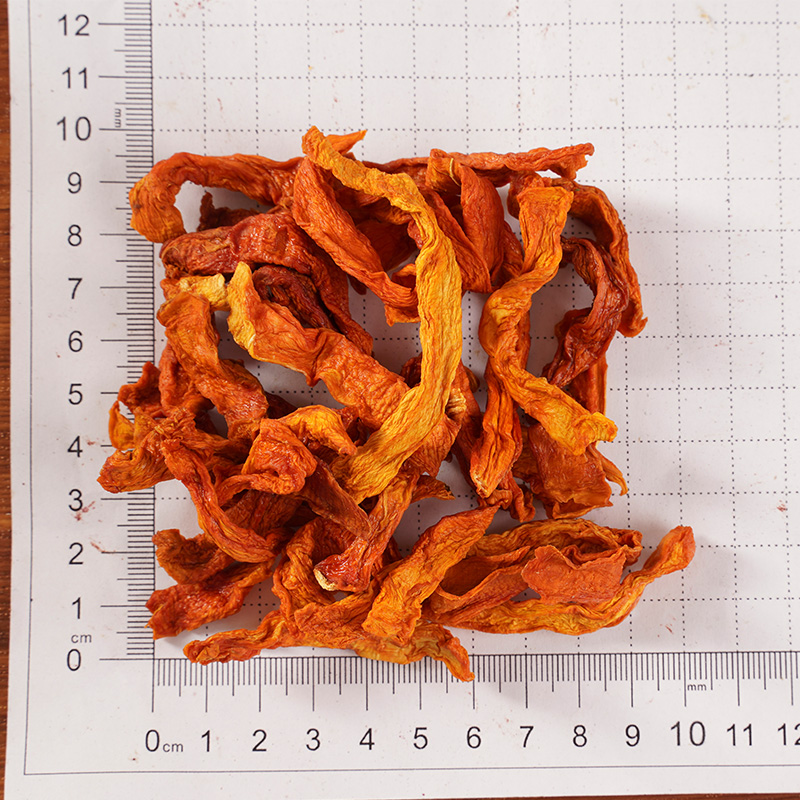
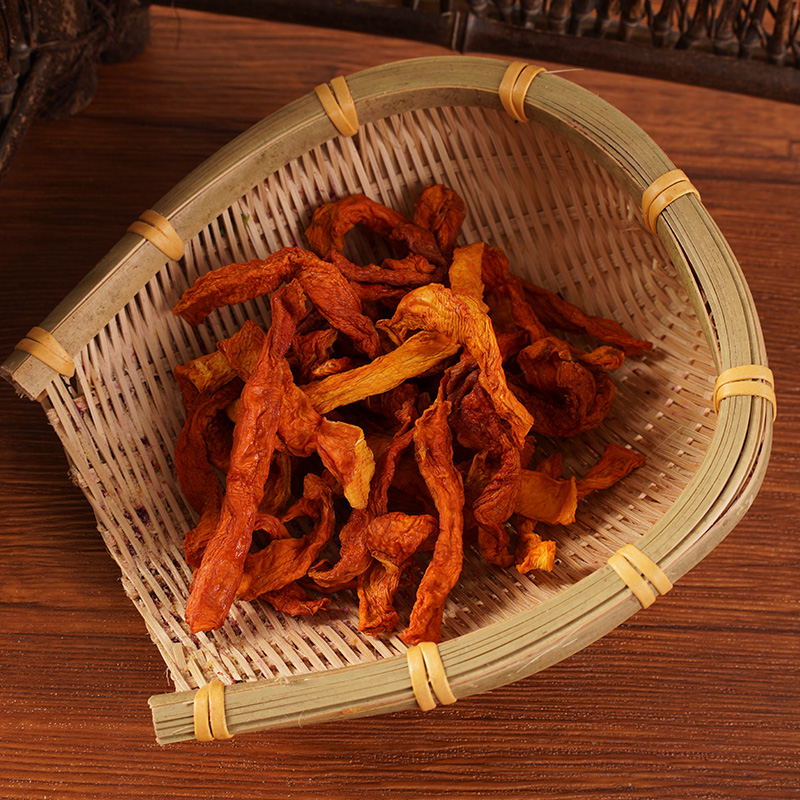
Dehydrated Pumpkin is a shelf-stable food product produced by removing the majority of water content from fresh pumpkin. Unlike pumpkin-based snacks that may contain added sugars, oils, or flavorings, this product focuses on preserving the inherent qualities of the vegetable through dehydration. This process naturally concentrates the pumpkin's flavor and nutrients, resulting in a lightweight, non-perishable ingredient. The extended shelf life of Dehydrated Pumpkin makes it a practical option for pantry storage and emergency food supplies. It serves as a versatile culinary component, easily rehydrated or incorporated directly into various dishes to contribute natural color, texture, and nutritional value, aligning with dietary preferences that seek whole food ingredients.
Detailed Introduction of Dehydrated Pumpkin
-
Ingredients & Processing: This product is made from selected fresh pumpkin, which undergoes cleaning, cutting, and a dehydration process to remove moisture while aiming to retain its natural profile.
-
Product Characteristics:
-
Nutrient Retention: The dehydration process is designed to preserve nutrients inherent in pumpkin, such as dietary fiber, vitamins (like Vitamin A), and minerals.
-
Concentrated Flavor & Color: Results in a product with intensified natural sweetness and characteristic orange hue.
-
Long Shelf Life & Storage Stability: Low moisture content inhibits microbial spoilage, allowing for long-term storage without refrigeration when properly packaged.
-
Lightweight & Compact: Reduced volume and weight make it efficient for storage and transport.
-
Primary Uses:
-
Culinary Ingredient: Can be used in soups, stews, baked goods (breads, muffins), desserts, and trail mixes. It may be rehydrated before use or added directly to dishes with sufficient cooking liquid.
-
Nutritional Supplement: Provides a plant-based source of fiber and micronutrients to meals.
-
Food Stockpiling: Suitable for inclusion in emergency or long-term food reserves due to its stability.
Comparison and Frequently Asked Questions (FAQ)
Comparison: Dehydrated Pumpkin vs. Other Pumpkin Products
Frequently Asked Questions (FAQ)
-
Q1: How does the nutritional value compare to fresh pumpkin?
A2: The dehydration process concentrates most nutrients, including fiber and certain vitamins. While some heat-sensitive nutrients like Vitamin C may be reduced, it remains a source of dietary fiber, beta-carotene (which converts to Vitamin A), and minerals.
-
Q2: How should Dehydrated Pumpkin be stored?
A3: For optimal quality, store in an airtight container in a cool, dark, and dry place. This helps maintain its color, flavor, and shelf life.
-
Q3: How is Dehydrated Pumpkin used in cooking?
A4: It can be rehydrated by soaking in water or broth before use. Alternatively, it can be added directly to soups, stews, or baked goods where it will absorb moisture during cooking. As a powder, it can be blended into smoothies or used as a natural coloring/flavoring agent.
-
Q4: Is Dehydrated Pumpkin suitable for specific dietary needs?
A5: Plain Dehydrated Pumpkin is typically a single-ingredient, plant-based food. It is naturally gluten-free and can be part of various diets. Its fiber content may be beneficial for digestive health. Individuals with specific health conditions or dietary restrictions should review the product label or consult with a healthcare provider.


 English
 русский
 日本語
日本語 한국어
한국어 中文简体
中文简体


![{$v2['title']](/template/en/images/a-icons.png)