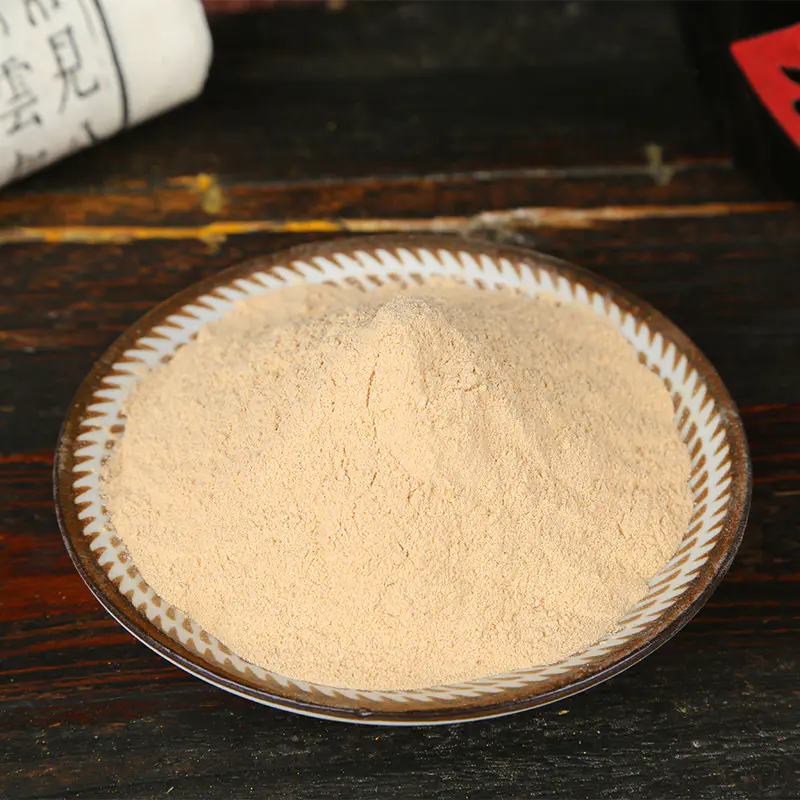
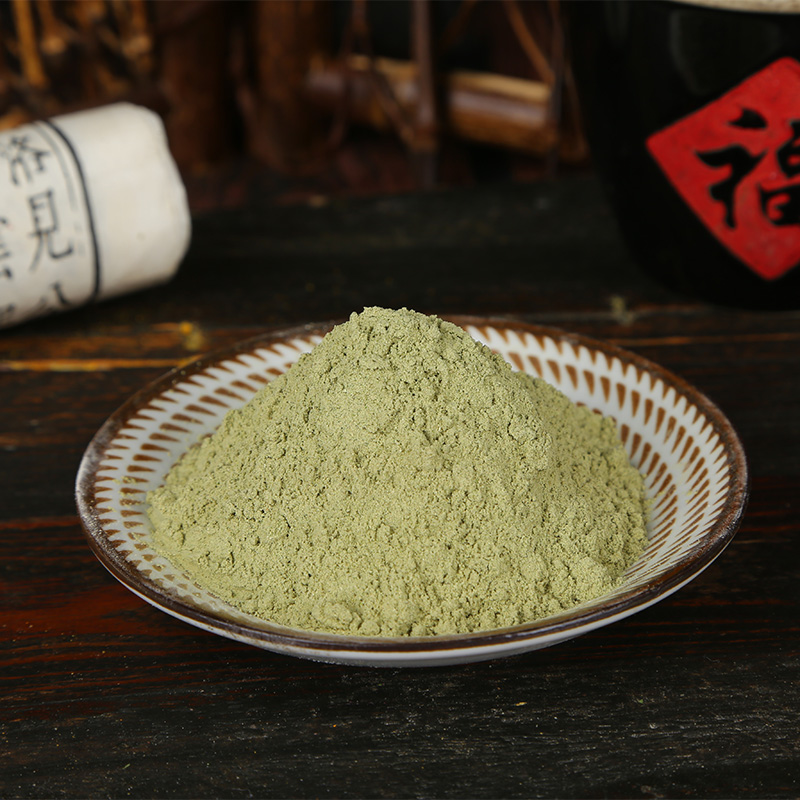
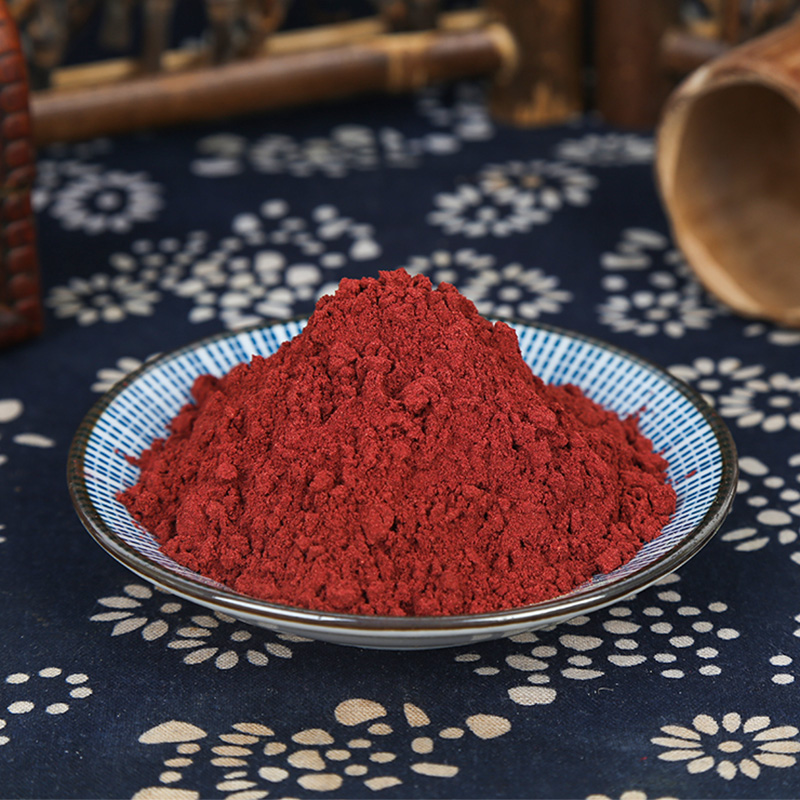
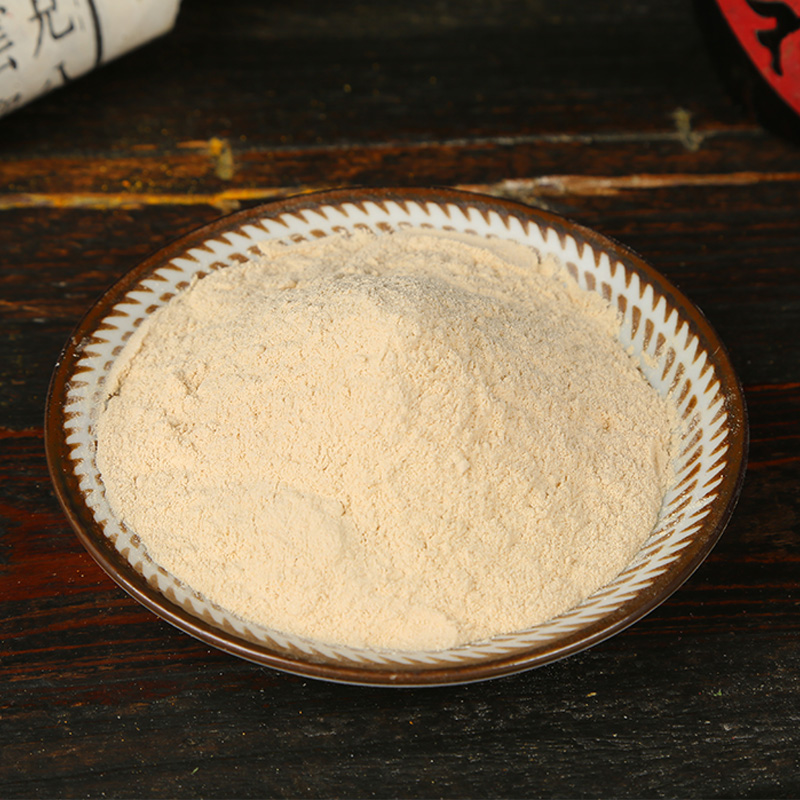
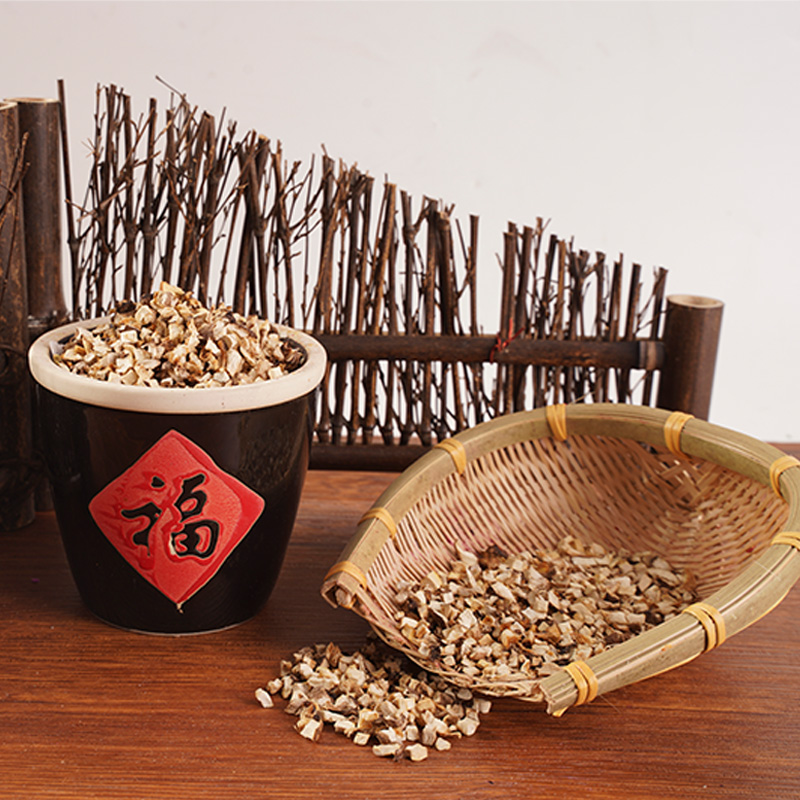
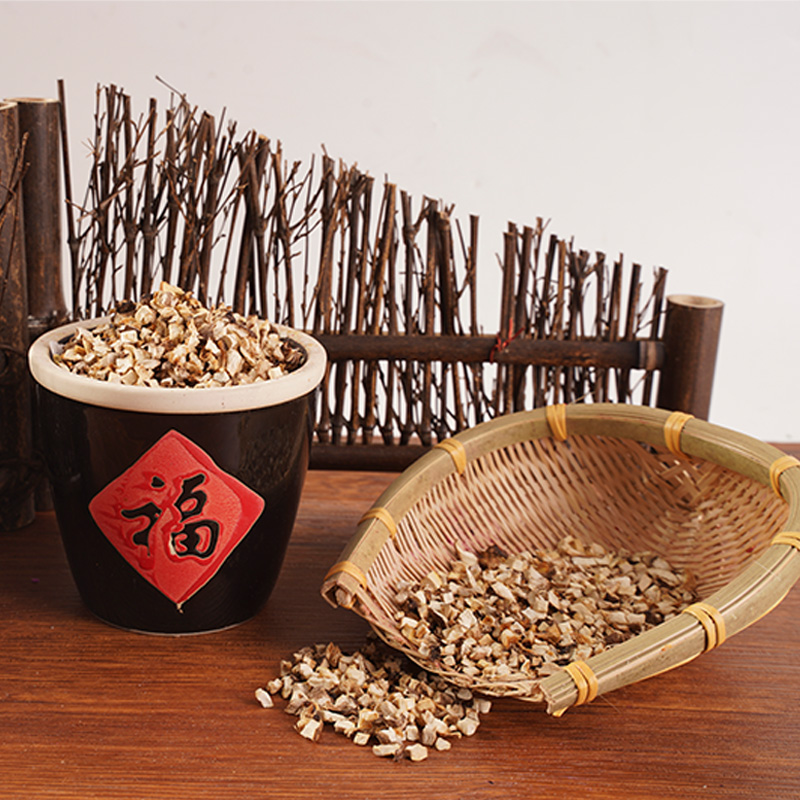
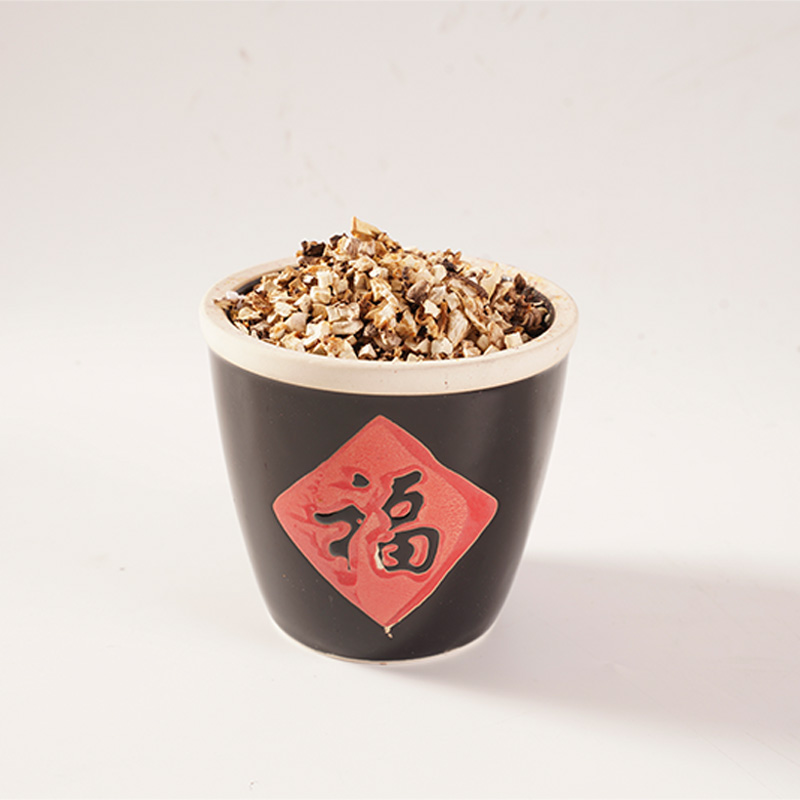
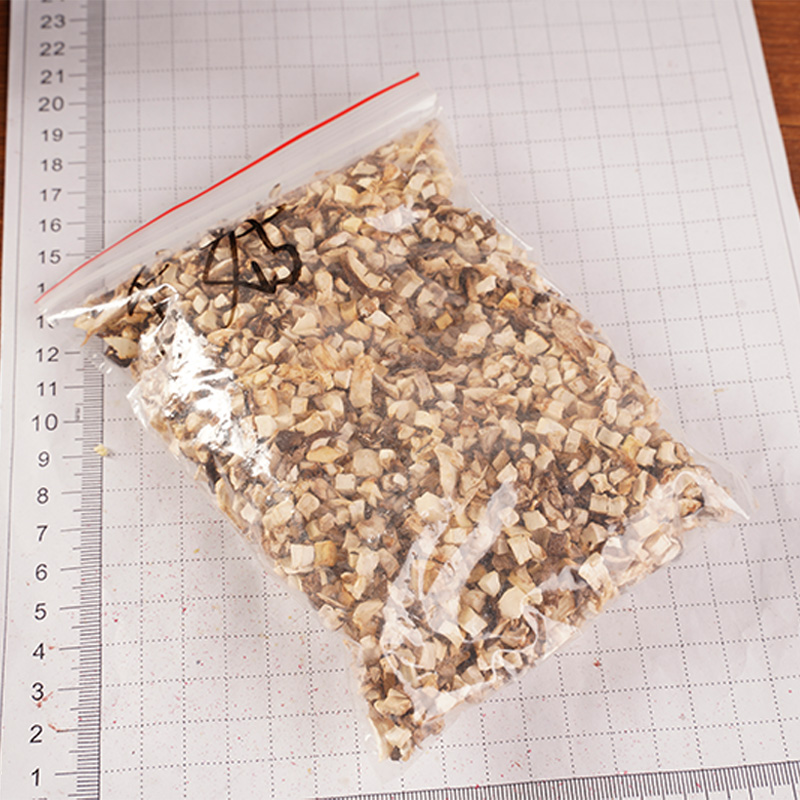
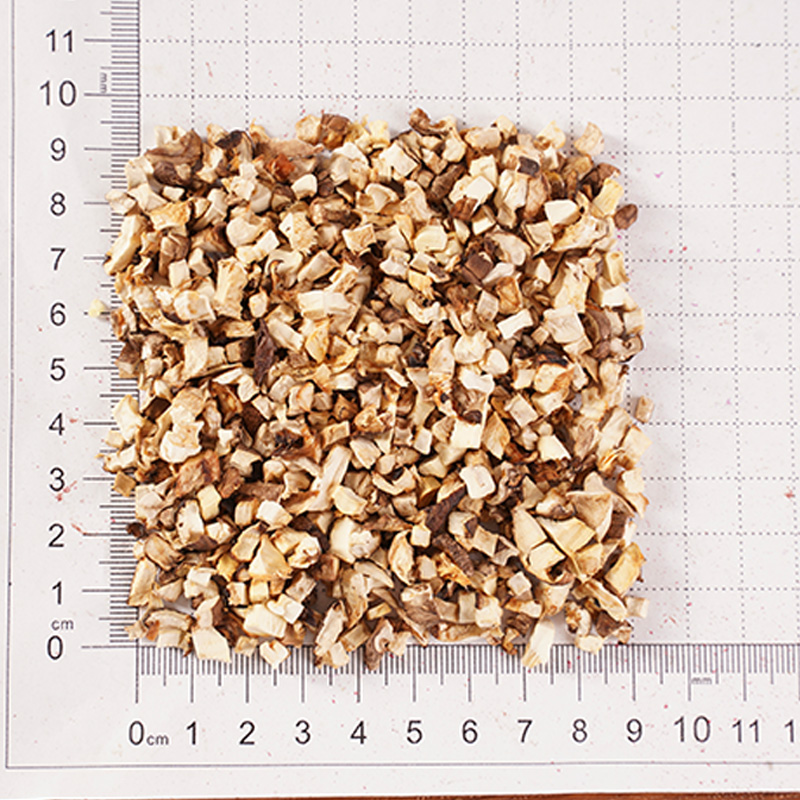
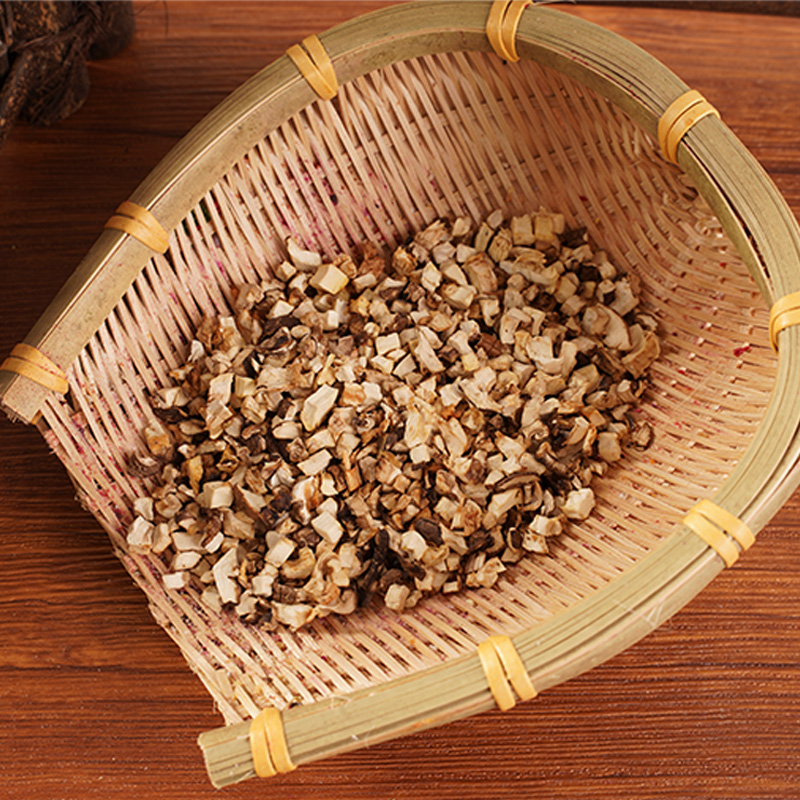
Dehydrated Shiitake Mushroom is a type of fungal food characterized by high protein, low fat, multiple amino acids, and multiple vitamins. Compared to other dehydrated mushroom products (such as oyster or button mushrooms), Dehydrated Shiitake Mushroom stands out for its distinct umami flavor and higher lentinan content, a polysaccharide associated with health benefits. The product is rich in vitamin D, which aids the body in calcium absorption, and retains various beneficial nutrients and medicinal value. In terms of transportation and preservation, its dehydrated form makes it lightweight, durable, and extends its shelf life. As an important commodity in both northern and southern regions, Dehydrated Shiitake Mushroom is widely used in Chinese cuisine, such as soups, stews, and stir-fries, forming an integral part of a healthy diet. Its characteristics also include retaining a meaty texture after rehydration, making it suitable for vegetarian dishes and enhancing culinary versatility.
Appealing Features:
Dehydrated Shiitake Mushroom retains most of its nutritional components during the dehydration process, including essential amino acids, B vitamins, and minerals. The ergosterol it contains can convert to vitamin D under light exposure, supporting bone health. After rehydration, the product exhibits a savory flavor and firm texture, often used to enhance the taste of dishes.
Characteristics:
-
Nutritional Profile: High in protein, low in fat, providing multiple amino acids and vitamins, such as B vitamins and vitamin D.
-
Physical Properties: Lightweight and compact when dehydrated, facilitating long-term storage and transportation; rehydration typically takes 20-30 minutes.
-
Flavor: Possesses a unique umami taste, suitable as a flavor base or main ingredient.
Uses:
-
Culinary Applications: Used in soup bases, stews, stir-fries, braised dishes, and vegetarian cuisine to enhance depth and nutrition.
-
Healthy Diet: Serves as a low-calorie, high-fiber ingredient incorporated into daily meals.
-
Medicinal Value: Traditionally associated with functions such as supporting immune health.
Comparison:
Compared to other dehydrated mushrooms (such as white mushrooms or oyster mushrooms), Dehydrated Shiitake Mushroom differs in the following aspects:
-
Flavor: Richer umami, suitable for dishes requiring a pronounced savory taste.
-
Nutritional Content: Higher lentinan content, a bioactive compound less common in other mushrooms.
-
Vitamin D Precursor: Richer in ergosterol, with potentially higher conversion efficiency under light exposure.
-
Texture: Firmer texture after rehydration, suitable for prolonged cooking without easily breaking apart.
All dehydrated mushrooms share advantages like high protein and low fat, but Dehydrated Shiitake Mushroom offers uniqueness in specific nutrients and flavor.
FAQ:
-
Q: How should Dehydrated Shiitake Mushroom be stored?
A: Store in a cool, dry place away from direct sunlight to maintain quality for up to a year or longer.
-
Q: How to rehydrate Dehydrated Shiitake Mushroom?
A: Soak in cold water for 20-30 minutes, or use warm water to shorten the time, until softened. The soaking water can also be used as broth.
-
Q: What is the nutritional value of this product?
A: Provides protein, vitamin D, amino acids, and minerals, helping to meet daily nutritional needs.
-
Q: What dietary needs is it suitable for?
A: Suitable for vegetarian, low-fat, and healthy diets, but should be avoided by those allergic to mushrooms.
-
Q: Can it replace fresh shiitake mushrooms in cooking?
A: Yes, but the dehydrated form has a more concentrated flavor, requiring adjustment in quantity and cooking time.
-
Q: Does it contain additives or preservatives?
A: Pure dehydrated products typically have no additives; check the product label for confirmation.


 English
 русский
 日本語
日本語 한국어
한국어 中文简体
中文简体


![{$v2['title']](/template/en/images/a-icons.png)