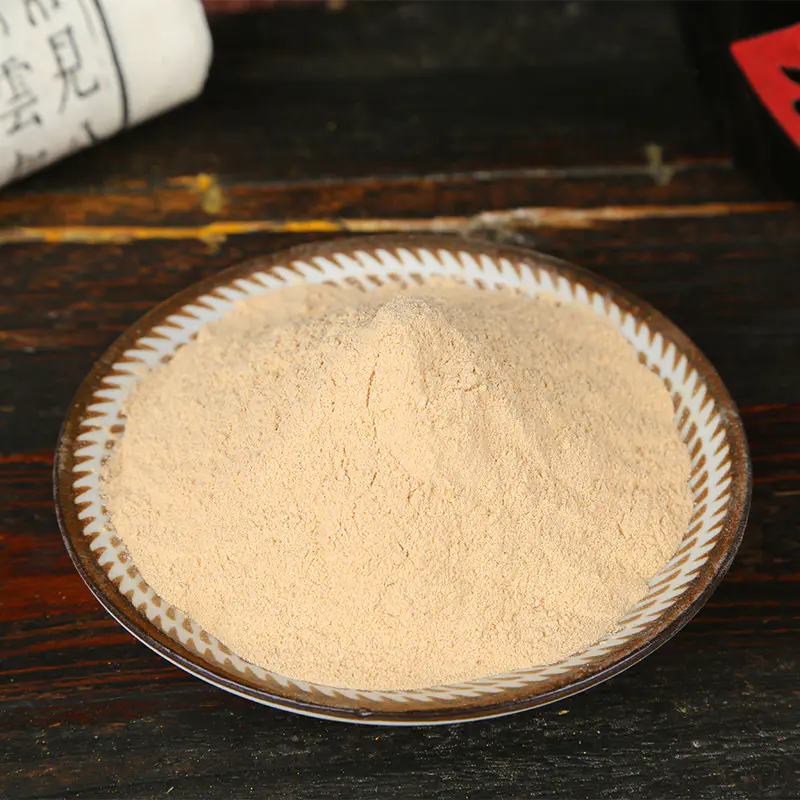
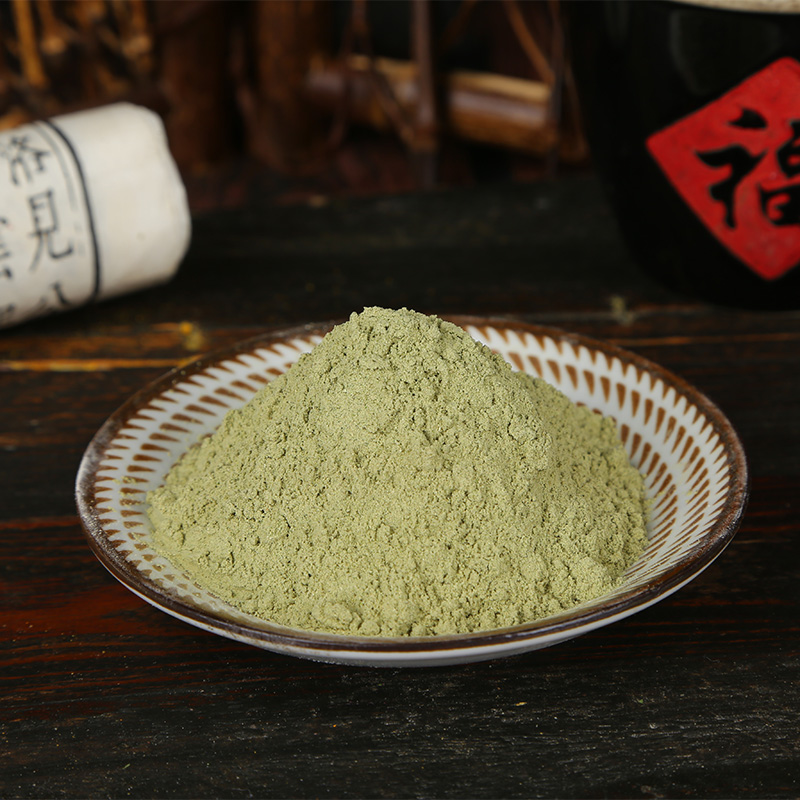
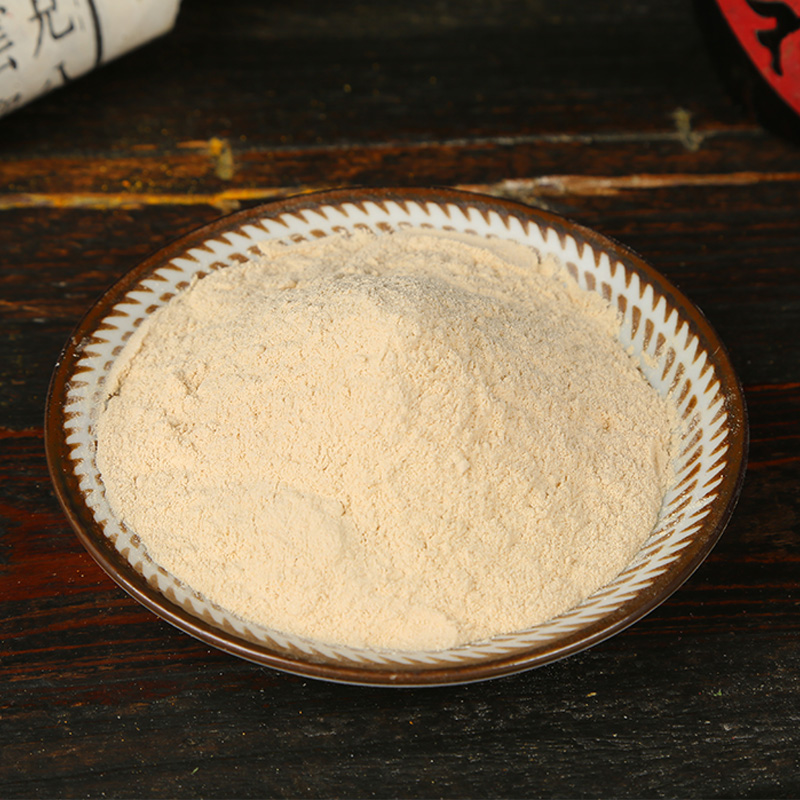
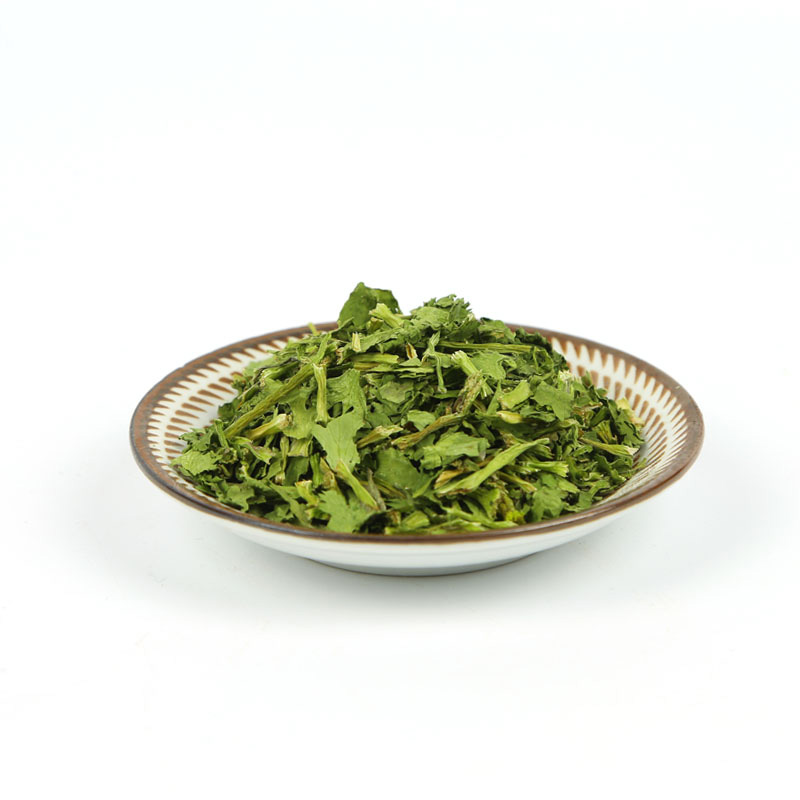
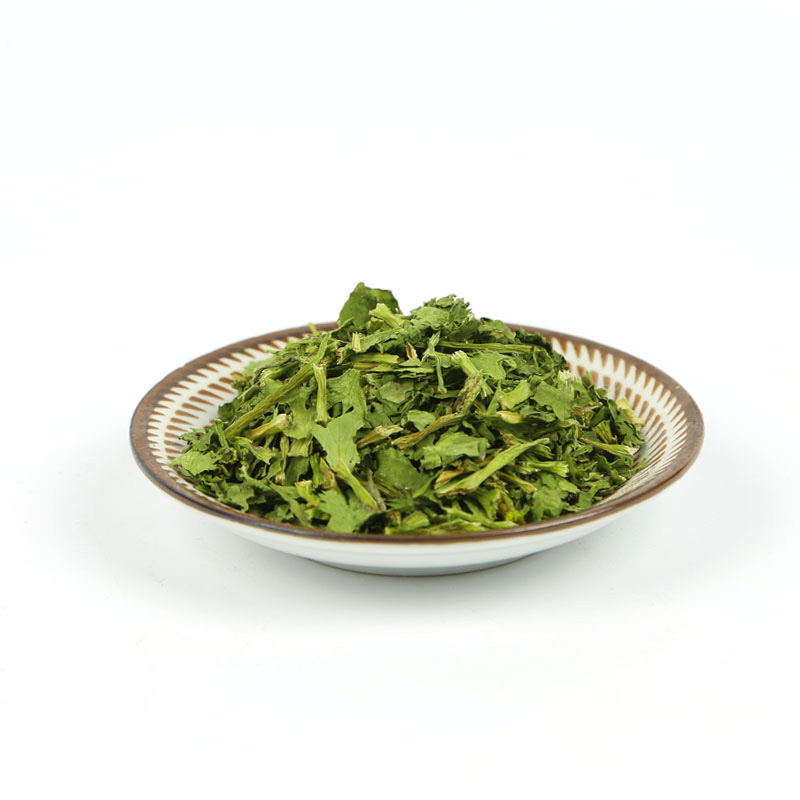
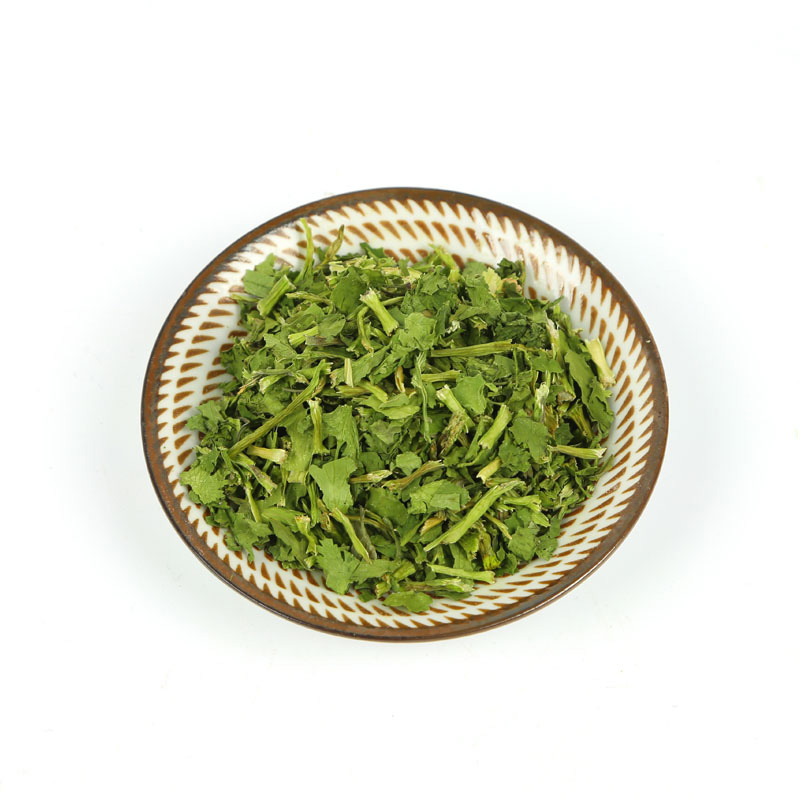
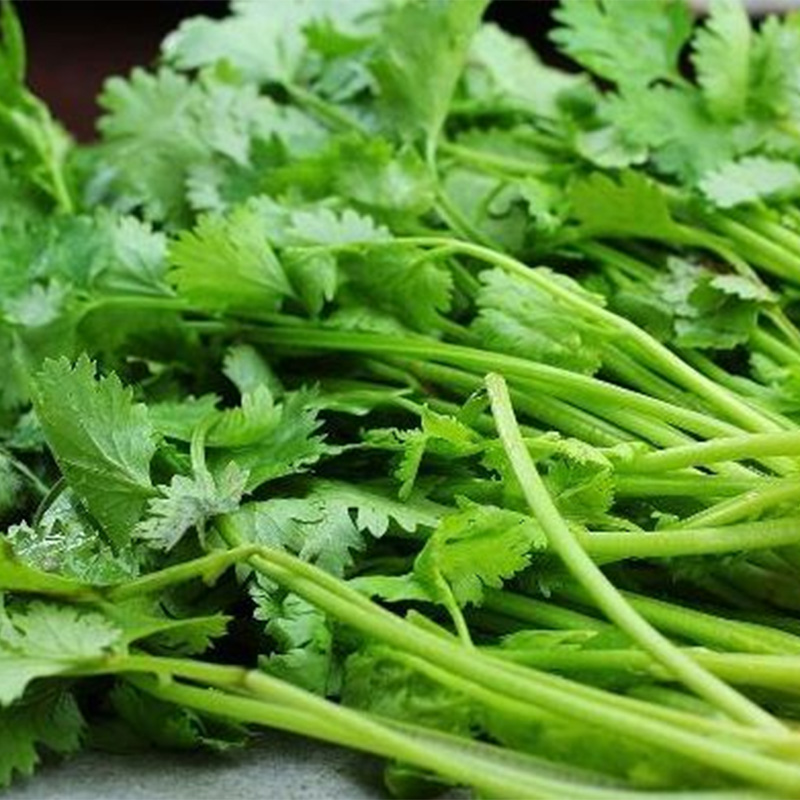
Dehydrated Coriander, also known as dehydrated cilantro, is a herbal spice processed through modern dehydration technology. Compared to fresh coriander, dehydrated coriander offers a longer shelf life and convenient storage and transportation properties, solving the problem of fresh herbs being prone to spoilage. In contrast to some products processed using high-temperature drying methods, dehydrated coriander produced with low-temperature dehydration techniques can more effectively lock in its natural color, aroma, and some nutritional components. This product form allows consumers in off-seasons or distant regions easy access to the flavor of coriander. Dehydrated coriander often requires rehydration before use or can be directly ground into powder, providing a stable and easily standardized seasoning option for the food industry and home cooking. It is widely used in various food processing applications, including soups, sauces, and prepared dishes.
-
Flavor Preservation: Specific dehydration processes aim to maximally retain the fresh aroma and characteristic flavor of coriander itself.
-
Convenience & Stability: The product is in a dry state, requires no refrigeration, facilitates long-term storage and transport, and offers stable flavor, ensuring supply is not limited by season or geography.
-
Various Forms: Commonly supplied as flakes or powder, meeting the need for different spice forms in various dishes.
-
Functional Properties: Coriander itself contains various natural compounds. The dehydration process concentrates some of its components.
Primary Uses:
-
Cooking & Seasoning: Suitable for stir-fries, stews, soup bases, providing foundational aroma to dishes.
-
Food Processing: Used as a standardized seasoning in composite seasoning packets, instant noodle flavorings, frozen foods, meat processing, sauces (e.g., salad dressings, chutneys), and for flavor enhancement in snacks (e.g., chips, crackers).
-
Culinary Applications: Used in cold dishes, dips, as a garnish supplement, and for providing consistent flavoring in central kitchen operations for unified meal preparation.
-
Other Processing: Can serve as an ingredient for herbal teas or in certain specific formulated products.
Comparison & FAQ
Dehydrated Coriander vs. Fresh Coriander
FAQ
Q1: How should dehydrated coriander be used correctly in cooking?
A1: For soups, stews, and sauces, it can be added directly at the beginning of cooking to allow sufficient time for flavor release. For cold dishes or final seasoning, it's recommended to briefly rehydrate with a small amount of warm water or broth first. It can also be ground directly into powder for use in dips or marinades.
Q2: Is the nutritional value of dehydrated coriander completely lost?
A2: The dehydration process leads to the loss of some heat-sensitive vitamins (e.g., Vitamin C). However, its dietary fiber, minerals, and some antioxidants and flavor compounds are retained. Its primary value lies in providing flavor and convenience for food applications.
Q3: How should the product be stored?
A3: It should be placed in a sealed container and stored in a cool, dry, dark place. After opening, it should be used promptly or tightly resealed to prevent moisture absorption (which can cause softening) and loss of aroma.
Q4: Can dehydrated coriander completely replace fresh coriander?
A4: It can serve as a substitute in providing the core flavor, especially in heated dishes. However, for occasions requiring a crisp texture, bright green color, or final garnish, fresh coriander is irreplaceable. The two can be chosen or combined based on actual needs.


 English
 русский
 日本語
日本語 한국어
한국어 中文简体
中文简体


![{$v2['title']](/template/en/images/a-icons.png)