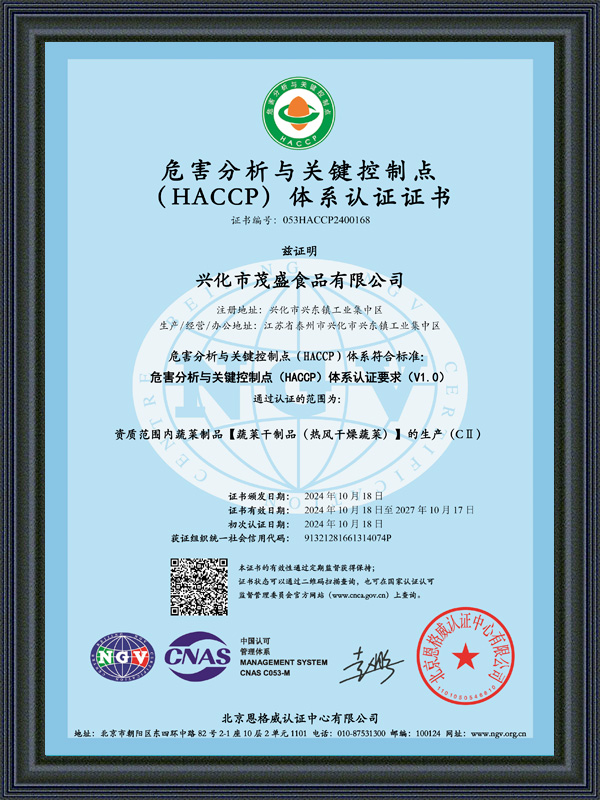
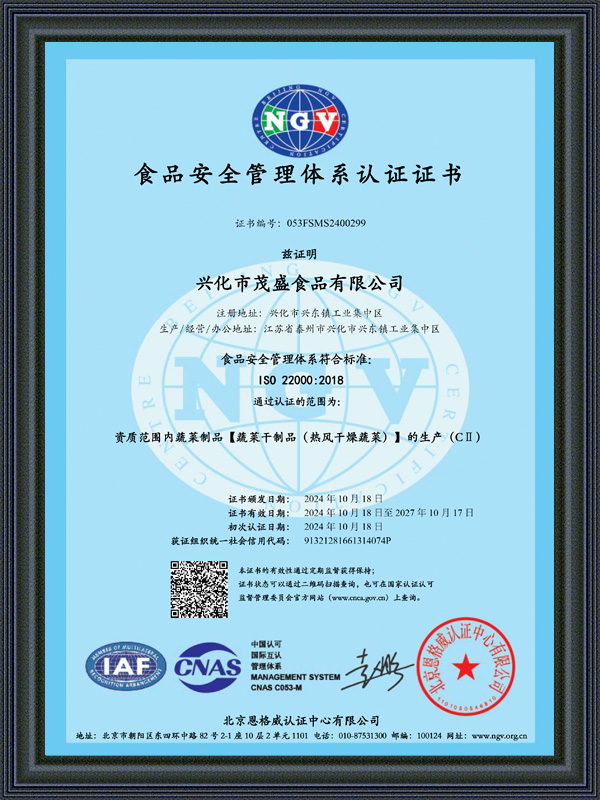
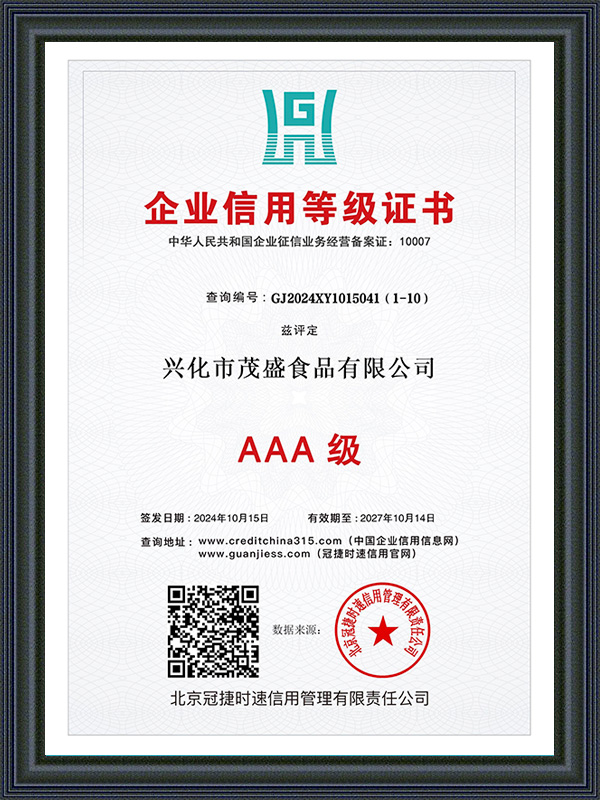
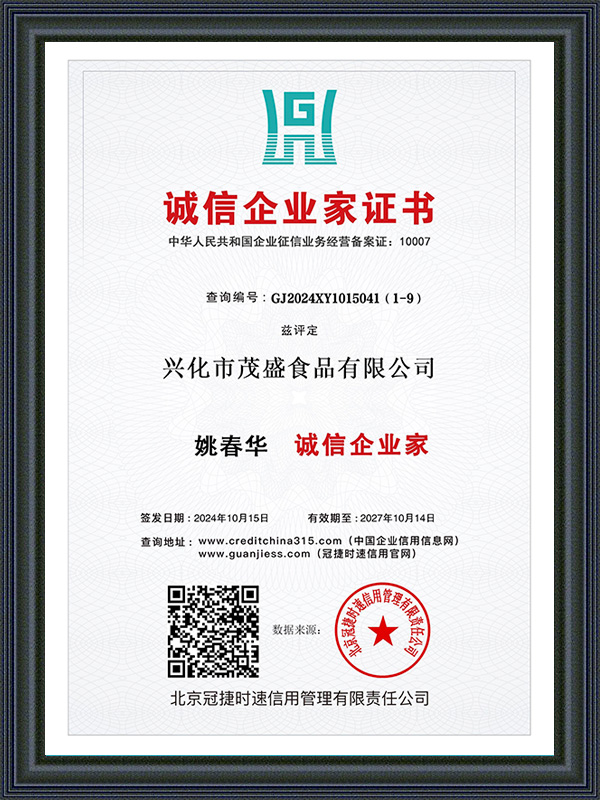
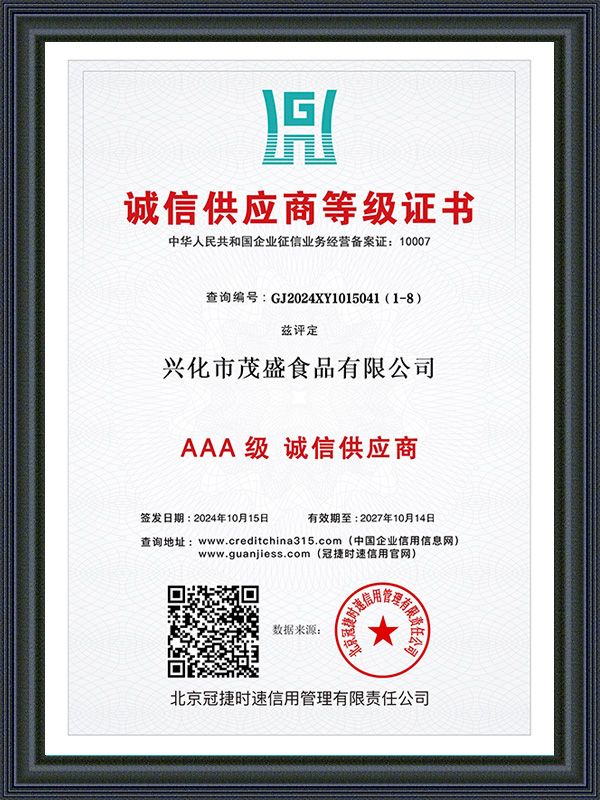
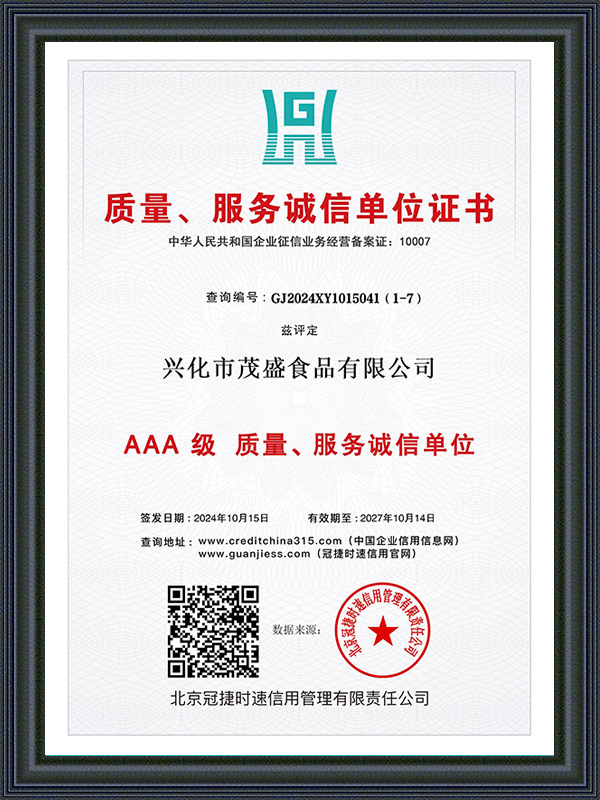
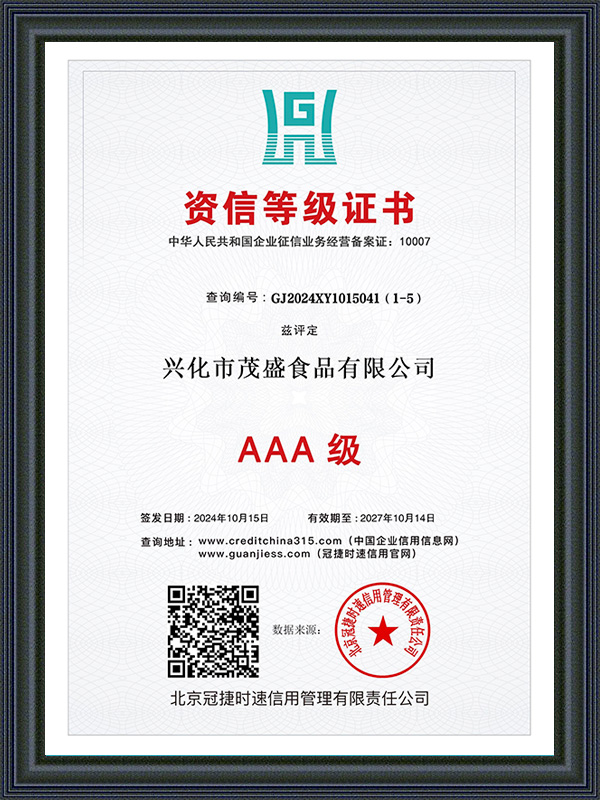
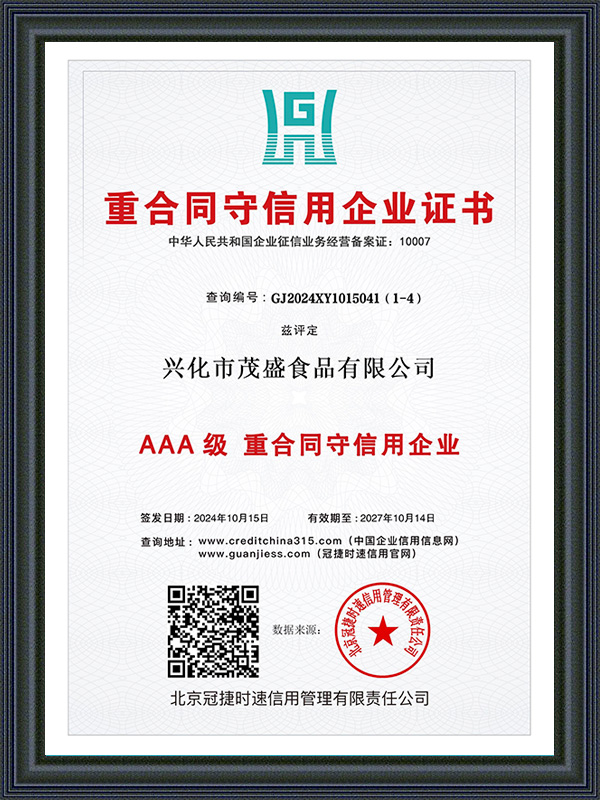
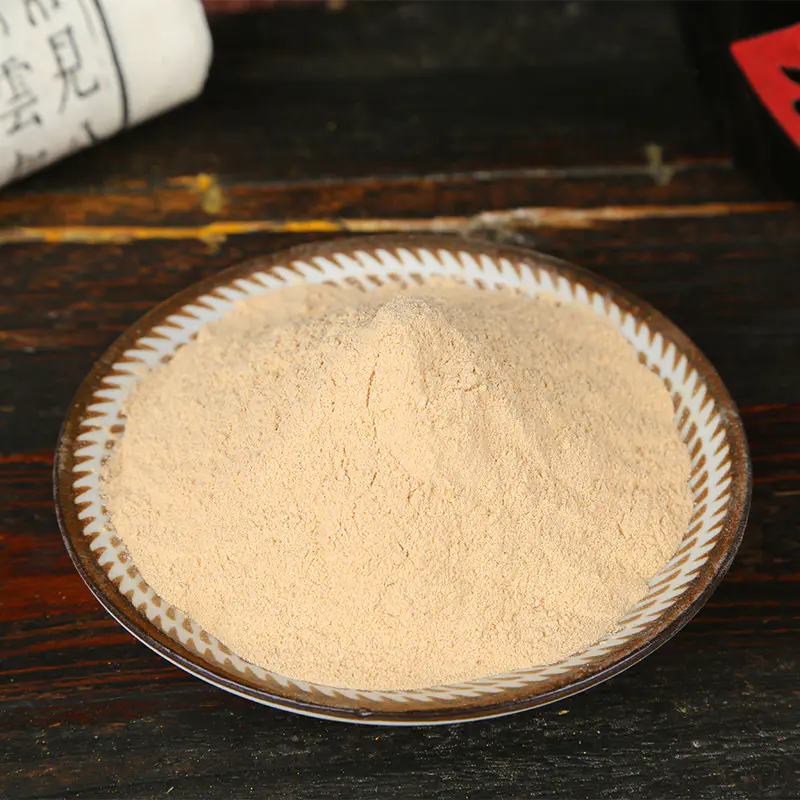
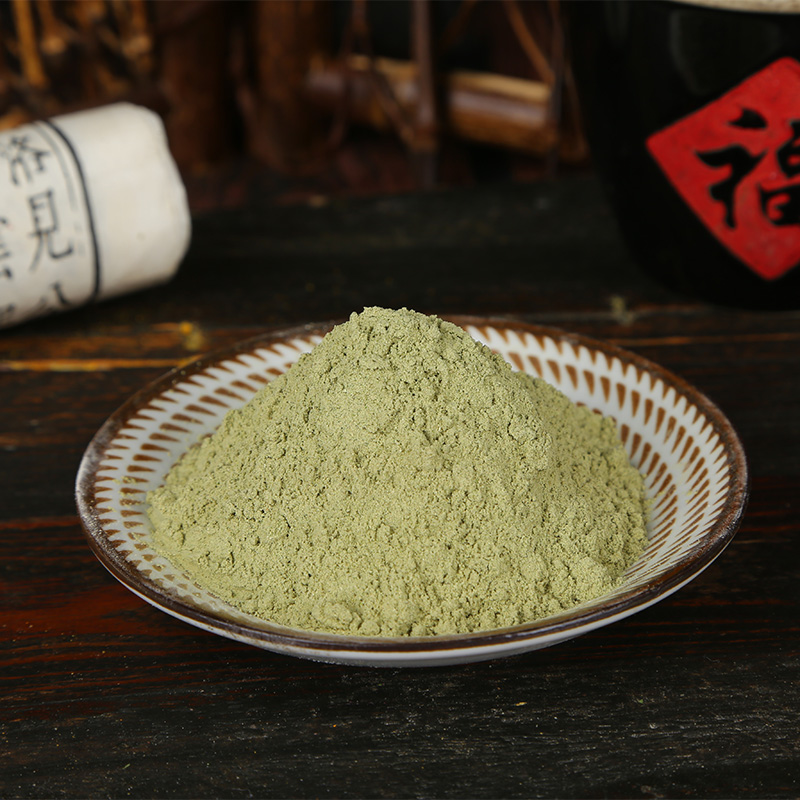
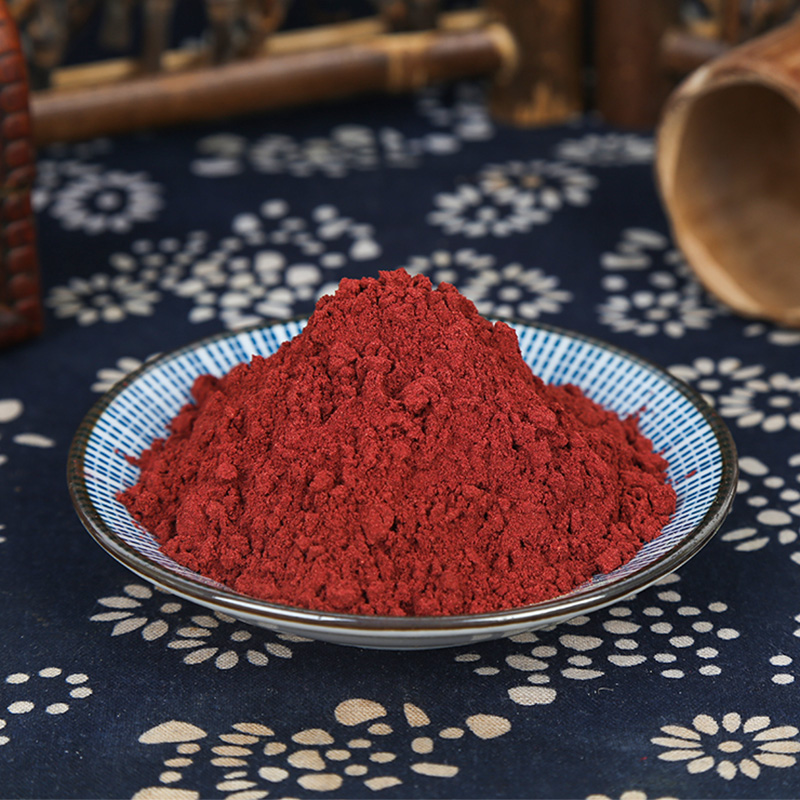
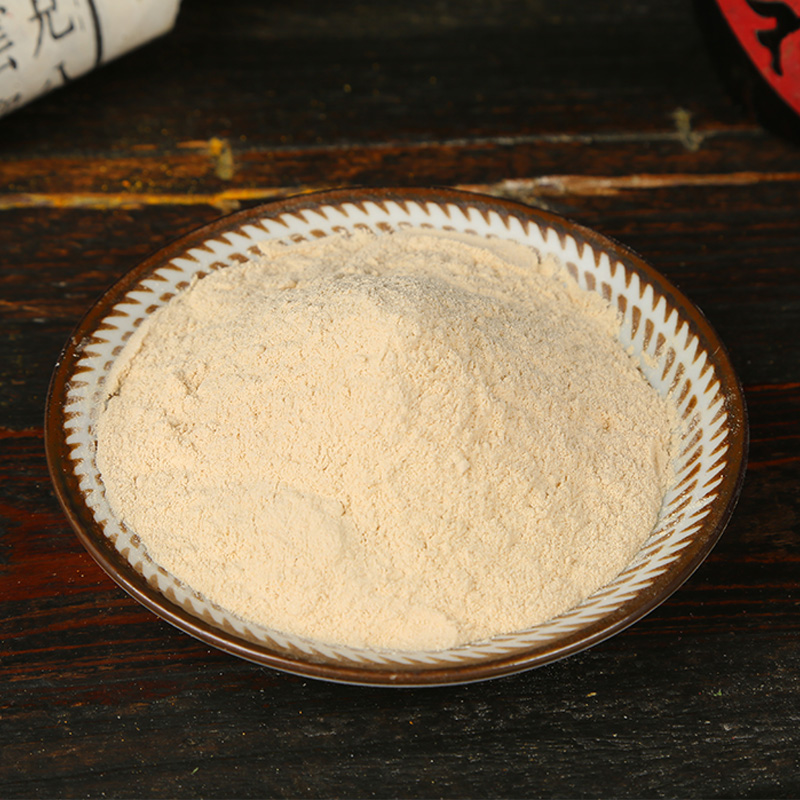
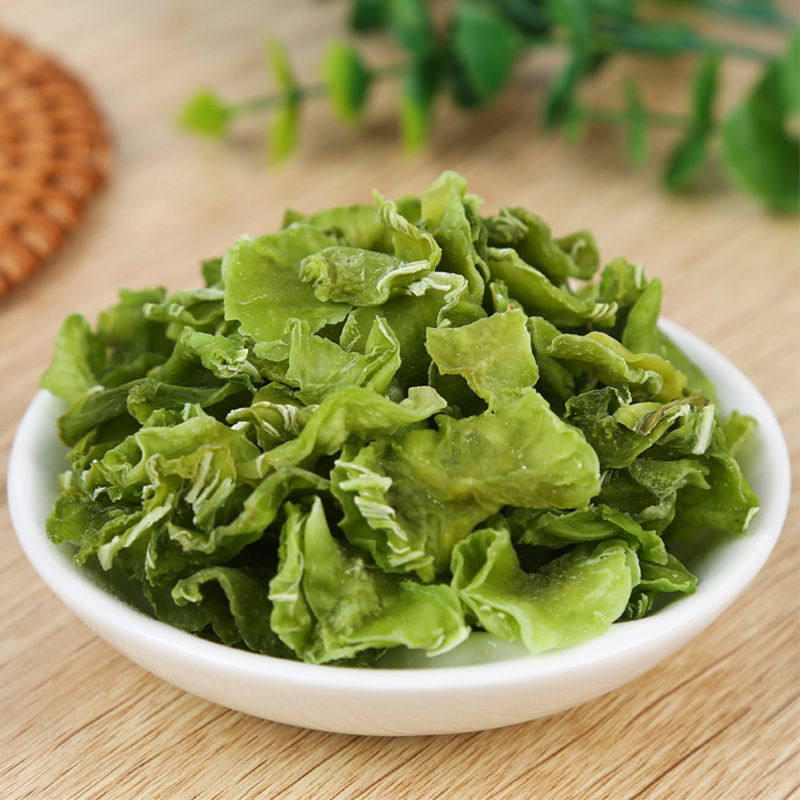
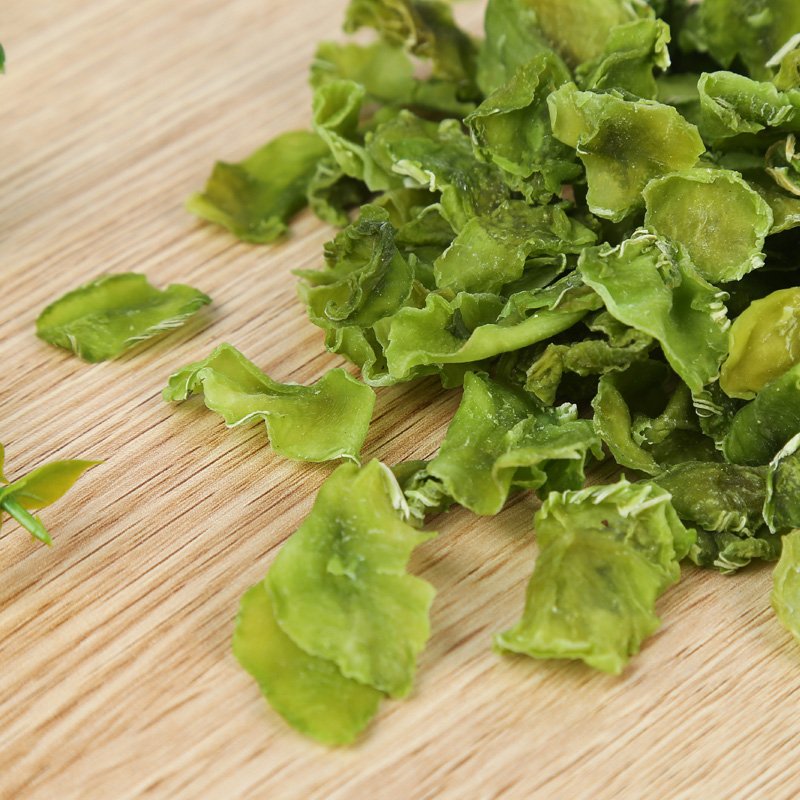
Dehydrated Lettuce is produced using dehydration technology, which removes moisture while retaining components such as vitamins A, C, K, chlorophyll, and minerals. Its physical form is often flake or powder, making it easy to transport and store. It can be kept long-term in cool, dry conditions without spoiling. The product has diverse applications: it can be consumed directly as a snack or rehydrated for use in salads, soups, stir-fries, and other dishes. In the food industry, it is a common ingredient in functional foods, suitable for developing products aimed at weight management, children's nutrition, or convenient meals. The dehydration process reduces water activity, extends shelf life, and maintains a nutritional profile similar to fresh lettuce, making it suitable for outdoor activities, emergency supplies, or daily dietary supplementation.
Comparison Table
| Feature |
Dehydrated Lettuce |
Fresh Lettuce |
| Shelf Life |
Up to 1–2 years, no refrigeration required |
Several days to weeks, requires refrigeration |
| Portability |
Lightweight, shelf-stable, no cold chain needed |
Prone to damage, often requires cold chain logistics |
| Nutrient Retention |
Retains most vitamins and chlorophyll; relatively high nutritional value |
Complete nutrients, but may degrade over time or under poor storage |
| Storage Conditions |
Cool, dry place |
Low-temperature refrigeration |
| Primary Uses |
Functional foods, long-term reserves, snacks, rehydrated cooking |
Direct consumption, fresh cooking |
| Seasonal Impact |
Not season-dependent, available year-round |
Subject to growing seasons and regional availability, may face shortages |
Frequently Asked Questions (FAQ)
Q: Is the nutritional value of Dehydrated Lettuce the same as fresh lettuce?
A: Dehydrated Lettuce retains most nutrients, such as vitamins and chlorophyll, during processing, offering relatively high nutritional value. However, some water-soluble vitamins may slightly decrease due to dehydration. Overall, its nutritional composition is similar to that of fresh lettuce.
Q: How is Dehydrated Lettuce consumed?
A: Dehydrated Lettuce can be eaten directly as a dry snack or rehydrated (by soaking in water) for use in salads, soups, stir-fries, and other dishes. In food manufacturing, it is often added in powder or flake form to nutritional or functional products.
Q: What is the shelf life and storage method for Dehydrated Lettuce?
A: When stored in a cool, dry, and dark environment, Dehydrated Lettuce can have a shelf life of 1–2 years. After opening, it is recommended to keep it sealed to prevent moisture absorption and spoilage.
Q: Who is Dehydrated Lettuce suitable for?
A: Dehydrated Lettuce is suitable for those who need a convenient vegetable source, such as outdoor enthusiasts, busy households, and individuals with specific dietary needs (e.g., weight management or children's nutrition). It is also used by food manufacturers in developing functional products.
Q: What are the advantages of Dehydrated Lettuce compared to frozen lettuce?
A: Dehydrated Lettuce does not require frozen storage, is more lightweight, and has a longer shelf life, making it suitable for long-term reserves and transportation. In contrast, frozen lettuce requires a cold chain, occupies more space, and may undergo texture changes after thawing.


 English
 русский
 日本語
日本語 한국어
한국어 中文简体
中文简体


![{$v2['title']](/template/en/images/a-icons.png)