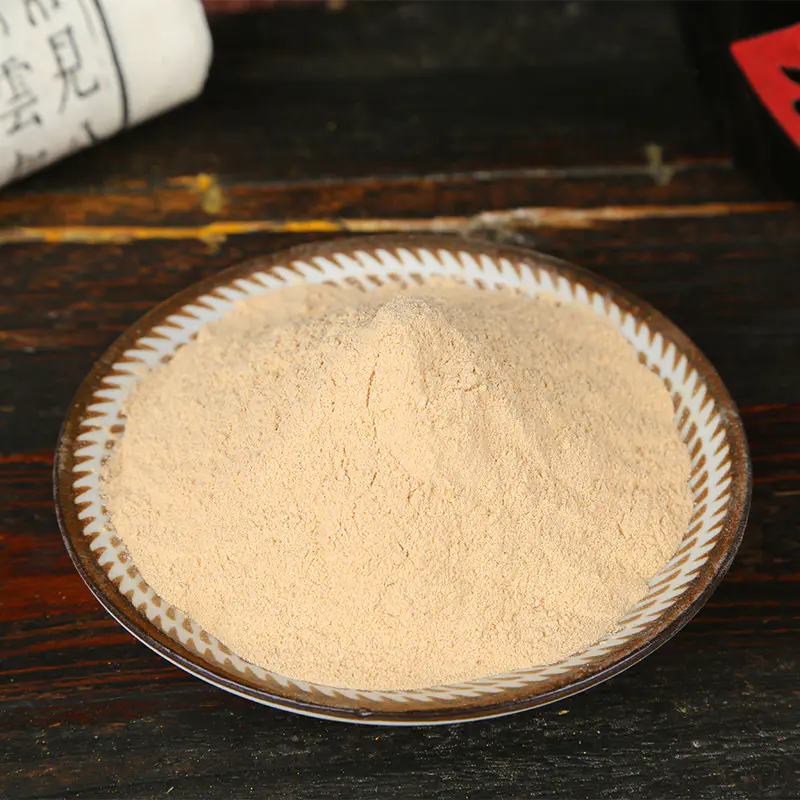
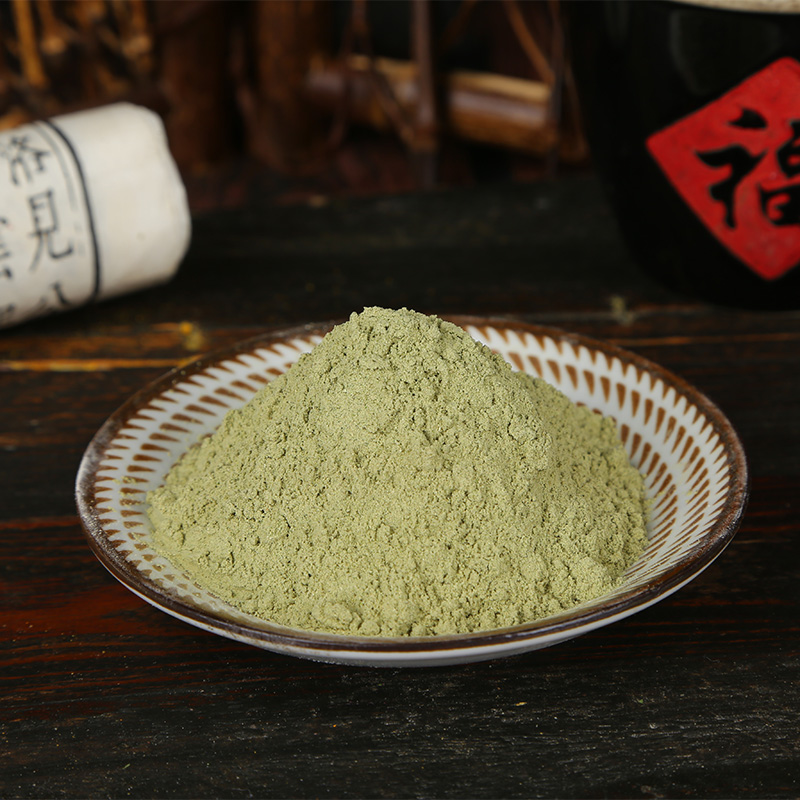
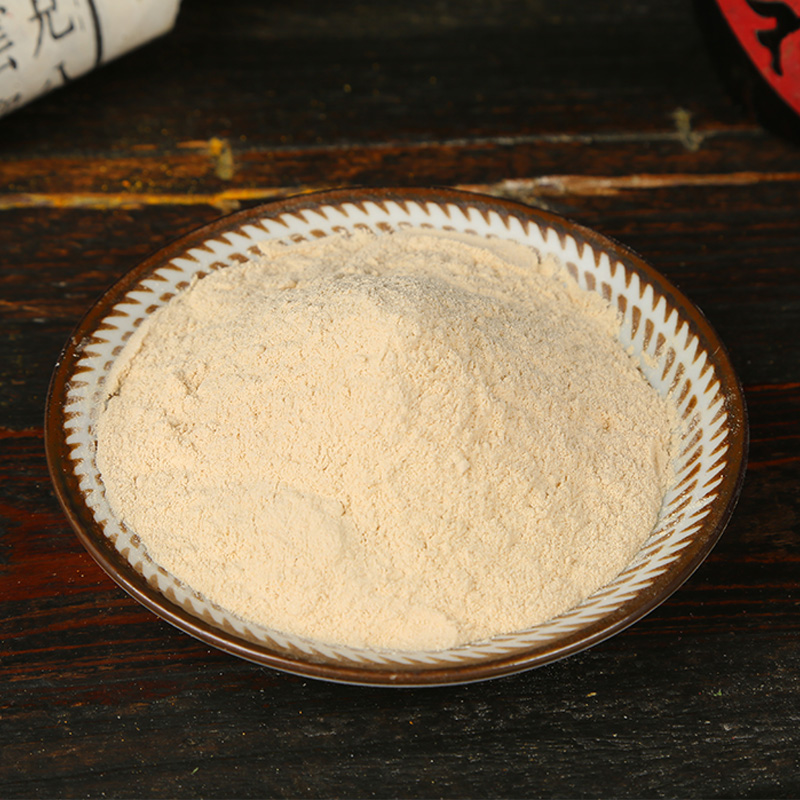
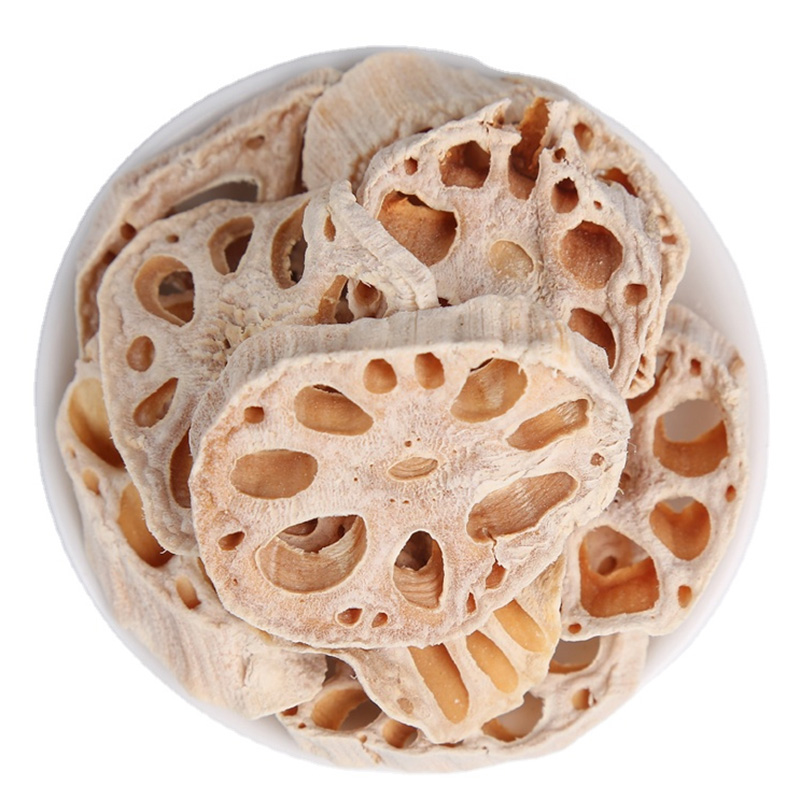
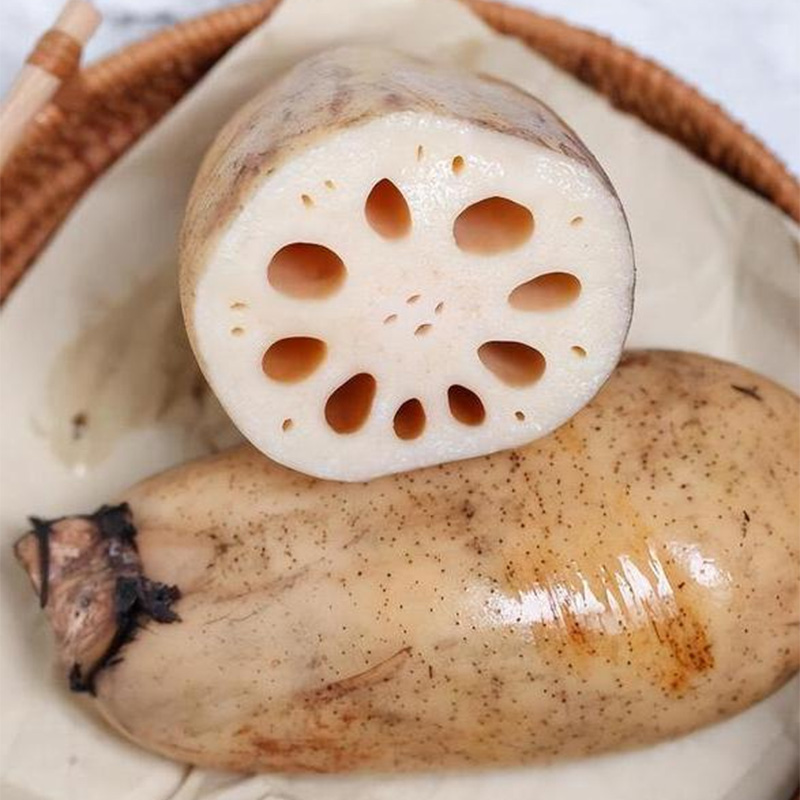
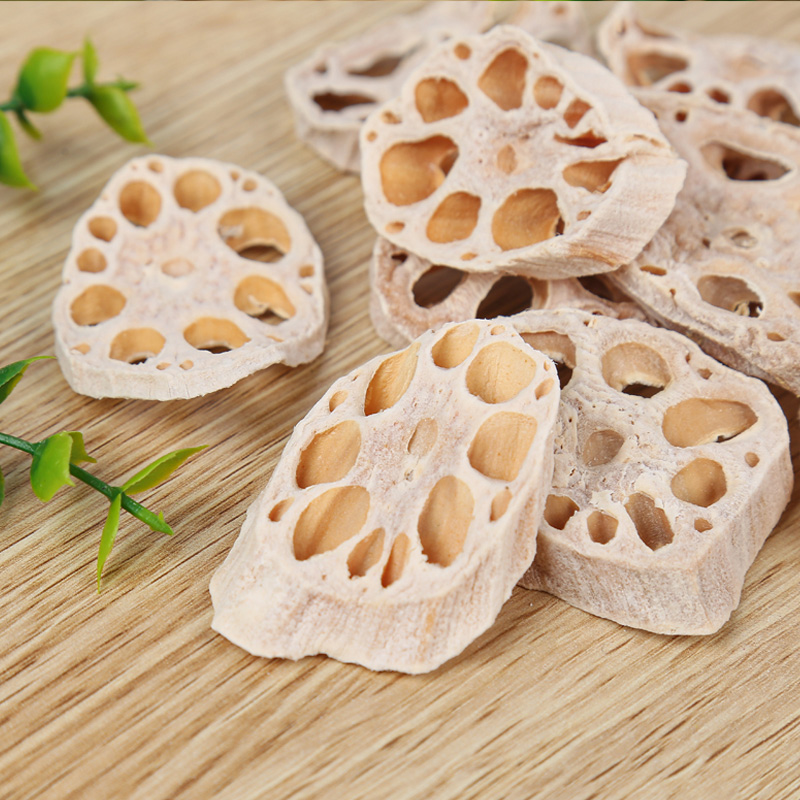
Dehydrated lotus root slices are dried products made from fresh lotus root slices through a dehydration process. Compared to similar dehydrated vegetable products or fresh lotus root, the key advantage of Dehydrated Lotus Root lies in its ability to retain core nutrients while significantly enhancing product stability and convenience. Unlike fresh lotus root, which has strict requirements for storage temperature and time, dehydrated lotus root slices can be stored long-term at room temperature without spoiling, and their volume and weight are greatly reduced, making them easy to transport and carry. Furthermore, compared to some heavily seasoned or processed snacks, dehydrated lotus root slices are typically produced using physical dehydration methods, staying closer to the natural flavor and form of the raw ingredient, offering consumers a purer, longer-shelf-life food option for cooking or snacking.
Key Attractions and Features:
-
Nutrient Retention: The dehydration process aims to remove most of the moisture from fresh lotus root slices while preserving various nutrients such as protein, starch, carbohydrates, dietary fiber, vitamins (like Vitamin C), and minerals (like iron).
-
Functional Properties: The dietary fiber contained in the product aids in promoting gastrointestinal motility. Components such as Vitamin C and iron play roles in maintaining normal bodily functions. Lotus root itself is traditionally associated with properties such as clearing heat and staunching bleeding.
-
Physical Characteristics: The product has a dry, hard, and crisp texture. It can regain some softness after soaking in water, making it suitable for various cooking applications.
-
Convenience: It features shelf-stable storage and easy portability, without requiring refrigeration, making it suitable for household pantry storage, outdoor activities, or travel.
Primary Uses:
-
Direct Consumption: Can be eaten directly as a ready-to-eat snack.
-
Cooking Ingredient: After soaking and rehydrating, it can be used in soups, stews, congee, or stir-fries to add flavor and texture to dishes.
-
Beverage Addition: Can be used as an ingredient for brewing herbal tea or making other beverages.
Common Comparisons and FAQs
Q1: What is the nutritional difference between dehydrated lotus root slices and fresh lotus root?
A1: Dehydrated lotus root slices concentrate most of the solid nutrients found in fresh lotus root, such as dietary fiber, minerals, and some vitamins. However, due to the dehydration process (especially hot-air drying), some heat-sensitive nutrients (like some Vitamin C) may experience a degree of loss. Its primary advantages are convenience and stability in storage.
Q2: How are dehydrated lotus root slices different from deep-fried lotus root chips?
A2: The main differences lie in the processing method and final product composition. Dehydrated lotus root slices are made primarily by removing water, usually with little to no seasoning added, resulting in an extremely low-fat product. Deep-fried lotus root chips are cooked in oil at high temperatures, where moisture is replaced by fat, resulting in a product high in fat and with a crispy texture, representing a different flavor profile.
Q3: How should dehydrated lotus root slices be stored?
A3: They should be stored sealed in a cool, dry, and well-ventilated place, away from direct sunlight and damp environments. After opening, consume quickly or reseal tightly to prevent the product from absorbing moisture and becoming soft.
Q4: How should dehydrated lotus root slices be prepared before cooking?
A4: For cooking, it is recommended to soak them in clean water for a period to allow them to fully absorb water and soften, before proceeding with normal cooking methods such as boiling, stewing, or stir-frying. Soaking time can be adjusted based on slice thickness and desired texture. No preparation is needed when consuming directly as a snack.


 English
 русский
 日本語
日本語 한국어
한국어 中文简体
中文简体


![{$v2['title']](/template/en/images/a-icons.png)