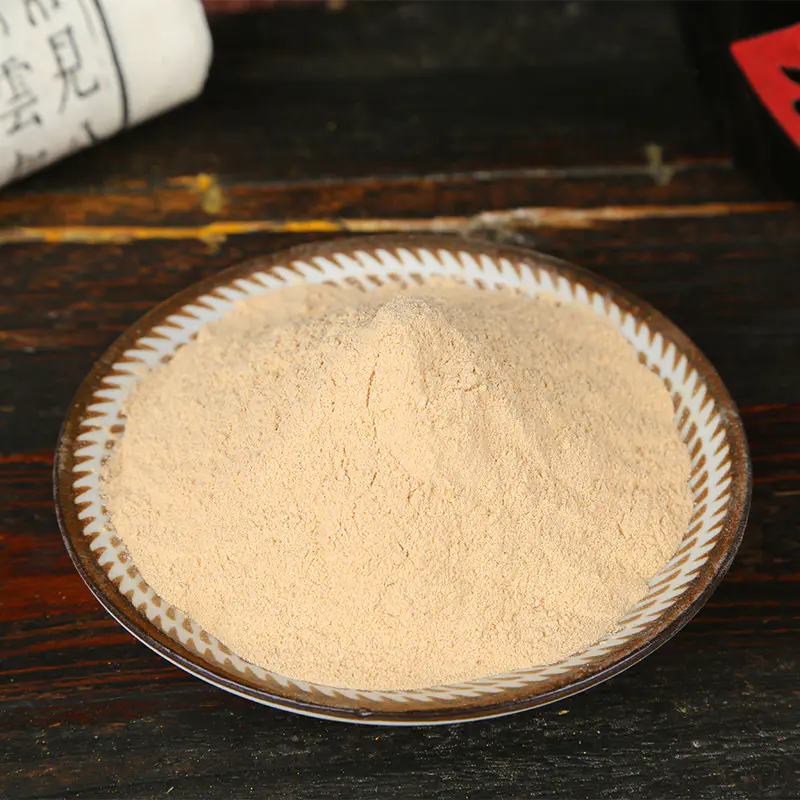
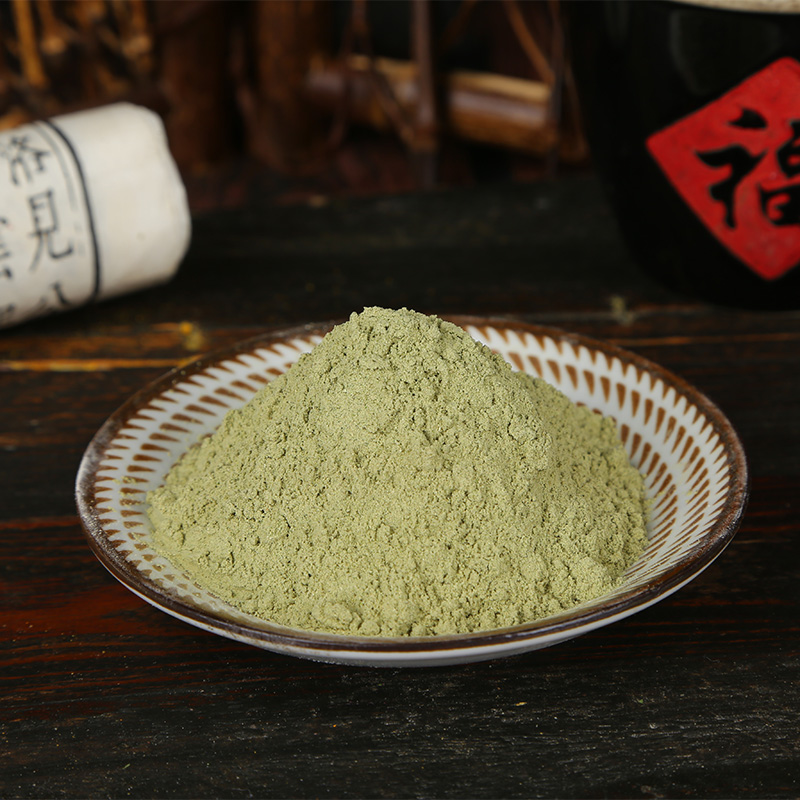
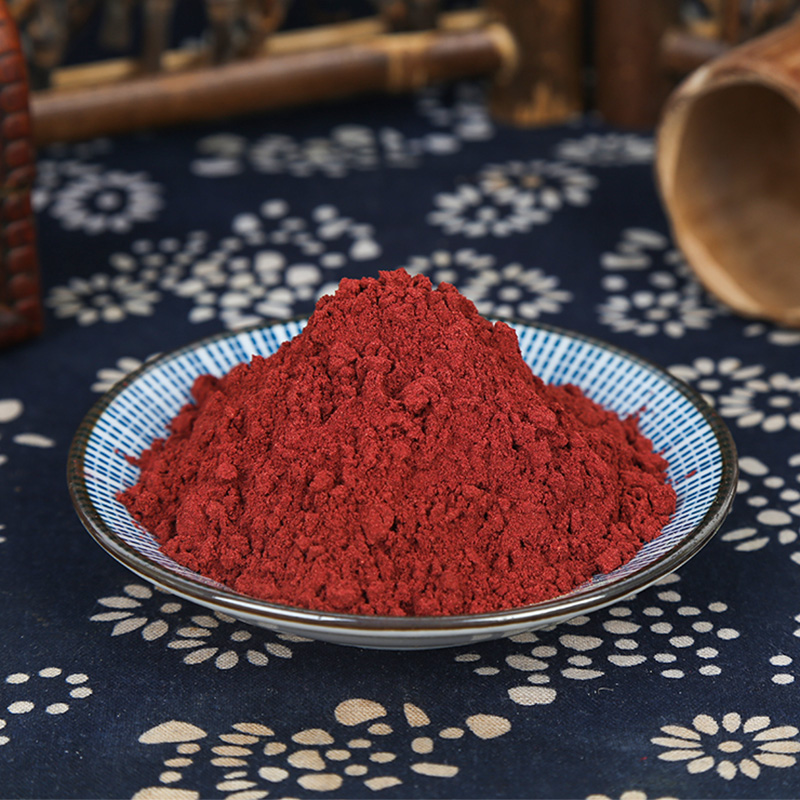
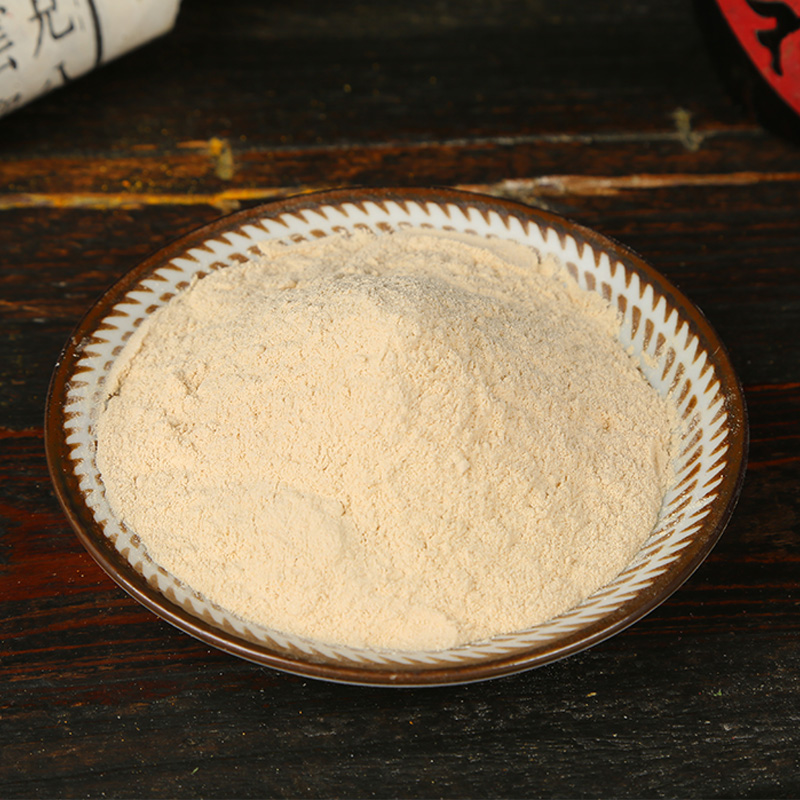
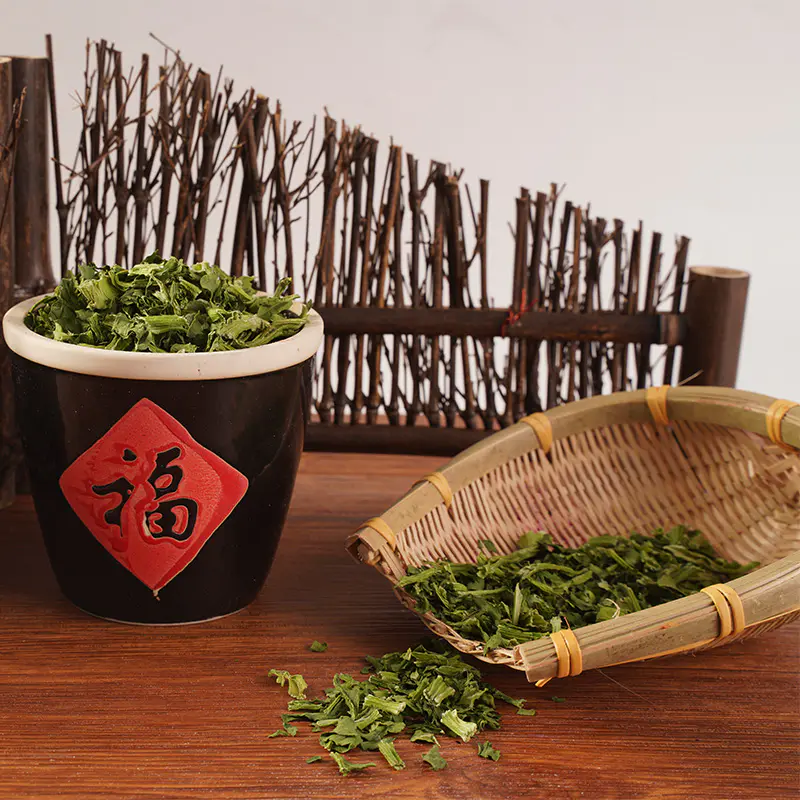
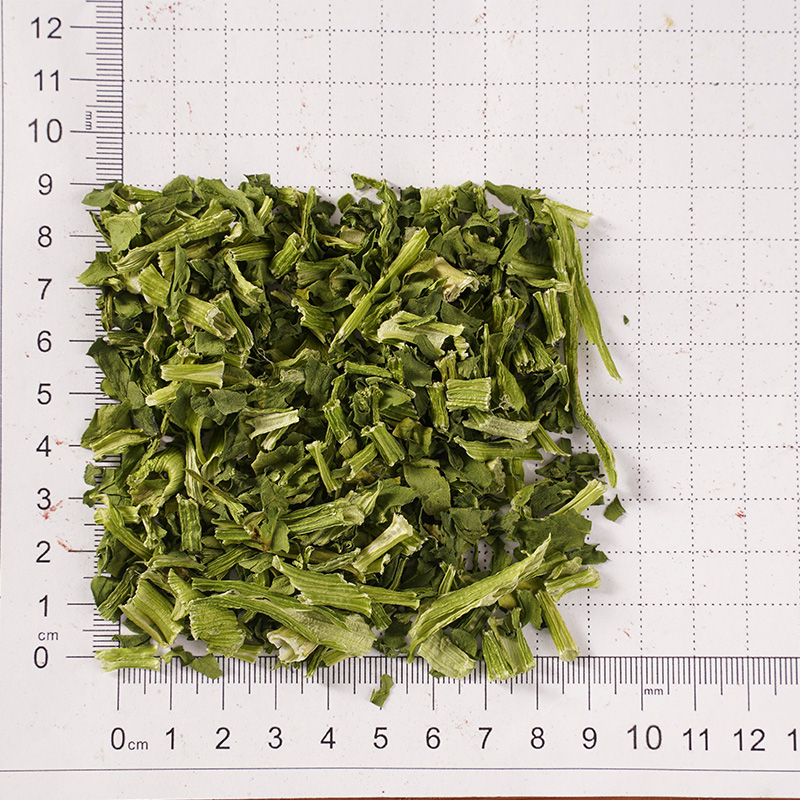
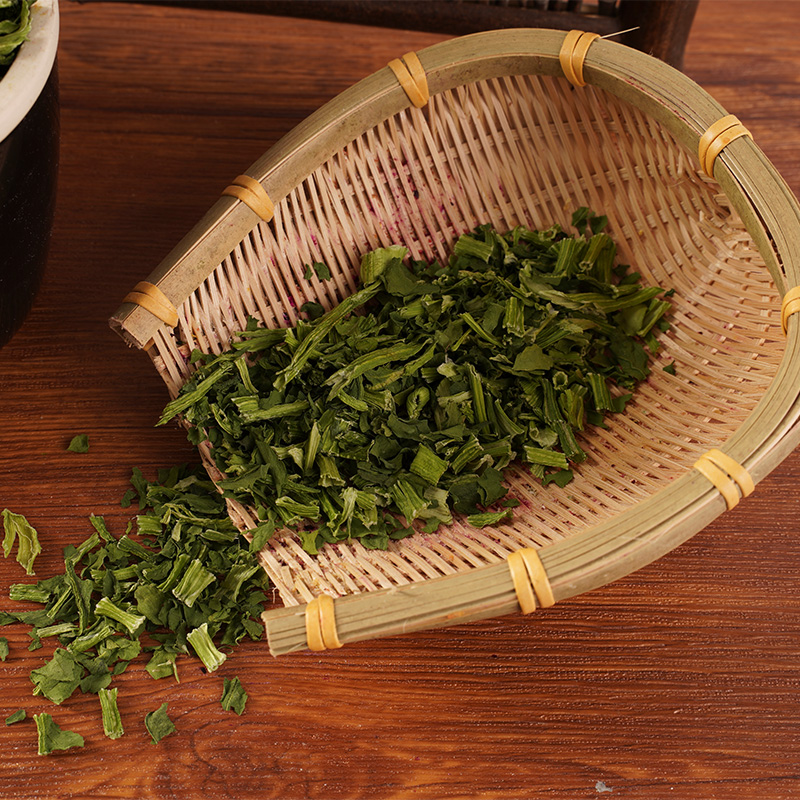
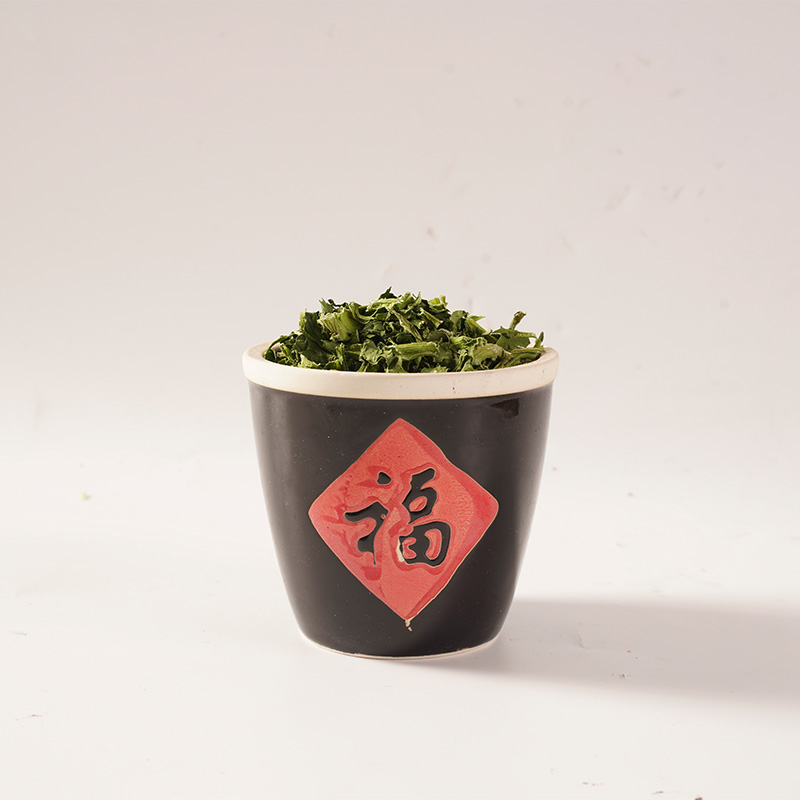
Among the convenient storage and supply solutions for leafy green vegetables, Dehydrated Spinach offers a unique option. Compared to frozen spinach, which requires cold chain transportation and low-temperature storage, dehydrated spinach can be stored long-term at room temperature, significantly reducing warehousing and logistics costs. Unlike some other dehydrated vegetable products that are chopped or blended, dehydrated spinach is typically dried in its whole leaf or large flake form, better preserving its physical structure. Through a gentle dehydration process, most of the vitamins and minerals in spinach are effectively retained. This makes dehydrated spinach a food ingredient that can transcend seasonal limitations and provide nutritional supplementation, particularly suitable for scenarios requiring long-term stockpiling or use in environments where fresh vegetables are not readily available.
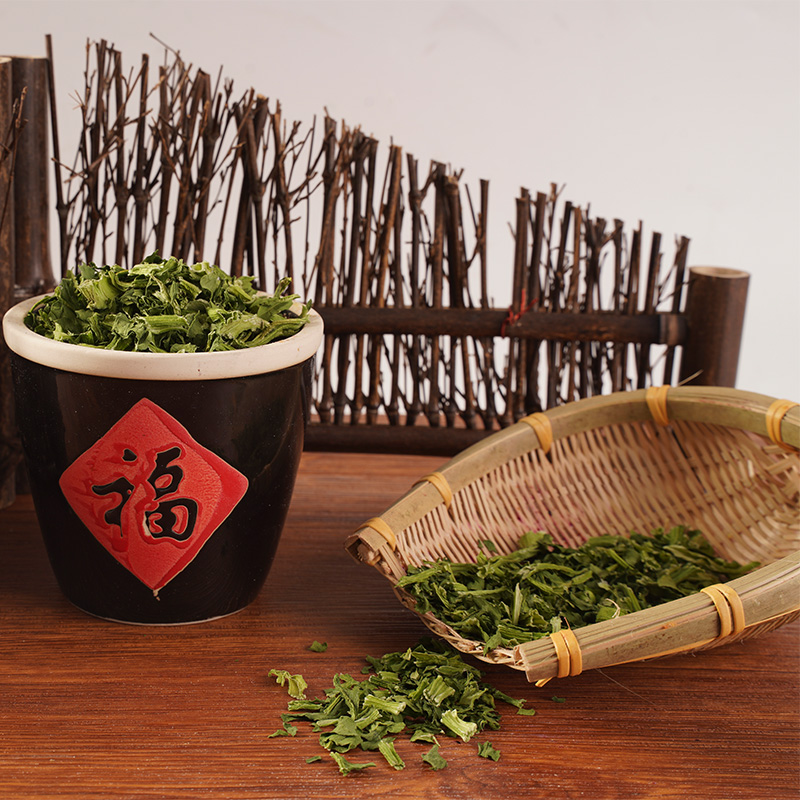
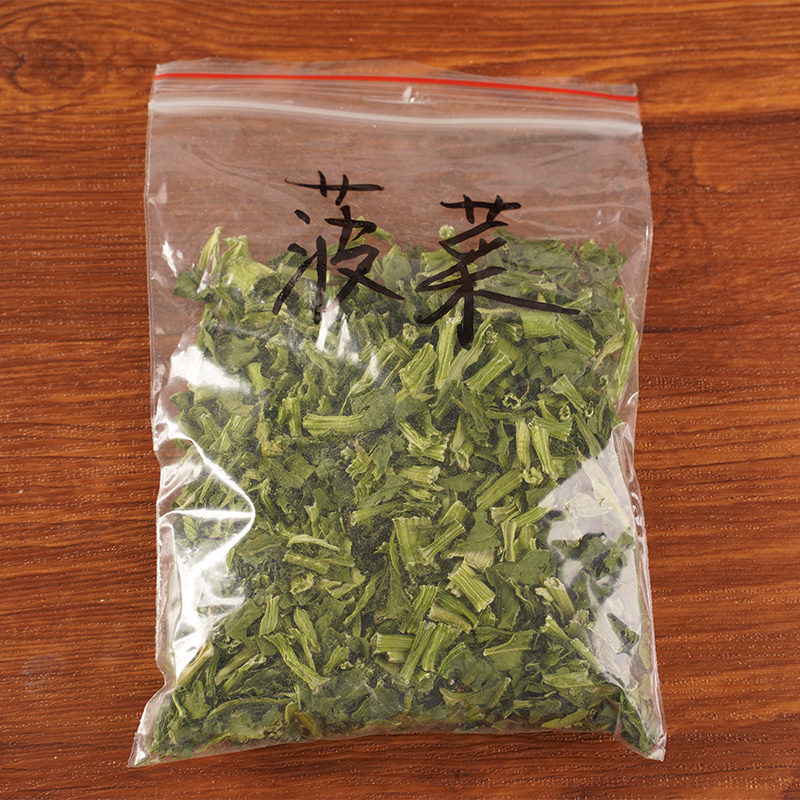
Dehydrated Spinach is a dried product made by removing the vast majority of water from fresh spinach. Its core appeal lies in transforming a perishable fresh vegetable into a stable, shelf-stable form.
Key Attractions and Features:
-
Nutrient Retention: The production process, by controlling dehydration temperature and time, minimizes the loss of vitamins (such as Vitamin A and C) and minerals (such as iron and potassium) in spinach.
-
Storage and Transportation Convenience: The final product is small in volume, light in weight, and dry in texture. It requires no cold chain and can be stored long-term in a cool, dry environment, significantly reducing storage space requirements and logistics complexity.
-
Simplified Pre-use Preparation: Dehydrated spinach has been cleaned and sterilized during production. Consumers or food processors do not need to perform steps like trimming, peeling, or cutting before use, reducing cooking preparation time and labor intensity.
Primary Uses:
After rehydration, dehydrated spinach can be used in various cooking applications. Common uses include as an ingredient in soups, sauces, stews, and fillings. It can also be added to noodles, breakfast cereals, or baked goods to enhance color and nutritional density. It often serves as a base ingredient in instant soup mixes, seasoning powders, and nutritional supplements.
Compared to fresh spinach, dehydrated spinach differs in texture, but its greatest advantages are its extremely long shelf life at room temperature and convenient storage/transport properties. Compared to frozen spinach, dehydrated spinach does not require refrigerator or freezer space, is lighter in weight, and is more suitable for long-distance transport and long-term strategic reserves.
Frequently Asked Questions (FAQ):
-
Q: How is dehydrated spinach consumed?
A: In most cases, dehydrated spinach can be added directly to soups or stews for cooking, where it rehydrates by absorbing the broth. It can also be soaked in warm water for a few minutes to soften before use, then squeezed to remove excess water and used in subsequent cooking as one would use fresh spinach.
-
Q: Is the nutritional value of dehydrated spinach much lower than that of fresh spinach?
A: The dehydration process does lead to some reduction in heat-sensitive nutrients (like Vitamin C). However, most minerals, dietary fiber, and fat-soluble vitamins like Vitamin A are well retained. Overall, it is a nutritionally dense alternative to fresh spinach.
-
Q: How should it be stored after opening?
A: After opening, it is recommended to transfer any unused dehydrated spinach to an airtight container. Store it in a cool, dry, and dark place, and consume it promptly to prevent it from absorbing moisture from the air and becoming damp.
-
Q: Can dehydrated spinach be used to make salads?
A: The texture of rehydrated dehydrated spinach differs from that of fresh spinach. It is generally more suitable for heated dishes and is not recommended for direct use in cold salads.


 English
 русский
 日本語
日本語 한국어
한국어 中文简体
中文简体


![{$v2['title']](/template/en/images/a-icons.png)