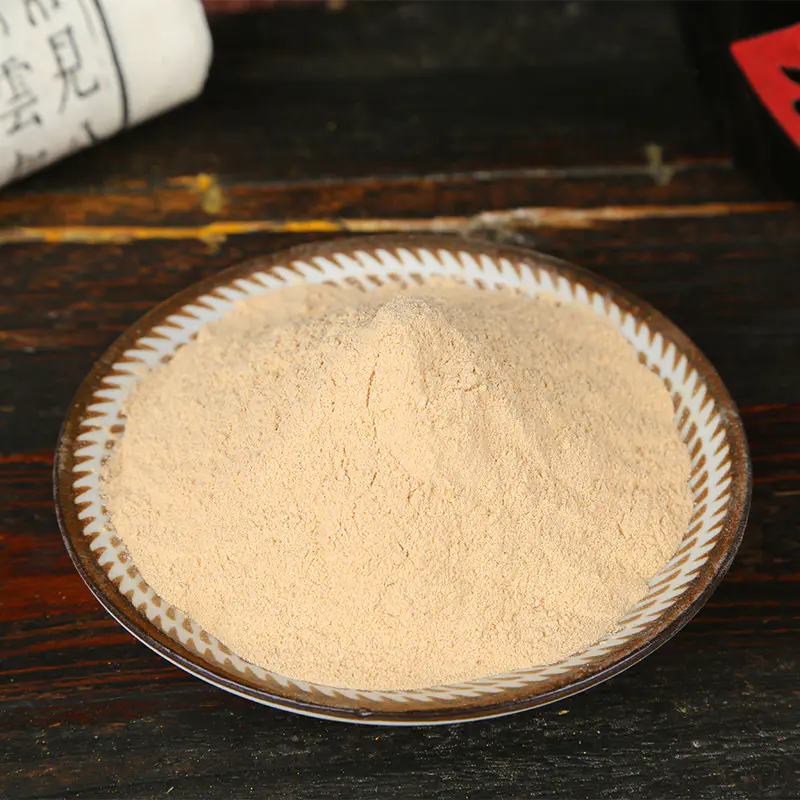
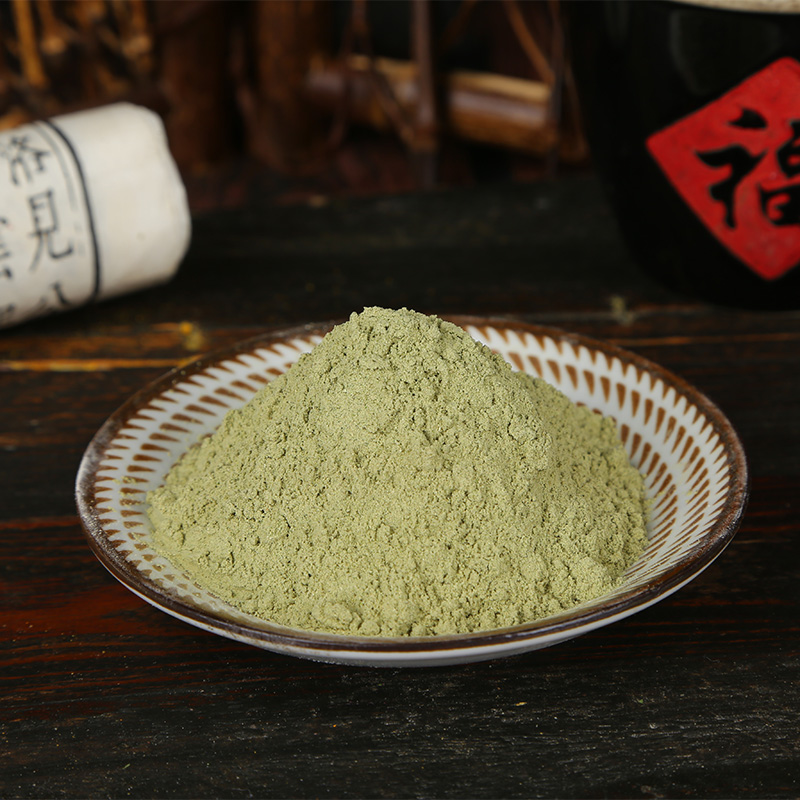
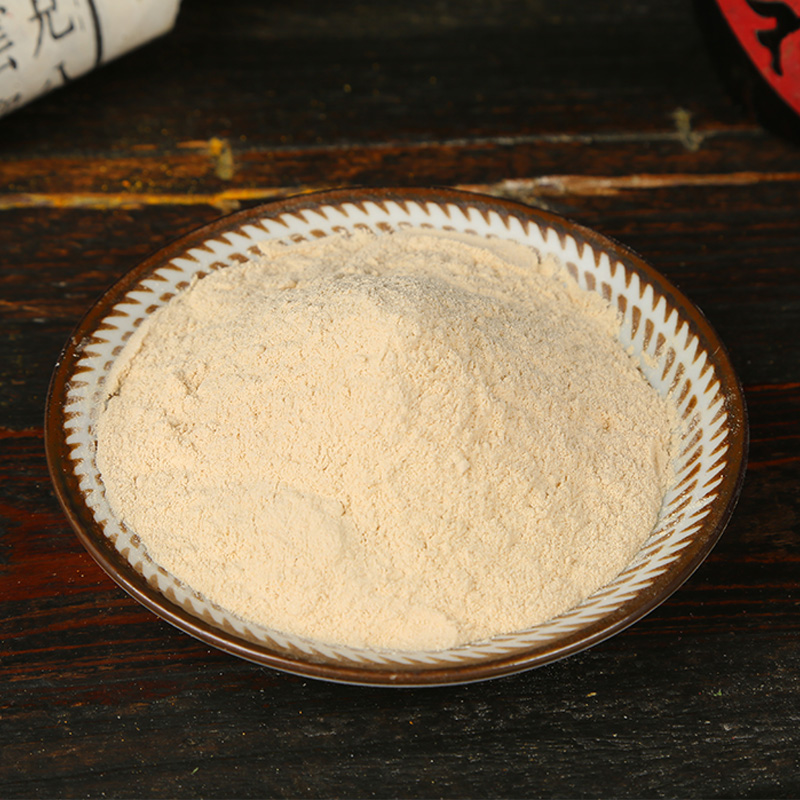
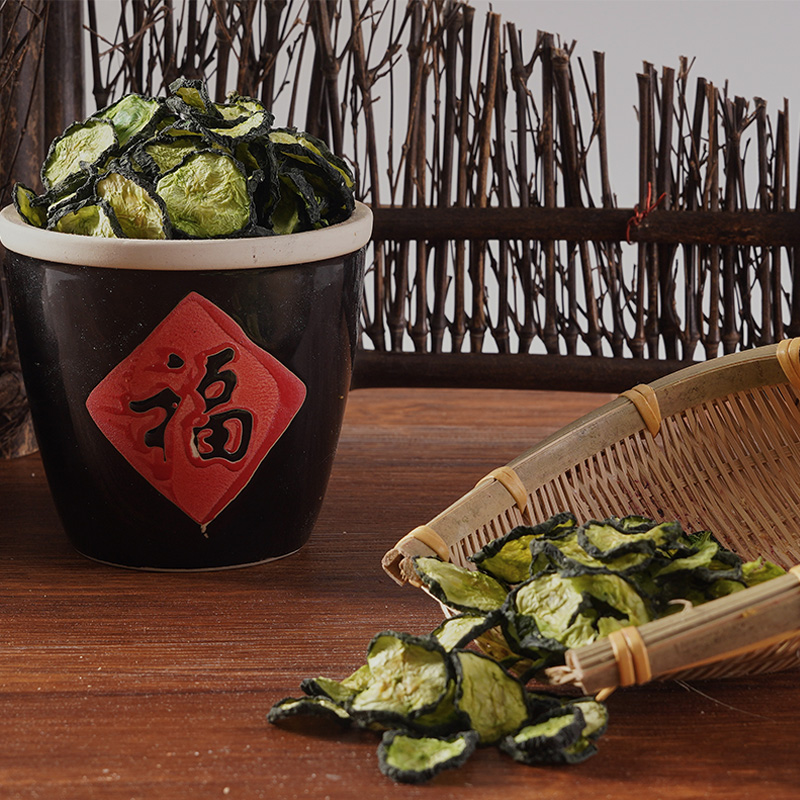
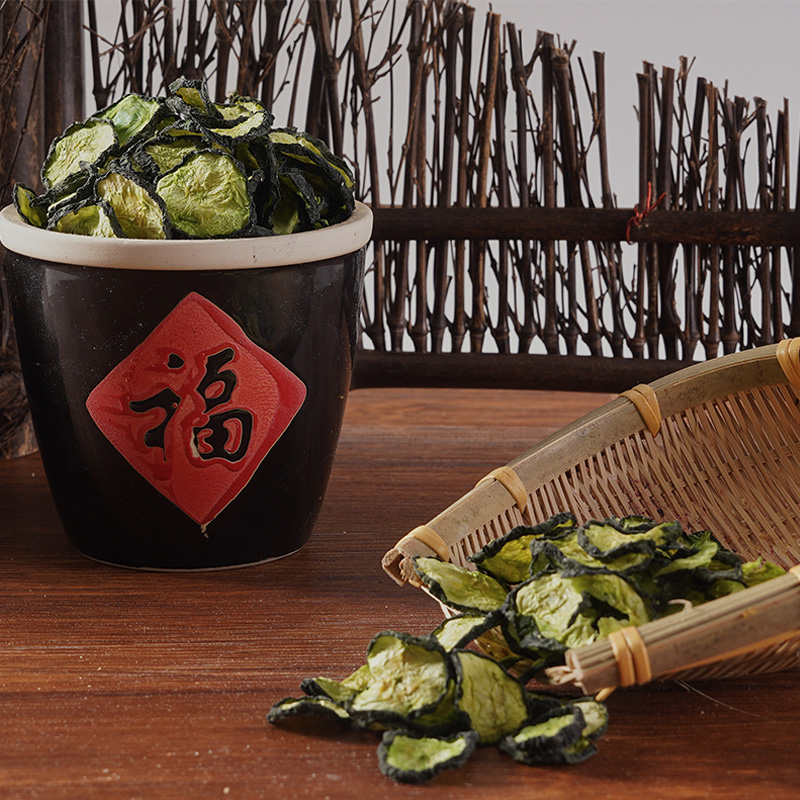
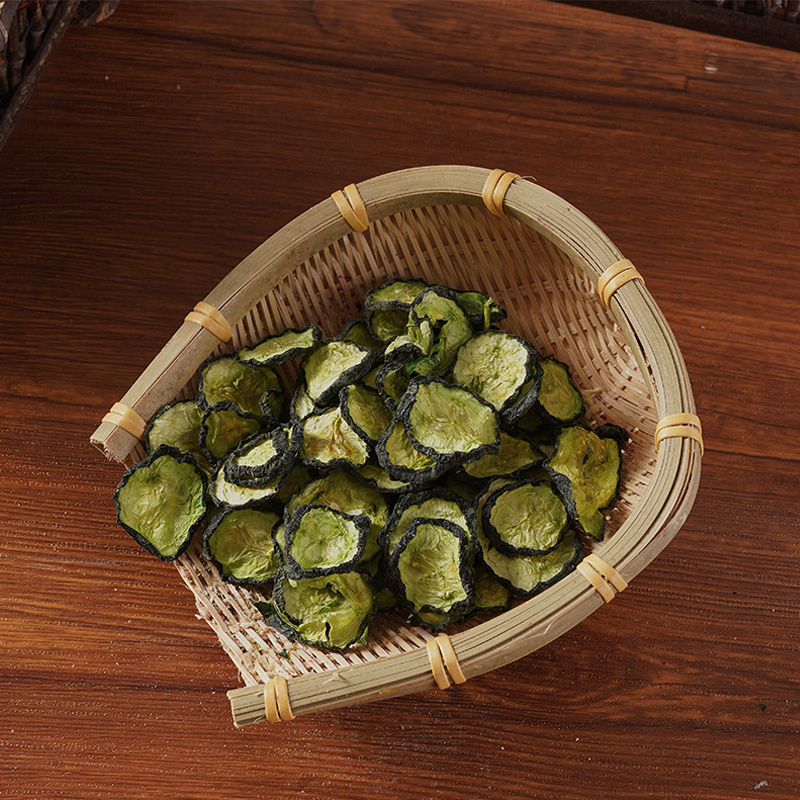
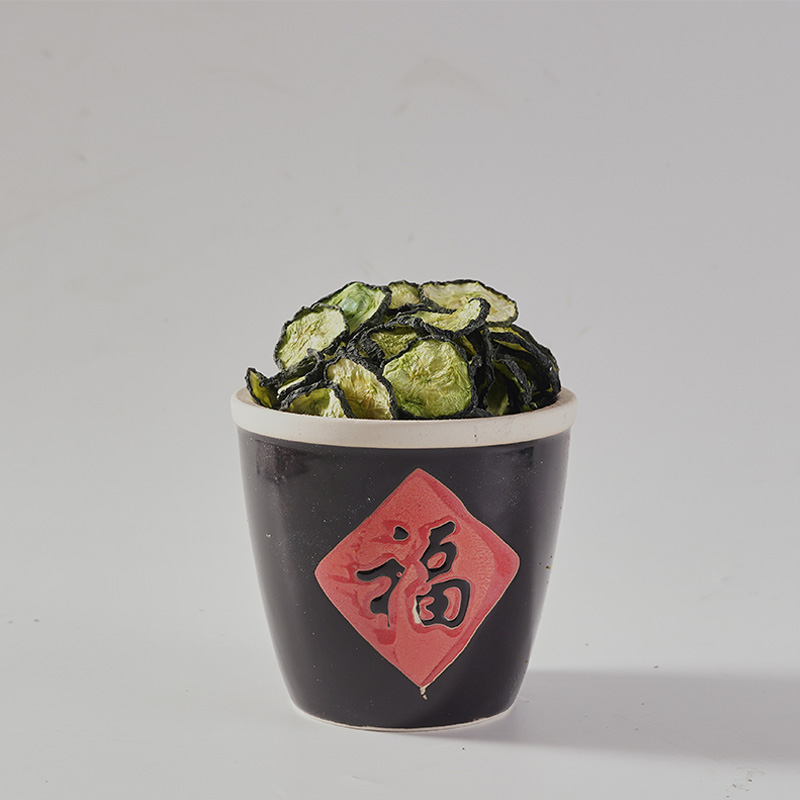
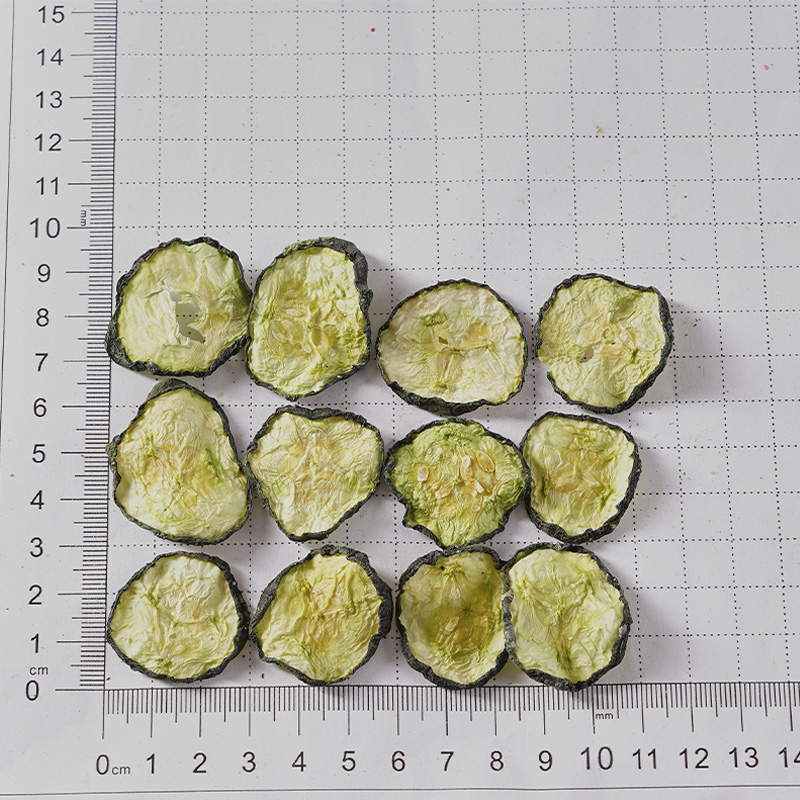
Dehydrated Cucumber is a vegetable product processed through modern dehydration techniques. Compared to similar dehydrated vegetable products, Dehydrated Cucucalyptus focuses on preserving its original variety of natural nutrients during processing, such as vitamin C and vitamin E. As an ingredient, cucumber is widely used in the food processing industry and is commonly found in instant noodle seasoning packets and snack foods. Dehydrated Cucumber not only extends the traditional uses of cucumber but also, due to its concentrated, portable, and long-shelf-life characteristics, meets the demands of modern fast-paced living. With increasing awareness of healthy eating, this product is gradually expanding from an industrial ingredient to daily use in more households and by individuals, offering a convenient option for nutritional supplementation in everyday diets.
-
Key Features:
-
Nutrient Retention: Utilizes dehydration techniques aimed at preserving some of the nutritional components found in cucumbers, including vitamin C, vitamin E, and other natural compounds.
-
Diverse Benefits: Cucumbers themselves contain various components beneficial to health. Therefore, Dehydrated Cucumber products are considered potentially helpful for hydration, assisting in clearing heat, relieving thirst, and may play roles in supporting metabolism, skin health, and maintaining intestinal regularity.
-
Convenient Consumption: Small in volume, lightweight, quick to rehydrate, easy to store and transport. Can be eaten directly or used as an ingredient.
-
Primary Uses:
-
Food Processing: Widely used as an industrial ingredient in prepared foods such as instant meals, soup mixes, snack foods, and seasonings.
-
Home Cooking: Can be used as a quick-add ingredient for soups, porridges, fillings, salads, and stir-fries to enhance texture and nutrition.
-
Outdoor & Emergency: Suitable as a vegetable supplement during outdoor activities like camping and hiking, or for emergency food reserves.
-
Healthy Diet Integration: Suitable for individuals and families focused on daily nutritional balance and seeking convenient, healthy food ingredients.
Comparative Information
| Feature |
Dehydrated Cucumber |
Common Fresh Cucumber |
| Shelf Life |
Long, can be stored for extended periods under dry conditions |
Short, prone to wilting or rotting |
| Portability |
High, significantly reduced volume and weight |
Low, bulky and high in water content |
| Convenience |
Requires rehydration or can be added directly as a dry ingredient; not season-dependent |
Requires washing, can be eaten directly; subject to seasonal and regional availability |
| Nutritional Content |
Retains some concentrated nutrients and dietary fiber; some water-soluble vitamins (e.g., vitamin C) may be reduced during processing |
Retains all natural moisture and full vitamin profile; typically higher in fresh vitamin C content |
| Primary Use Cases |
Industrial food ingredient, household staple dried vegetable, outdoor travel, emergency reserves |
Daily fresh cooking, raw consumption, salads, topical beauty applications |
Frequently Asked Questions (FAQ)
-
Q: How is Dehydrated Cucumber consumed?
A: It can be added directly to soups, porridges, or noodle dishes during cooking, allowing it to rehydrate and soften in the liquid. It can also be soaked in warm water for a period beforehand to regain some softness for use in cold dishes or stir-fries.
-
Q: Are all nutrients lost during the dehydration process?
A: The dehydration process may reduce some heat-sensitive water-soluble vitamins (like vitamin C), but other nutrients such as dietary fiber, minerals, and some vitamins (like vitamin E) are concentrated and retained. It serves as a convenient form to supplement vegetable intake.
-
Q: How should Dehydrated Cucumber be stored?
A: It should be stored sealed in a cool, dry, and dark place. After opening, it should be used promptly with care to prevent moisture absorption, which could lead to spoilage.
-
Q: Is it suitable for everyone?
A: As a general food ingredient, Dehydrated Cucumber is suitable for most people. However, individuals with specific dietary restrictions or medical conditions are advised to choose based on their personal situation or under the guidance of a professional.
-
Q: Can it completely replace fresh cucumbers?
A: It cannot completely replace fresh cucumbers. They differ in texture, moisture content, and levels of certain vitamins. Fresh cucumbers are more suitable for raw consumption and obtaining ample hydration, while Dehydrated Cucumber offers advantages in convenience, storage, and use as a flavoring ingredient. They can be complementary.


 English
 русский
 日本語
日本語 한국어
한국어 中文简体
中文简体


![{$v2['title']](/template/en/images/a-icons.png)